Stories
From the classrooms, the campus and the people who built it.
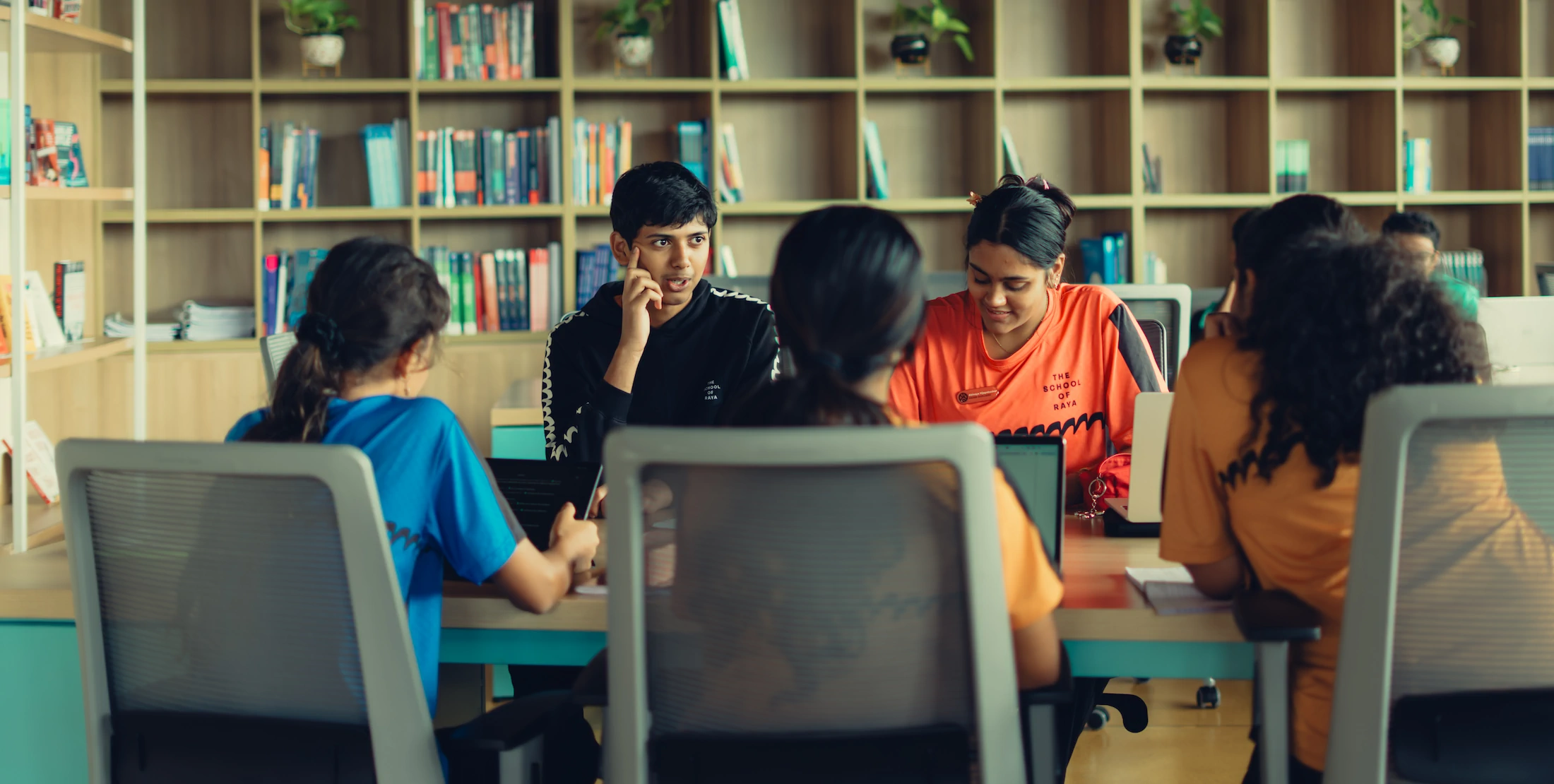
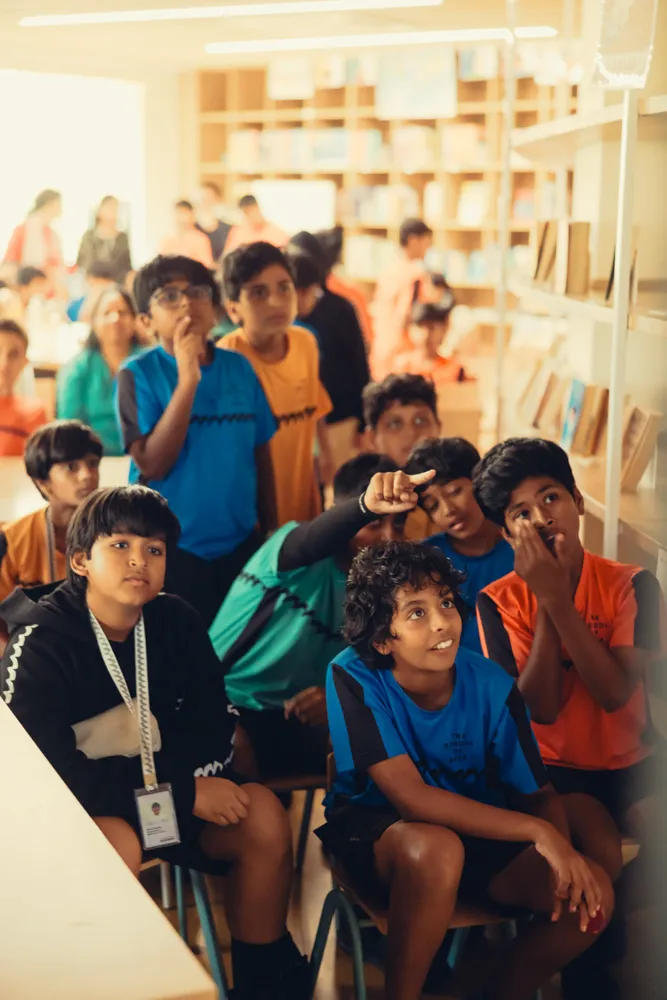
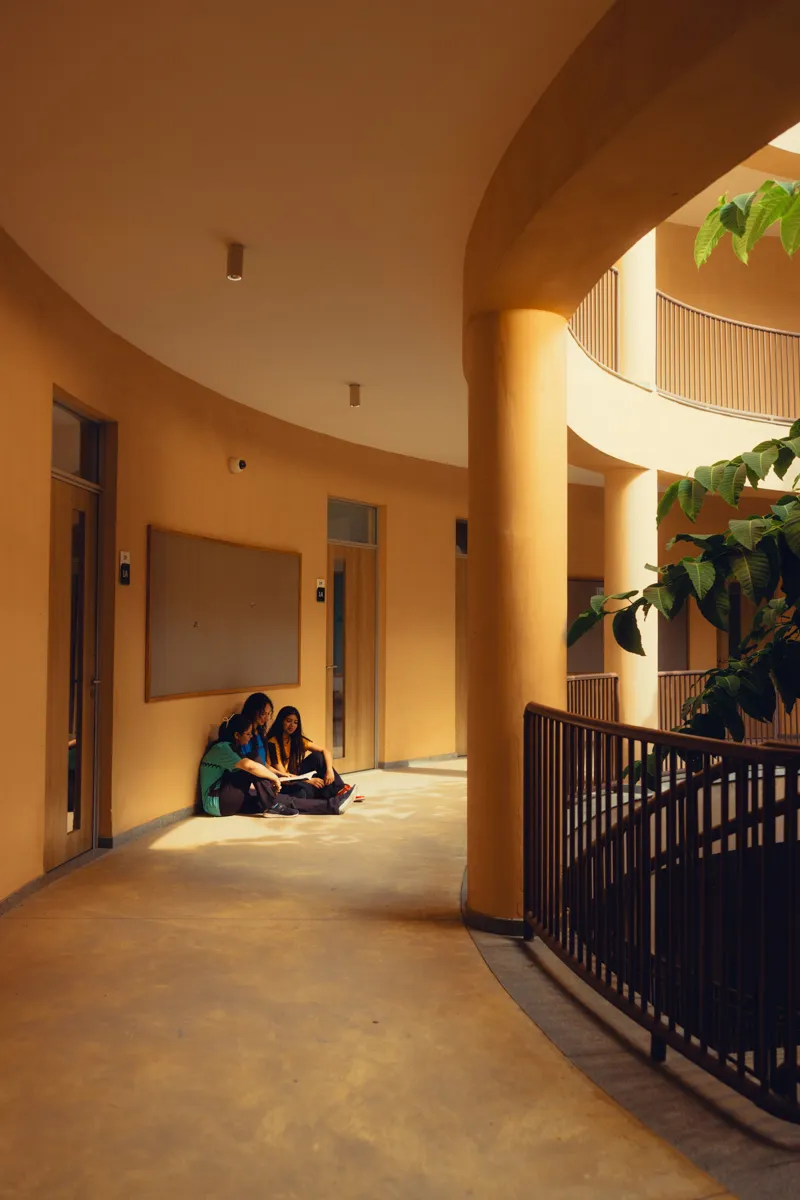
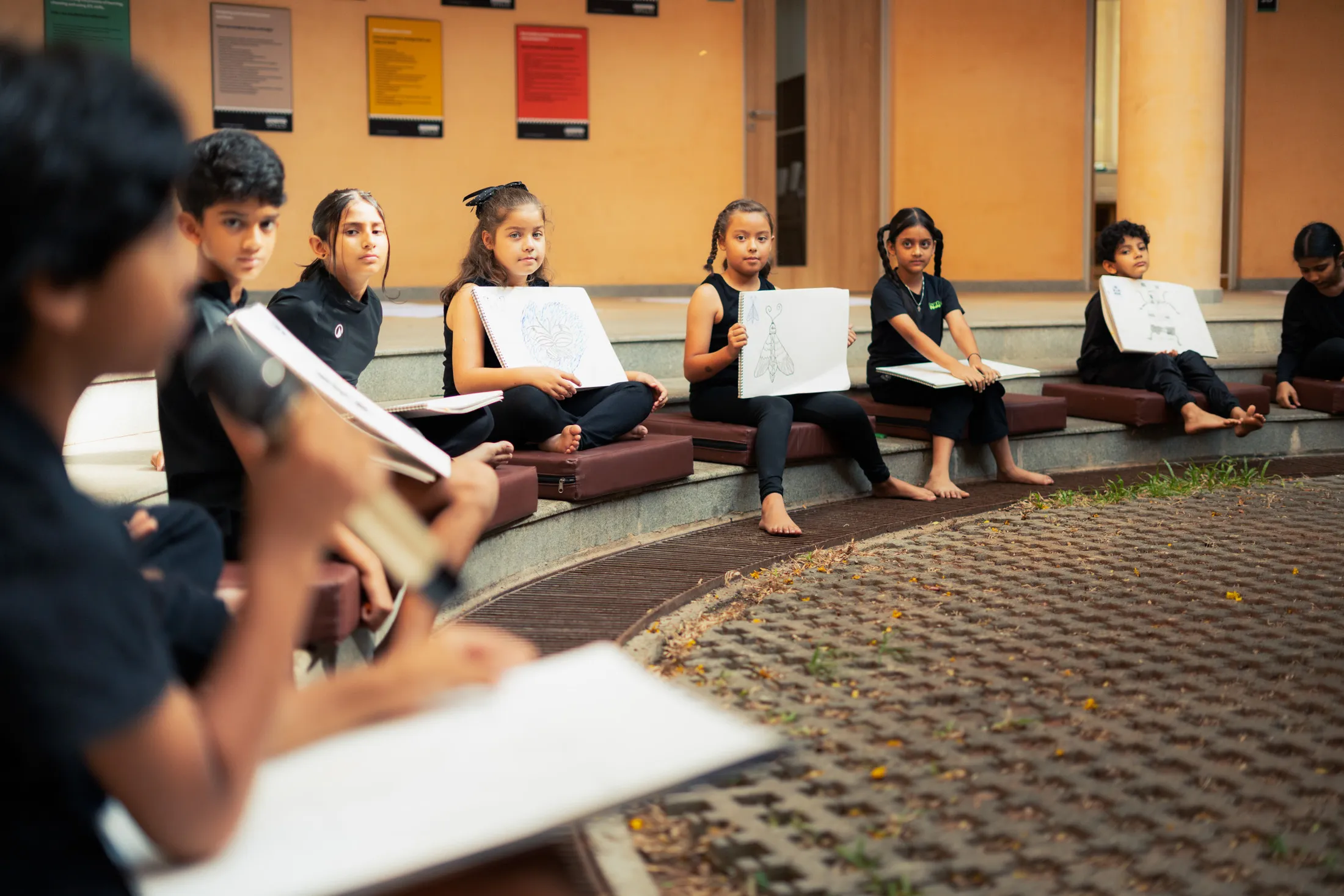
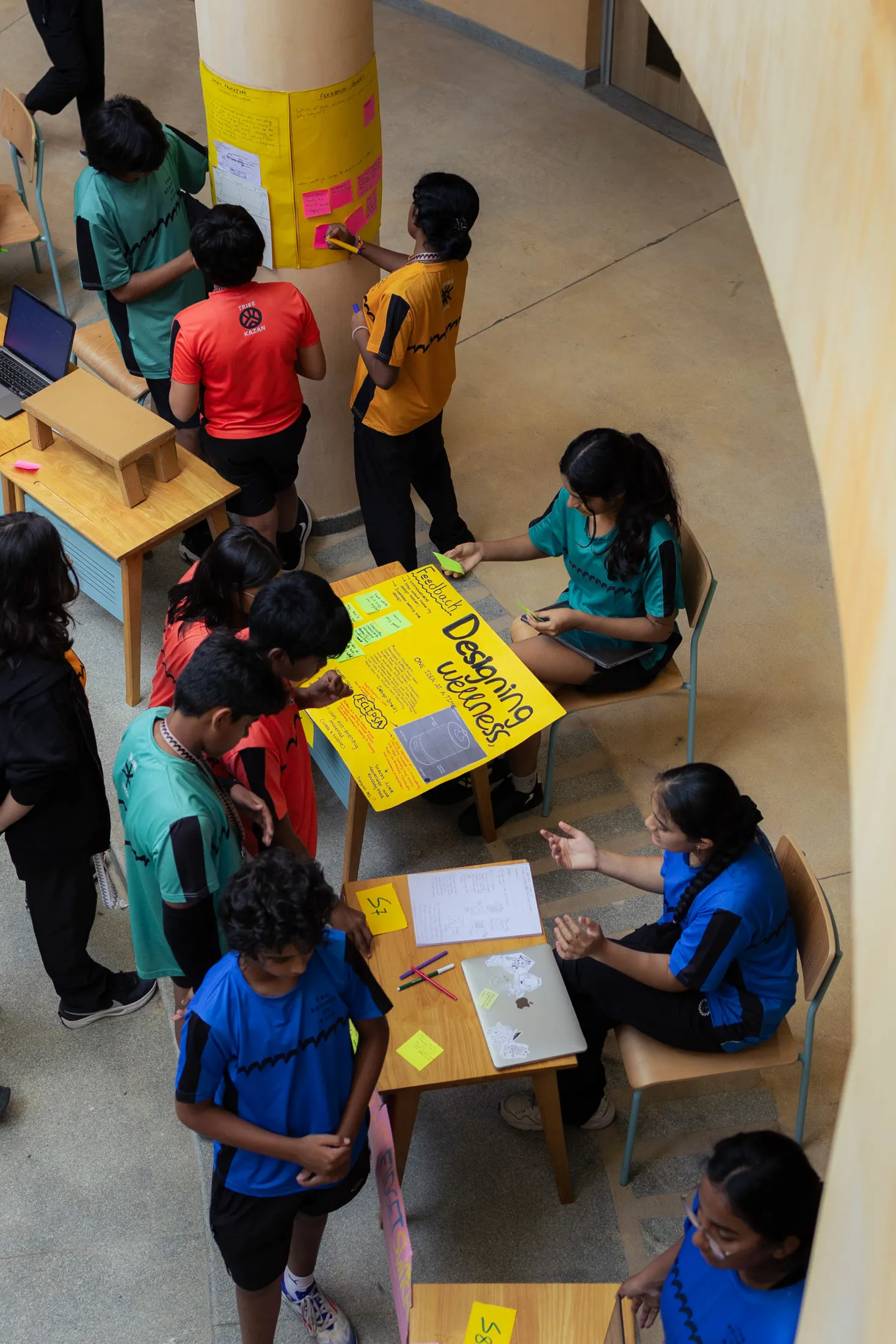
The Future is Interdisciplinary
The world no longer asks for answers that fit neatly into boxes. It asks for people who can sit with complexity, notice patterns, and move comfortably between logic and imagination. Today’s challenges — climate change, mental health, technology ethics, food security — don’t belong to one subject. They belong to everyone.
At The School of Raya, we believe that interdisciplinary learning is not a trend. It is a necessity.
When Art Meets Science
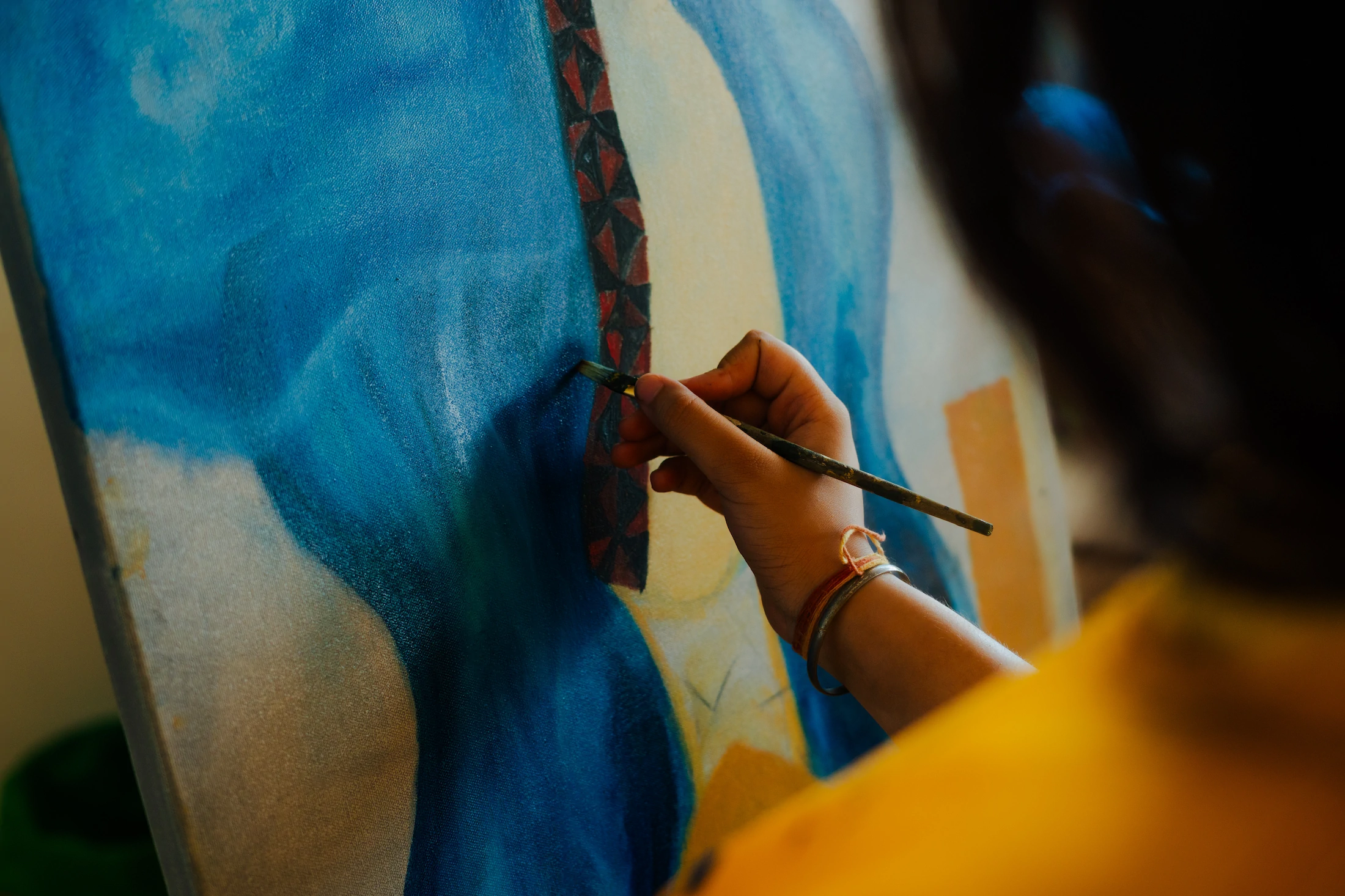
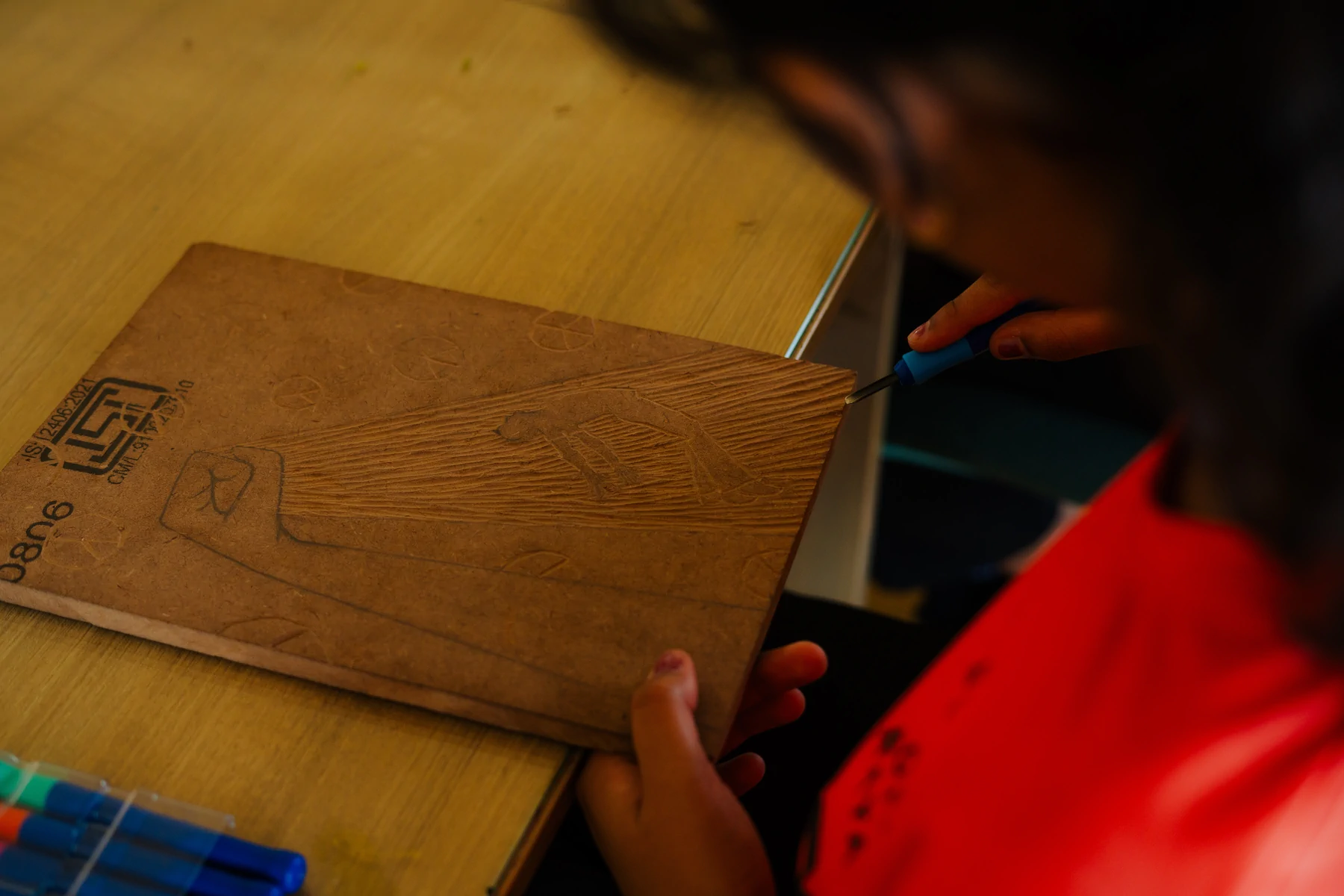
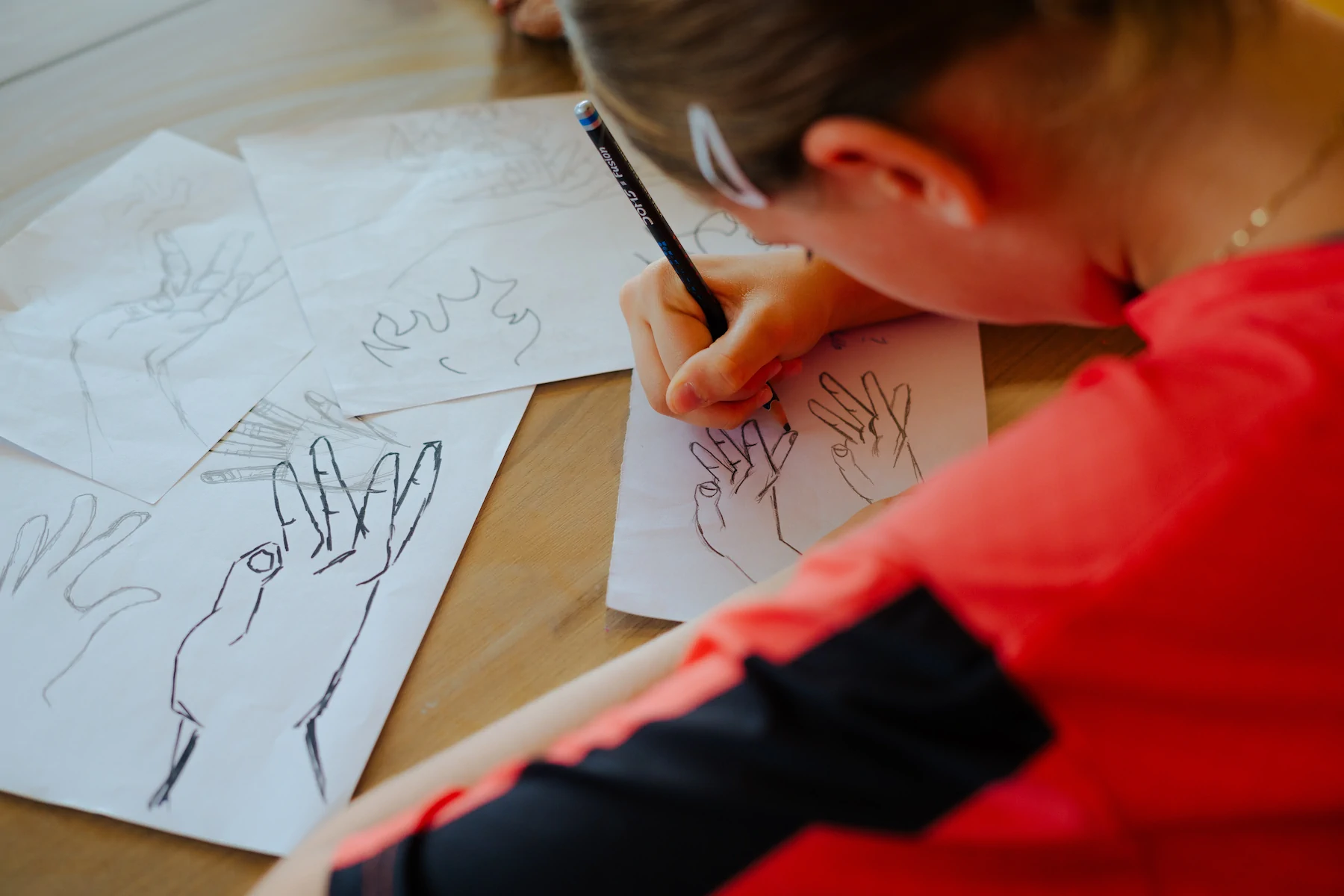
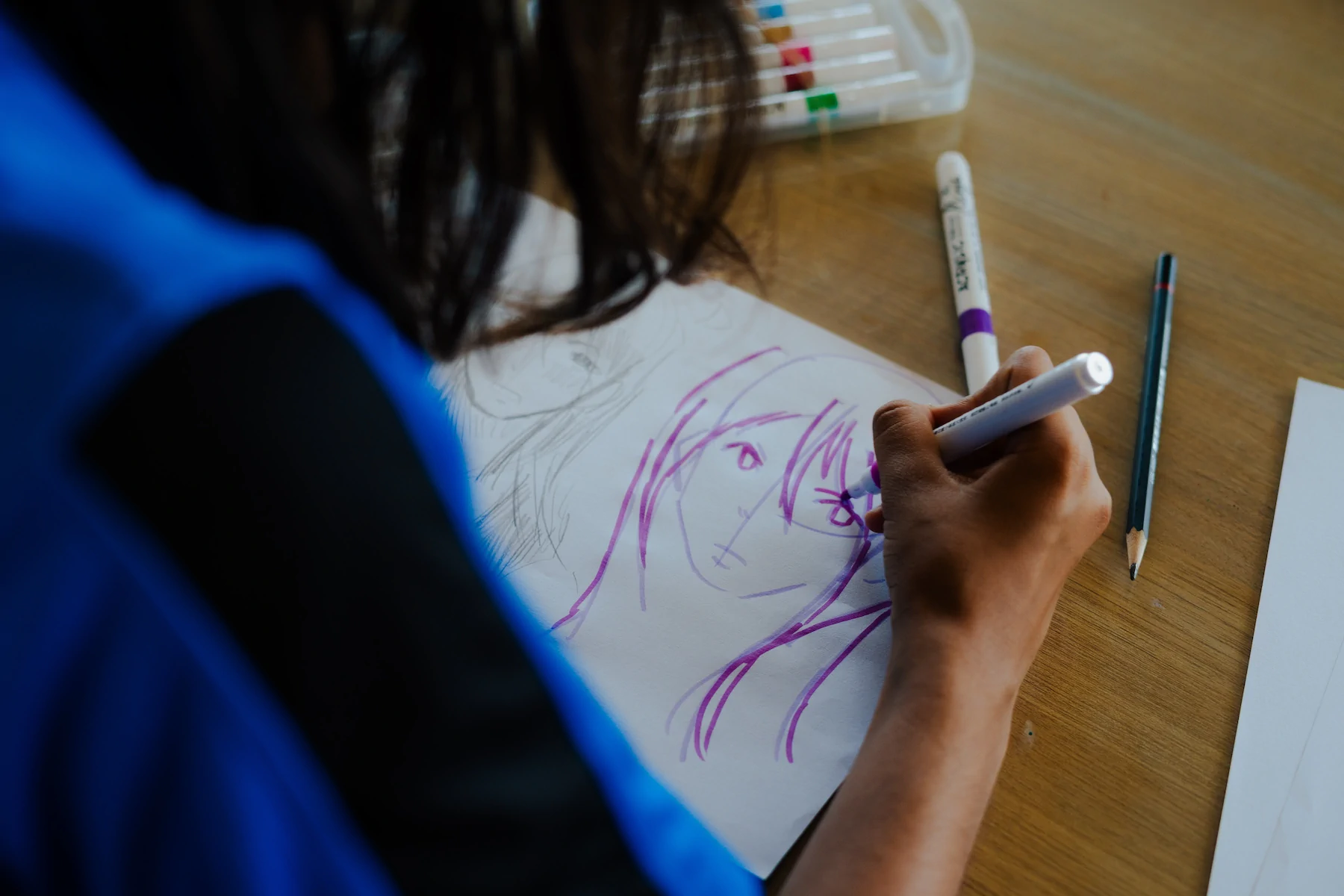
In our Visual Arts classroom, students don’t just paint or sketch. They investigate. A recent unit had students exploring bioluminescence — the science of light produced by living organisms. What began as a biology concept became a design challenge: How do you represent invisible light? How do you make people feel wonder?
Students researched the chemistry, sketched organisms under microscopes, and created large-format paintings that captured both scientific accuracy and emotional resonance. The result was work that neither a pure science class nor a pure art class could have produced alone.
Curiosity as a Connector
Interdisciplinary learning works because curiosity doesn’t respect subject boundaries. When a student asks why van Gogh painted the way he did, the answer pulls in neuroscience, history, mental health, and colour theory. When they ask how music affects mood, they’re touching psychology, physics, and culture simultaneously.
We lean into those moments. We follow the question wherever it leads.
What This Builds in Students
Students who learn across disciplines develop the ability to transfer knowledge — to take a concept from one domain and apply it meaningfully in another. They become comfortable with ambiguity. They learn that not knowing is the beginning of inquiry, not a failure.
They also develop empathy. When you study a problem from multiple perspectives — historical, scientific, artistic, ethical — you begin to understand that most real issues are genuinely complex. That understanding changes how you engage with the world.
The future belongs to people who can think across boundaries. We are building those people, one question at a time.
The Energy of Math Talk: What Happens When Students Are Free to Share
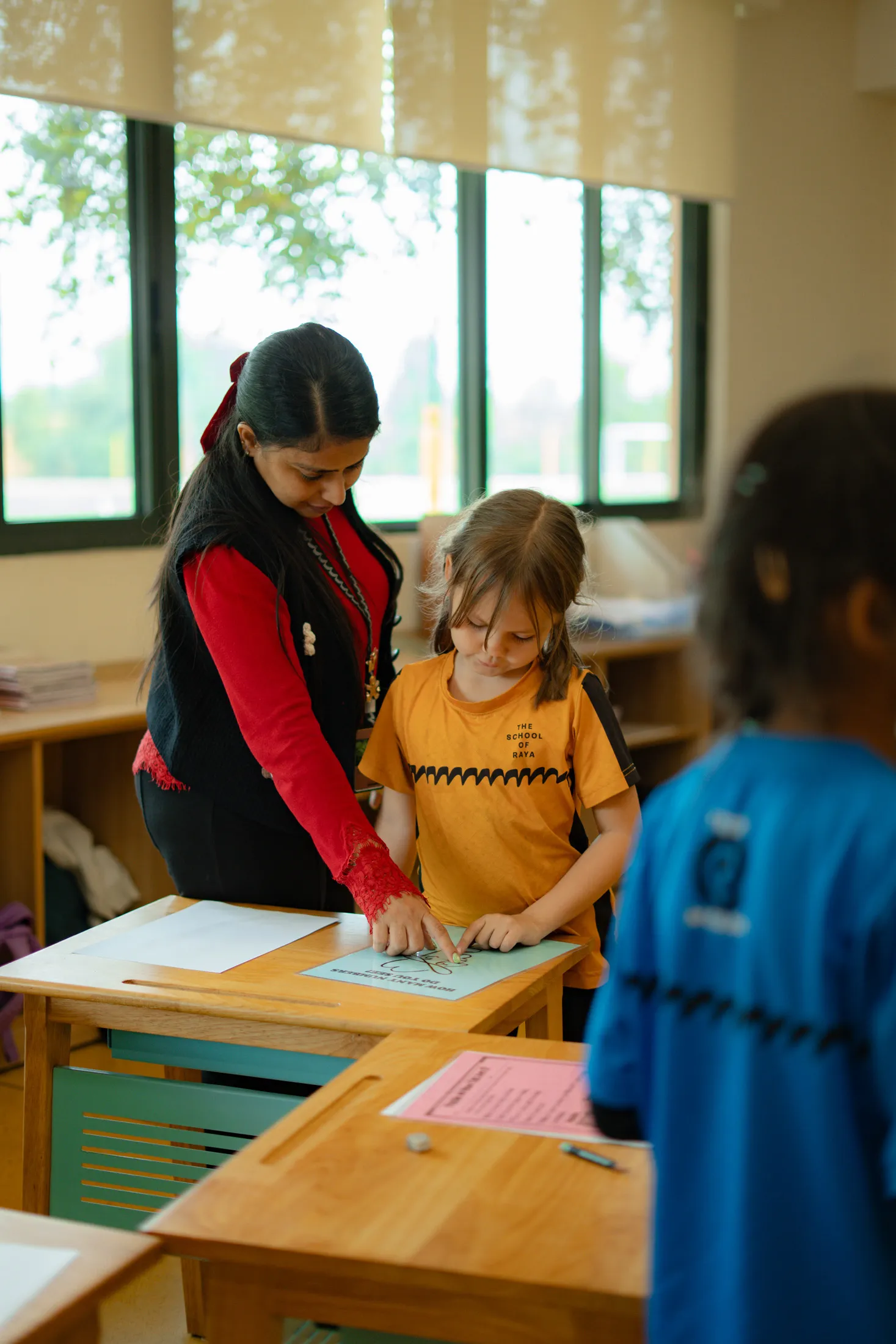
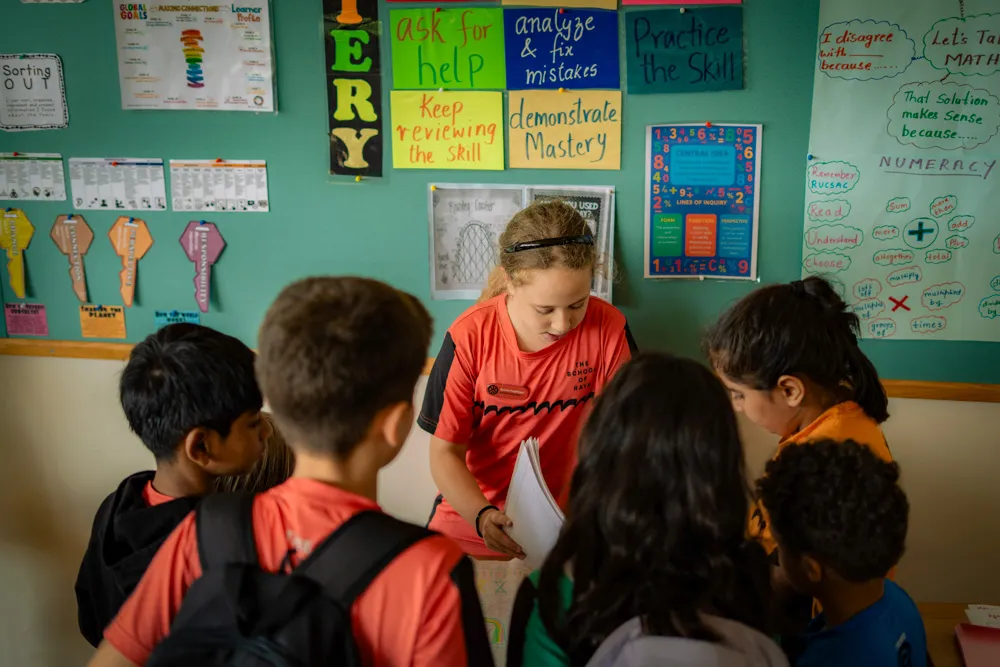
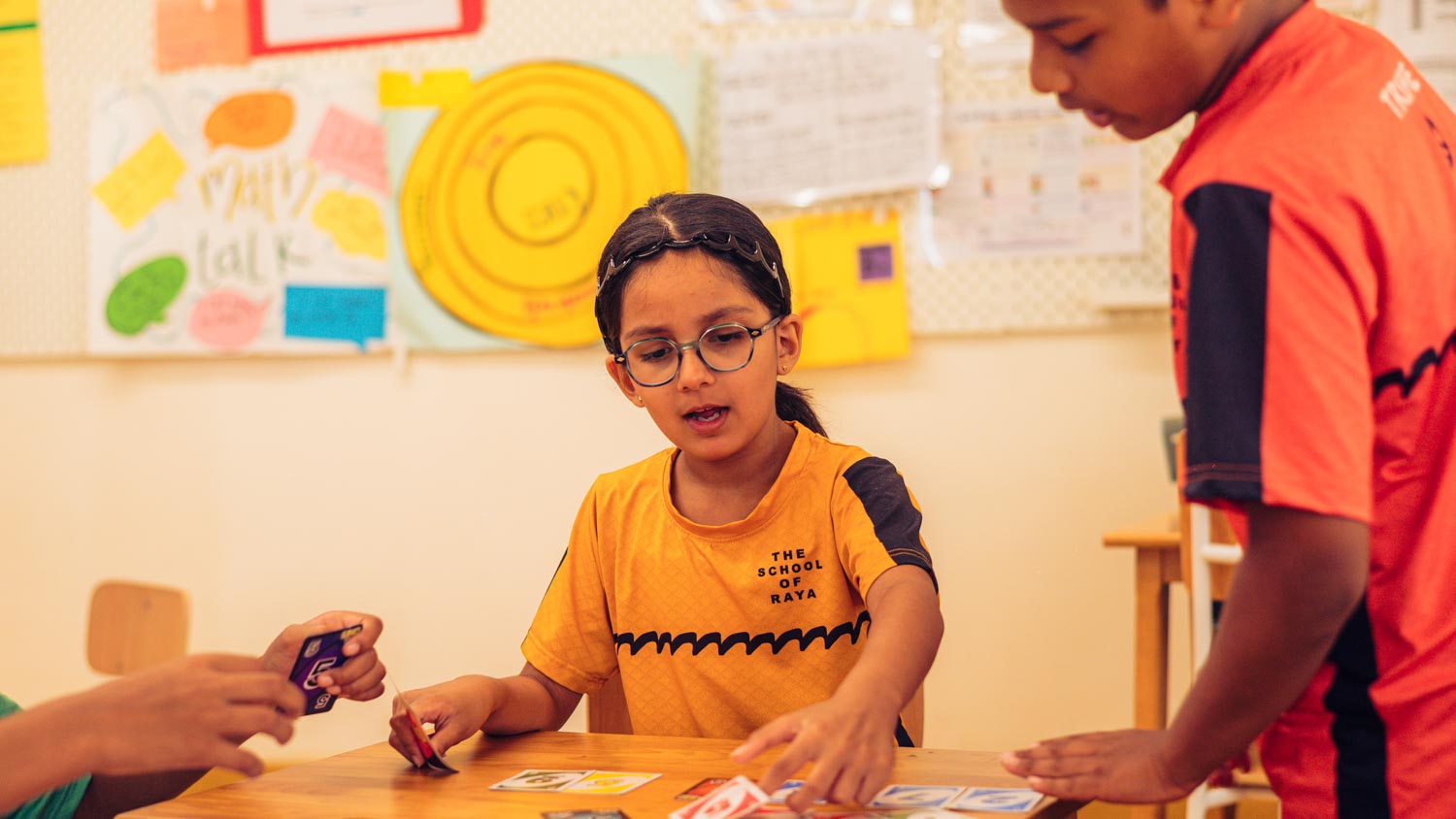
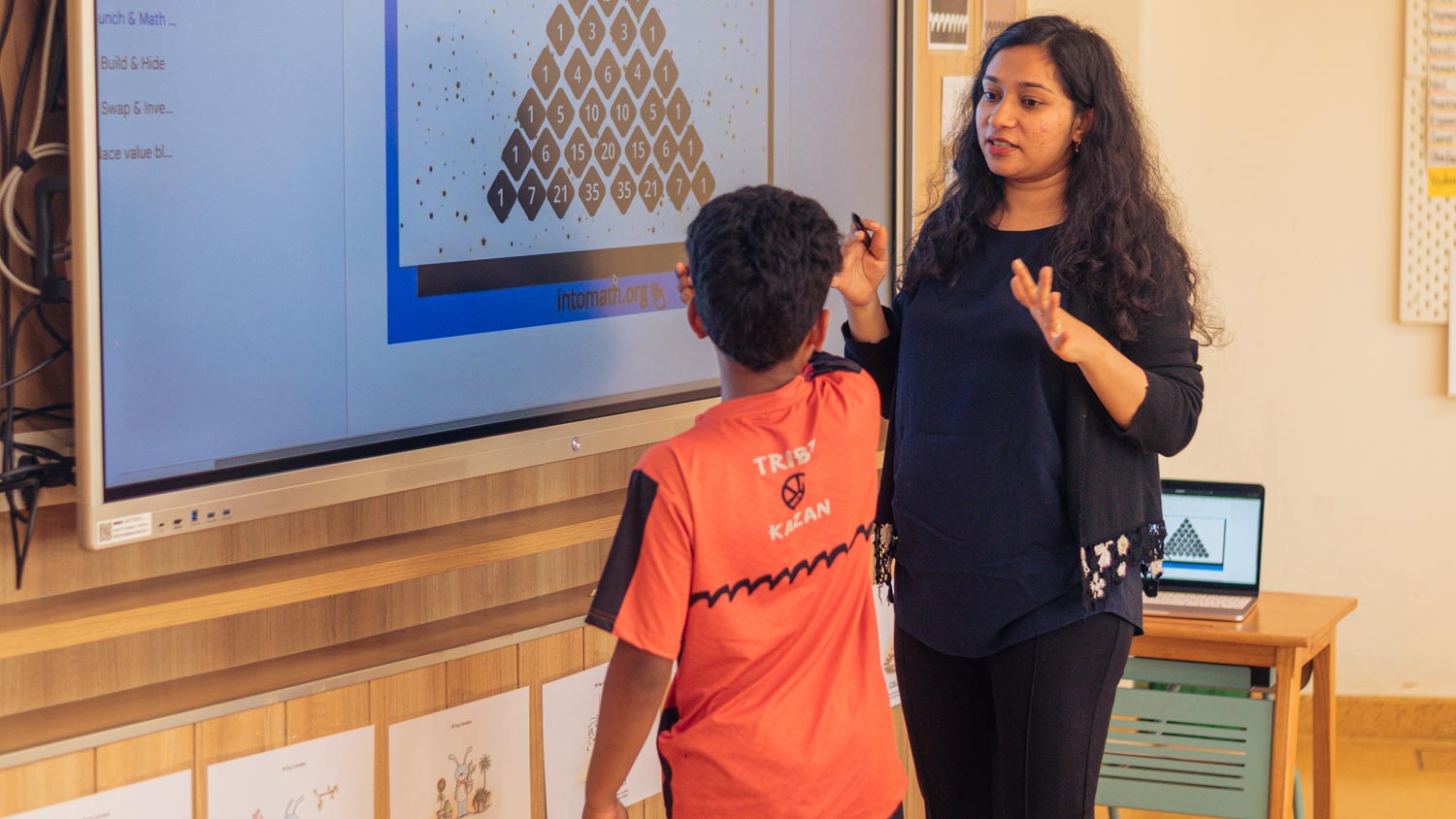
There is a particular kind of energy in a classroom when every student wants to speak. Not because they know the "right" answer — but because they simply want to share what they see. That was the shift I witnessed in our Grade 2 math talk sessions last year, and it changed how I
understood what a math classroom could feel like.
Looking back at where this began last year, our sessions looked very different. Students were eager to arrive at answers but hesitant when asked how or why — their thinking stayed internal, shared only in fragments. That observation pushed us to rethink our approach, drawing on Mathematical Mindsets by Jo Boaler and its emphasis on visual thinking, discussion, and a growth mindset. The real shift began with one small change: asking "what do you see?" instead of "what is the answer?"
Where It Started: Just Saying What You See
In the beginning, students' responses were plain observations — no reasoning attached, just noticing. We'd show them a simple image, like dots arranged in a pattern using a tens frame, and ask only: what do you see? The answers came in fragments: "I see groups of 5." That was enough. Because there was no concept of a wrong answer at this stage, every hand went up. Students who normally stayed quiet were suddenly eager to share, because sharing what you see carries no risk.
Giving Them the Words to Talk
Math talk was intentionally built. We co-constructed simple agreements together: we listen to understand, we build on each other's ideas, we ask questions, we explain our thinking. Alongside that, we introduced mathematical vocabulary on purpose — words like groups, equal, combine, difference, partition, strategy, compare, justify — so students had the language to make their thinking precise, not just enthusiastic. We also leaned on thinking routines from Harvard's Project Zero — Think-Pair-Share, What Makes You Say That, See-Think-Wonder, Think-Puzzle-Explore, Claim and Support — to give structure to conversations that could otherwise stay vague.
From Noticing to Reasoning to Listening
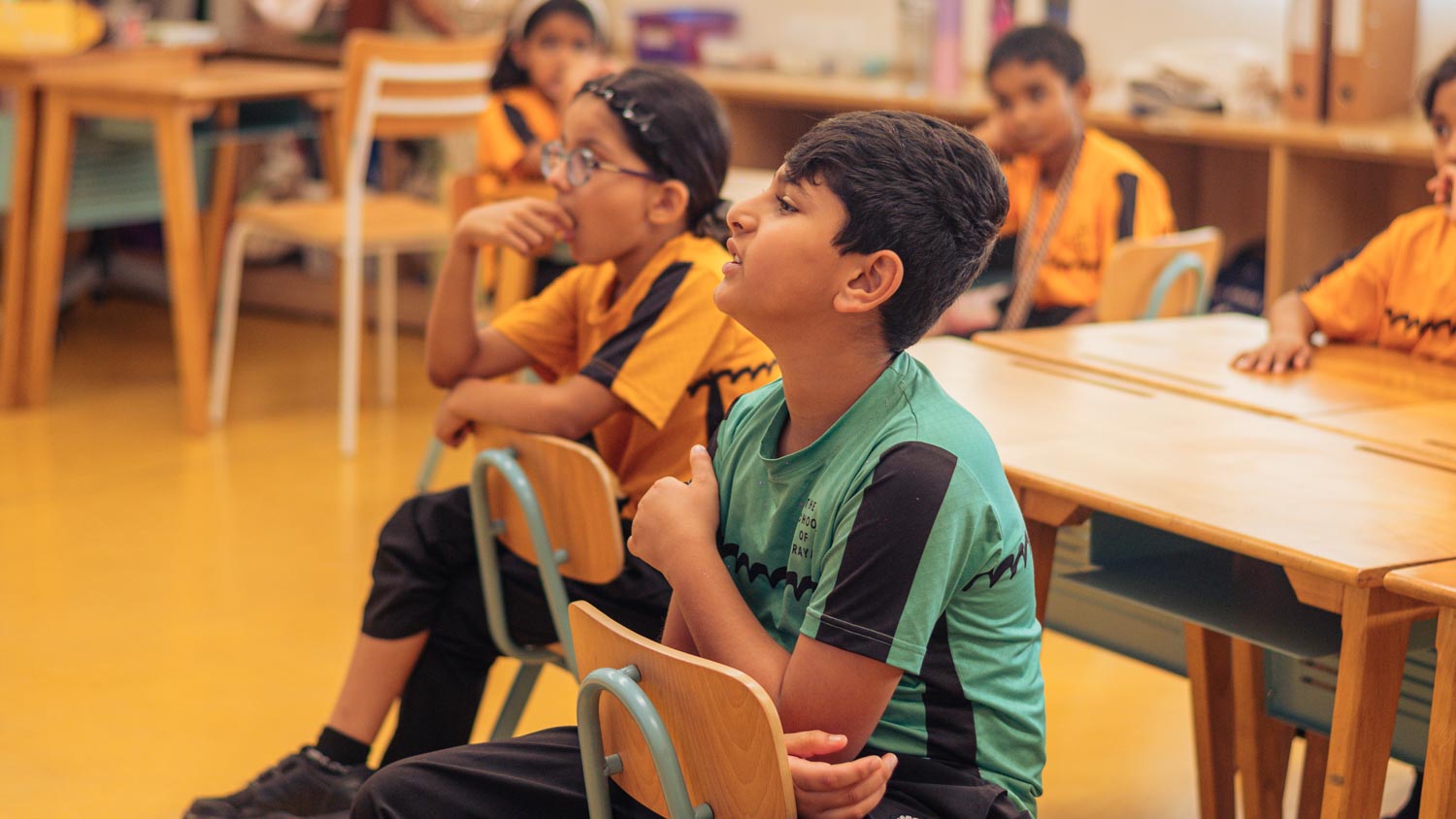
Slowly, something shifted — students stopped stopping at what they saw and began explaining why it made sense. "I think there are 20 because I counted by 5s." "I saw 10 and 10, so I added them." One student put it best: "I didn't count one by one. I saw 4 groups of 5, and I know 4 × 5 is 20." At the same time, they started listening to each other rather than just waiting for their turn. Conversation starters gave them the words to do it — "I agree with ___ because...", "I want to add to what ___ said...", "I noticed that..." One child's observation became the launchpad for another's idea, and the room stayed lively but also genuinely attentive.
Disagreeing with the Idea, Not the Person
This is where our math talk agreements mattered most. Students learned to say "I disagree because..." or "I solved it in a different way..." — but the disagreement was always with the idea, never with the person who offered it. That distinction kept the room safe. There was no conflict, only curiosity — a genuine eagerness to understand how someone else had arrived at their thinking.
Connections Beyond the Classroom
What struck me most was where this thinking went next. When we extended visual reasoning into estimation — using jars of pasta and later coffee beans, comparing quantities against a known reference — students weren't just estimating, they were reasoning about size and scale out loud with each other. And that habit of noticing didn't stay inside math period. Students started spotting patterns on the sports field, identifying fractions on their lunch plates, making connections everywhere. The habit of noticing and connecting had become theirs, not just something they performed for a math lesson.
Growing Confidence, Growing Identity
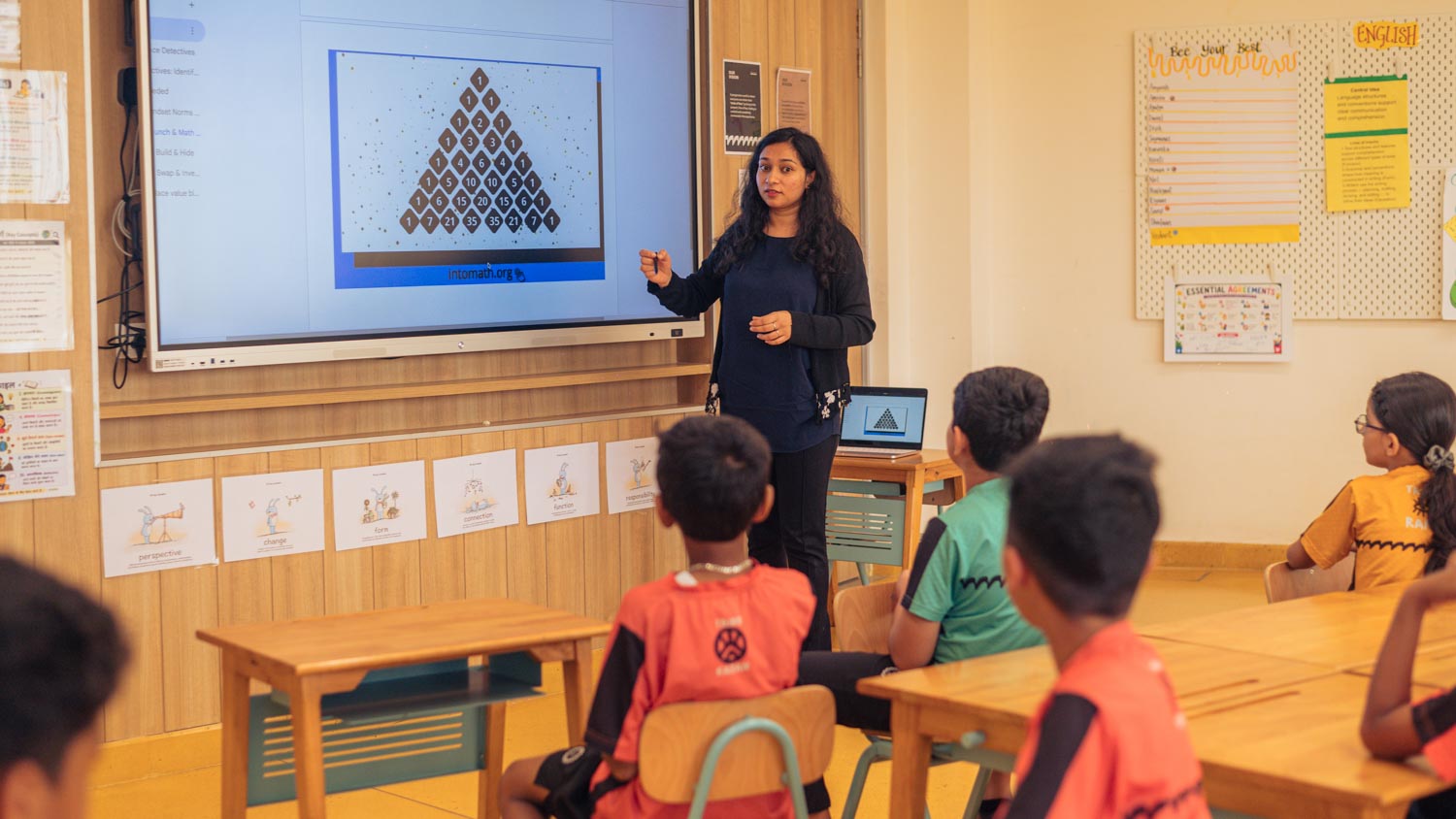
As math talk became routine, students who were once hesitant began participating more actively — not just explaining what they did, but why they did it, using number lines, manipulatives, and sketches to make their thinking visible for themselves and their peers. Nine months in, the shift feels both visible and meaningful. Students listen more attentively, ask more thoughtful questions, and build on one another's strategies with real ease.
Why It Mattered
Looking back, the real shift wasn't in what students knew — it was in how safe they felt to think out loud. When "what do you see" replaced "what is the answer," students stopped performing correctness and started genuinely exploring ideas together. That energy — lively, curious, and low-stakes — is what made the learning stick. At its heart, this work reminds me of something important: when a child begins to believe "my ideas matter," it shapes how they see themselves as learners.
If there's one thing I'd want another teacher to try tomorrow, it's this: Ask "what do you notice," and then simply let the room talk.
Choosing the Right School: 8 Questions Every Parent Should Ask Before Enrolling Their Child
Choosing a school is one of the most important decisions a family makes.
It is about far more than academics or infrastructure. The right school shapes how a child thinks, learns, builds relationships, and discovers who they are becoming.
As you explore your options, here are eight questions that can help you look beyond brochures and rankings to find a learning community that truly aligns with your child's future.
1. Does the school inspire curiosity or simply deliver content?
The best education begins with questions, not just answers. Look for a school that encourages inquiry, critical thinking, and real-world problem solving rather than memorisation alone.
2. Does learning extend beyond the classroom?
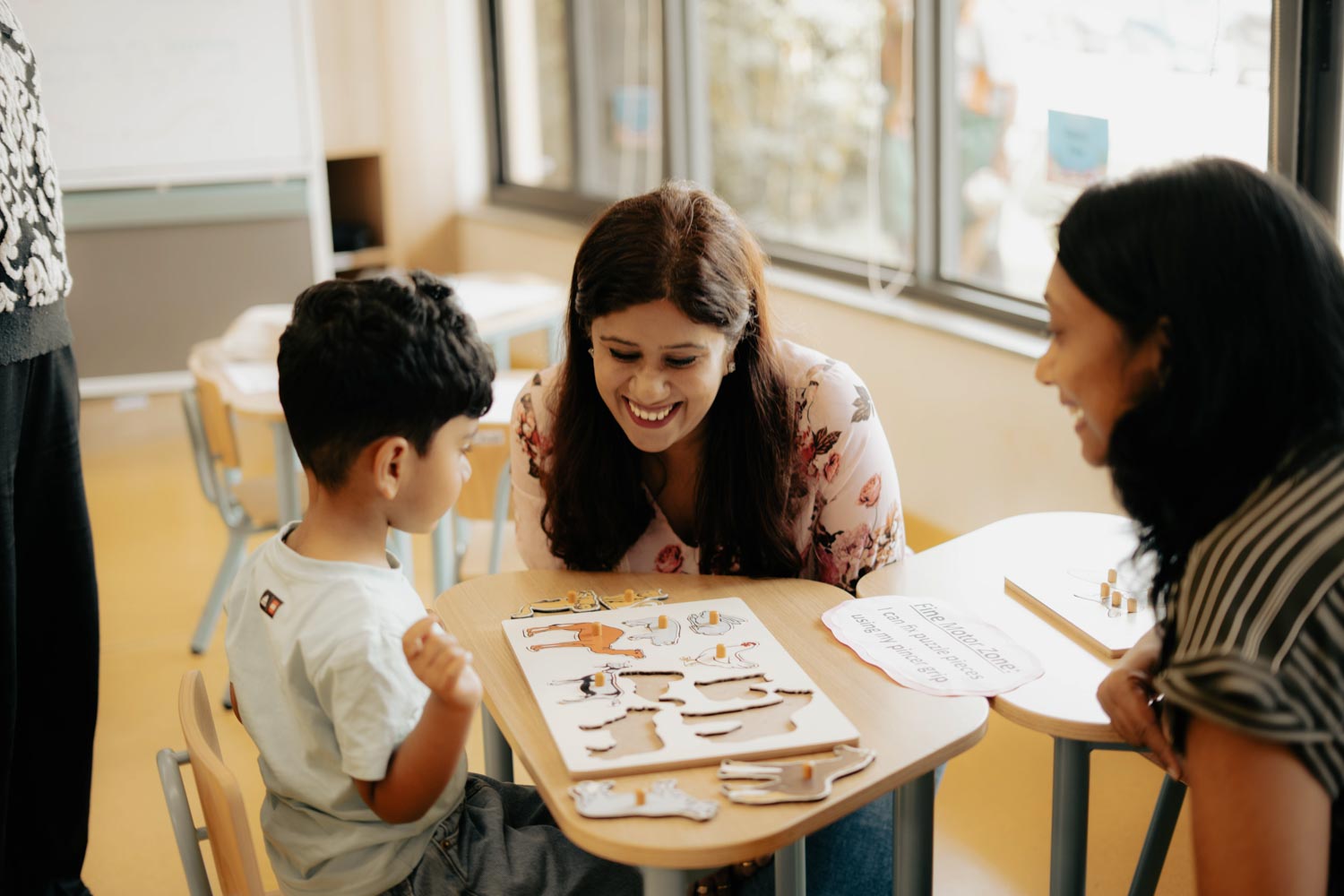
Children grow through experiences as much as lessons. Sport, the arts, design, leadership, and service learning help develop resilience, creativity, confidence, and collaboration—skills that are essential for life.
3. Is there a clear learning journey?
A strong curriculum should evolve with your child. An IB Continuum School offers a connected pathway through the Primary Years Programme (PYP), Middle Years Programme (MYP), and Diploma Programme (DP), ensuring learning grows in depth, purpose, and complexity over time.
4. How does the school support wellbeing?
Academic success flourishes when children feel safe, valued, and supported. Ask how the school nurtures emotional wellbeing, builds positive relationships, and creates an environment where every learner feels a sense of belonging.
5. Are students encouraged to think independently?
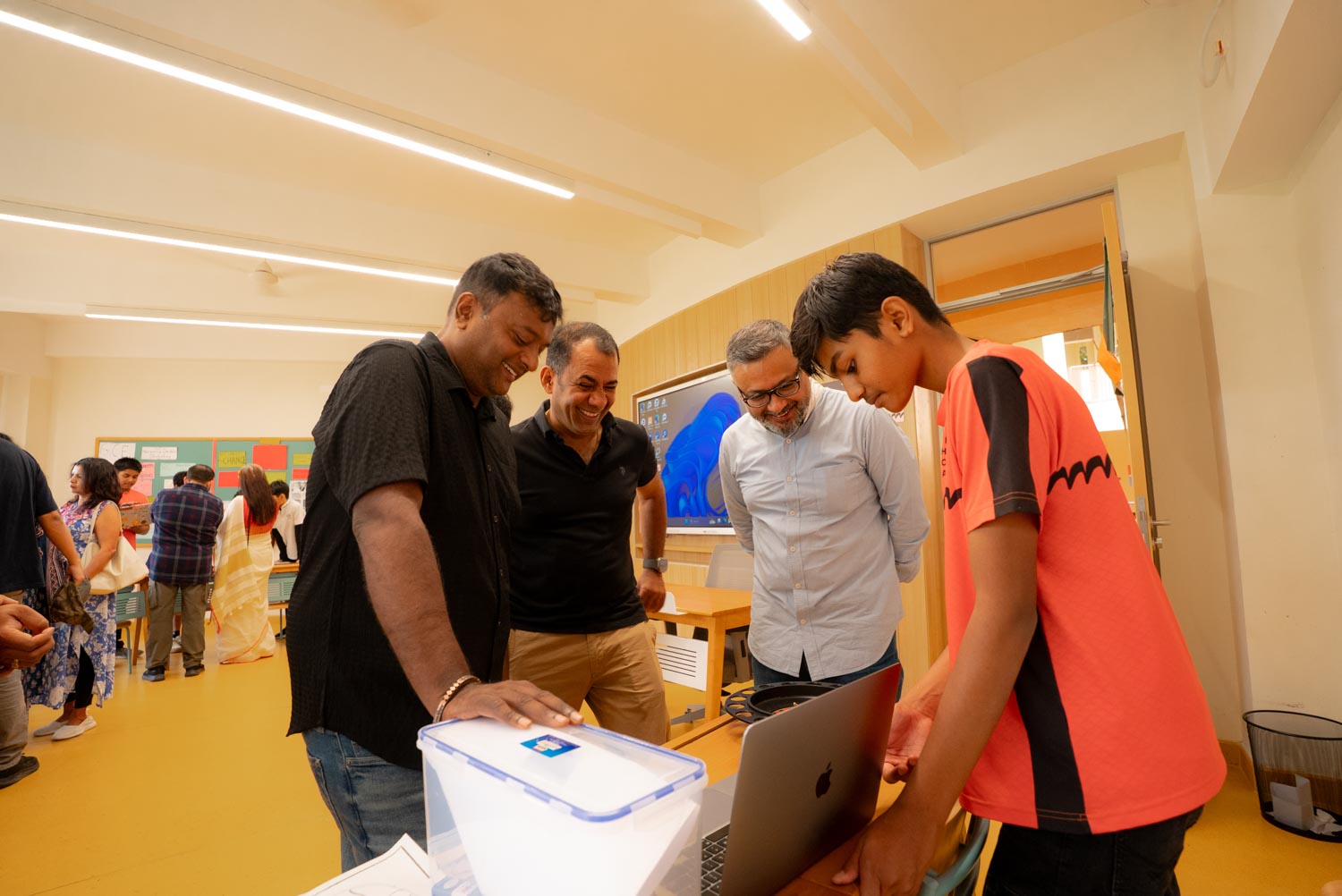
The future belongs to learners who can ask thoughtful questions, make informed decisions, and adapt to change. Schools should develop student agency, empowering children to take ownership of their learning and contribute with confidence.
6. Does the school prepare children for a changing world?
Knowledge alone is no longer enough. Today's learners need critical thinking, collaboration, communication, creativity, and global perspectives to thrive in an interconnected world.
7. Do the school's values reflect your family's values?
The strongest partnerships are built on a shared purpose. A school's culture should encourage integrity, respect, empathy, and lifelong learning, creating an environment where children grow into compassionate and responsible individuals.
8. Can you imagine your child thriving here?
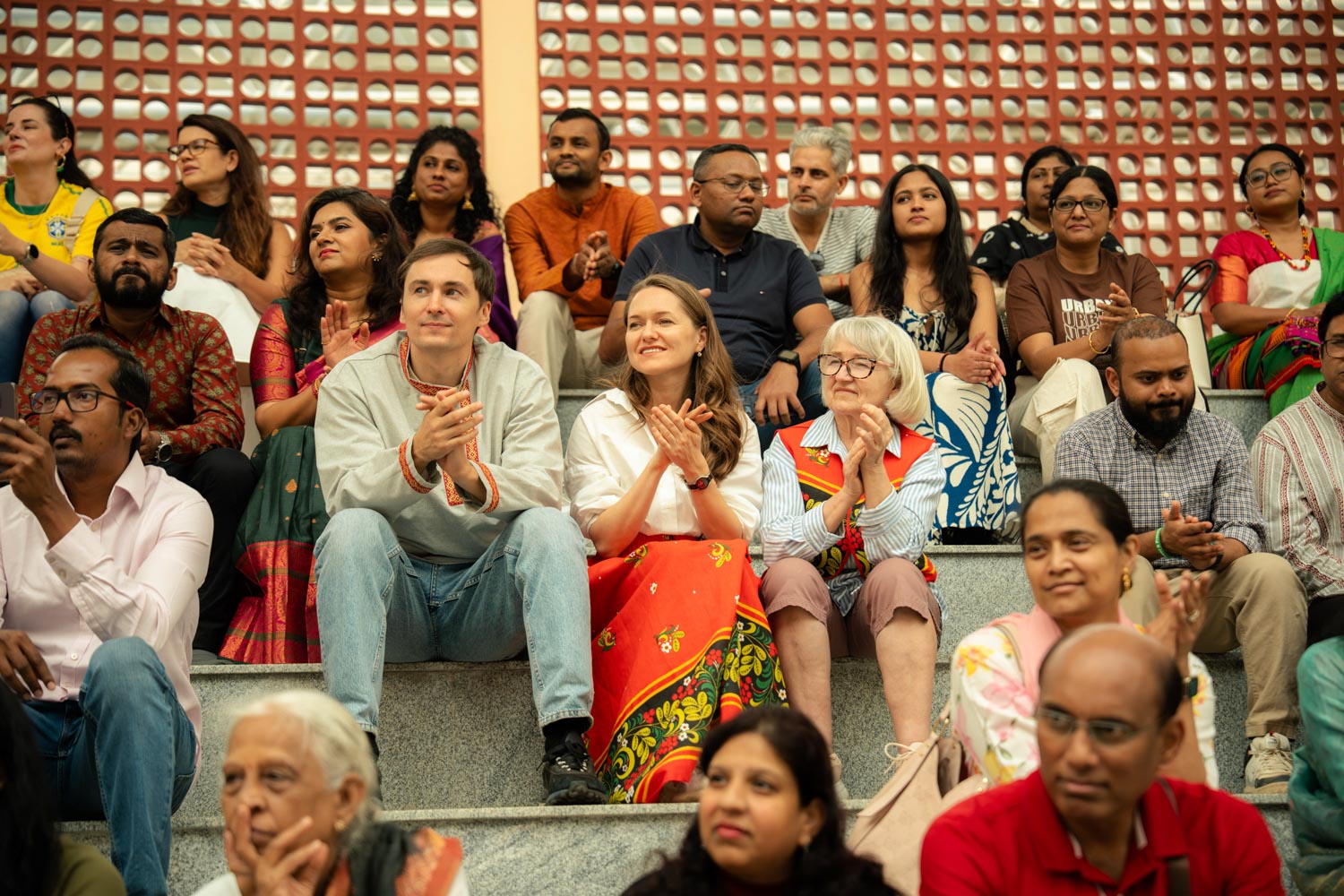
Sometimes the most important answer comes from observing the environment. Visit the campus. Meet the educators. Watch how students interact. The right school is one where your child feels inspired, challenged, and genuinely excited to learn.
More Than Choosing a School
At The School of Raya, we believe education is about helping every learner discover their potential and develop the confidence to make a meaningful difference in the world.
As an IB Continuum School in Bangalore, we offer the Primary Years Programme (PYP), Middle Years Programme (MYP), and Diploma Programme (DP), creating a seamless educational journey grounded in inquiry, holistic development, and global perspectives.
Every learning experience is intentionally designed to nurture curiosity, wellbeing, creativity, leadership, and purpose—preparing learners not only for university, but for life.
Because choosing the right school is not simply about where your child will study.
It is about where they will become.
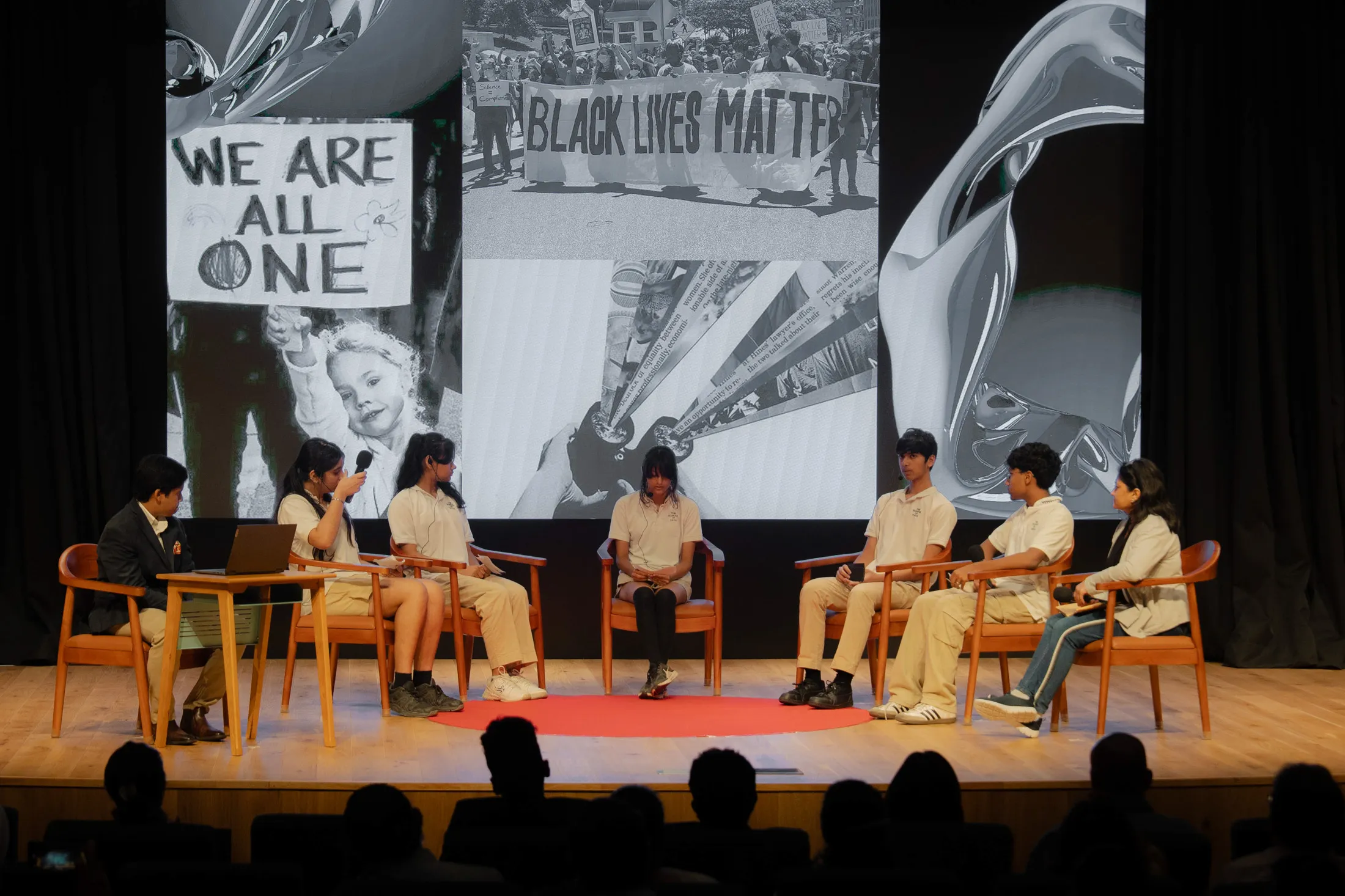
Reflections on Youth, Ethics, and the Right to Dissent
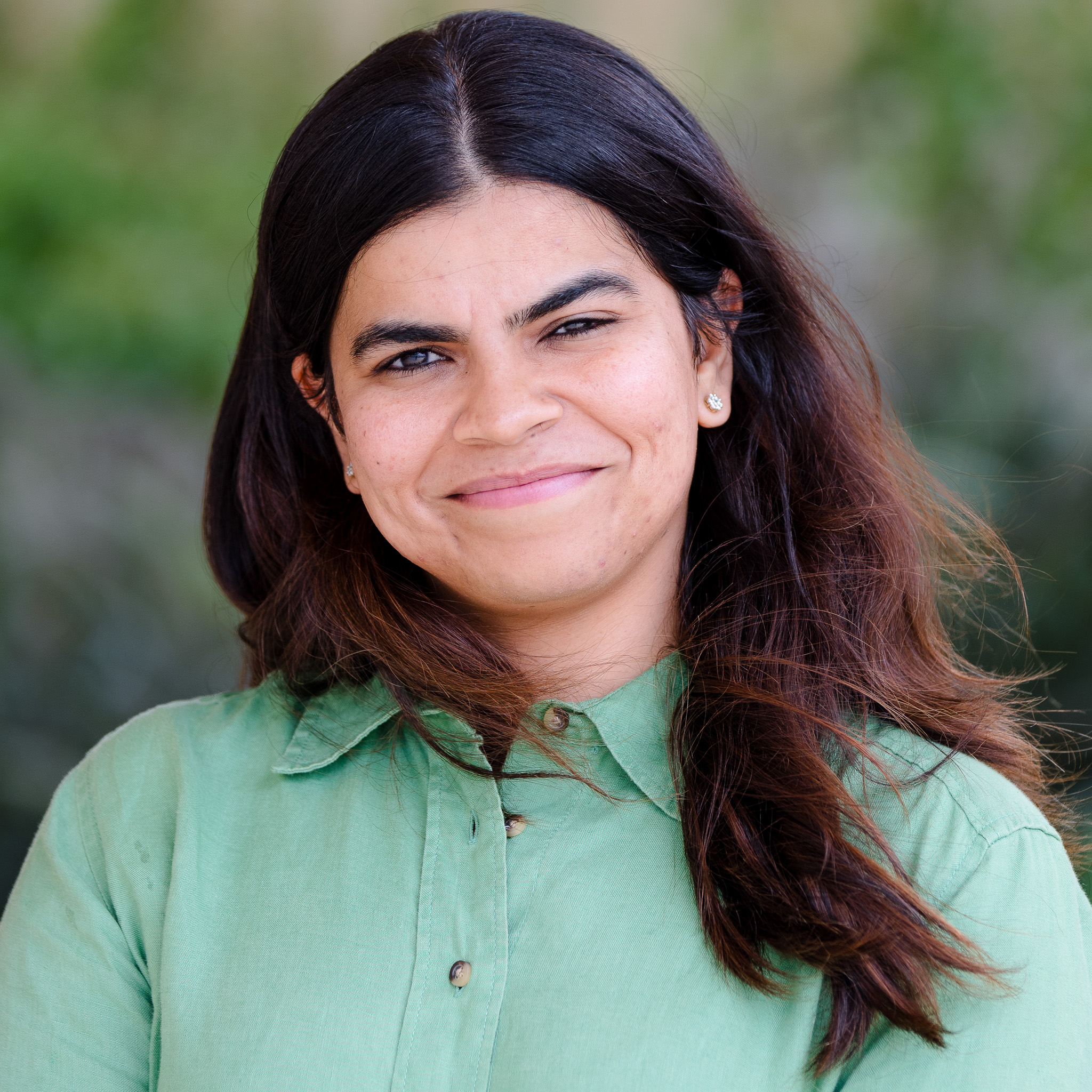
Recently, when my MYP 5 class unpacked Linda Pastan’s poem Ethics, we were confronted by its core dilemma - choosing between an irreplaceable Rembrandt painting or an elderly woman’s life. The poem ultimately arrives at a cynical conclusion: that true ethical understanding is reserved for the mature, entirely beyond the reach of children. Yet, standing in a room of fifteen-year-olds, I found myself challenging that very narrative.
The sentiment that is often reflected in mainstream media and popular culture portrays young people, particularly teenagers, as self-absorbed, devoid of the motivation to engage deeply with complex societal issues. However, in my class, most students did not dodge responsibility or offer easy, surface-level answers. They considered multiple perspectives and dissected the subtle ethical dilemmas embedded in our daily lives. Yes, life experience undeniably enriches rational thought, but they also showed me that young people do not need to wait decades to possess moral clarity. When provided with a safe environment and the space to engage in open dialogue, these students demonstrated a capacity for critical thinking and respectful debate, elevating the quality of discourse.
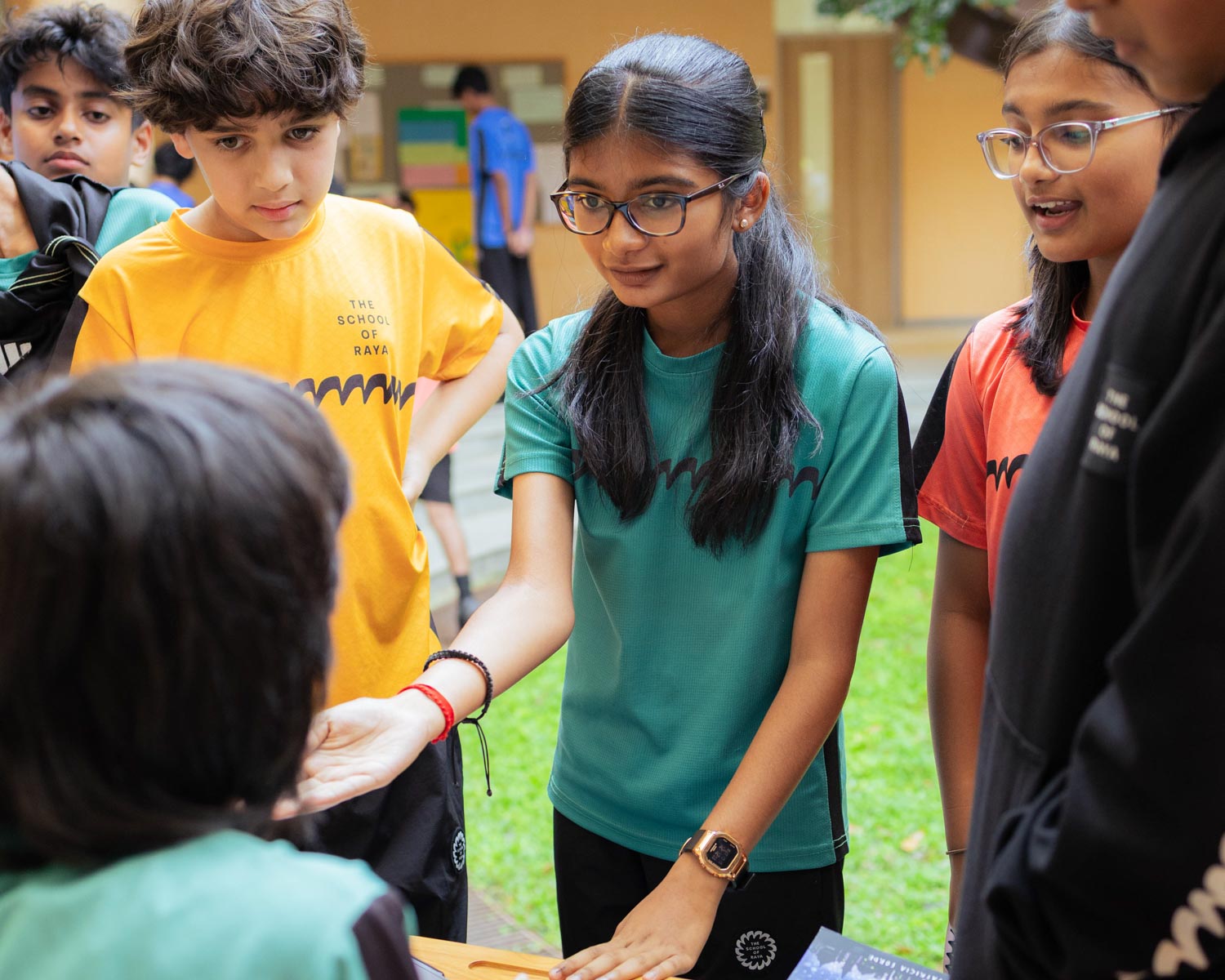
This classroom experience finds a striking parallel in the world around us. Outside our school walls, we have recently seen Gen Z leaders taking to public spaces, making their voices heard in demonstrations against ineffective policies and governance in higher education. Facing resistance and significant hardship, these young citizens have organized, dissented and in due time, achieved meaningful success in demanding systemic accountability.
While prevailing narratives often label youth activism as reckless or idealistic, these demonstrations tell a different story. They reveal a generation deeply invested in ethics and public welfare. They are not indifferent, they are stepping up to shoulder moral responsibilities.
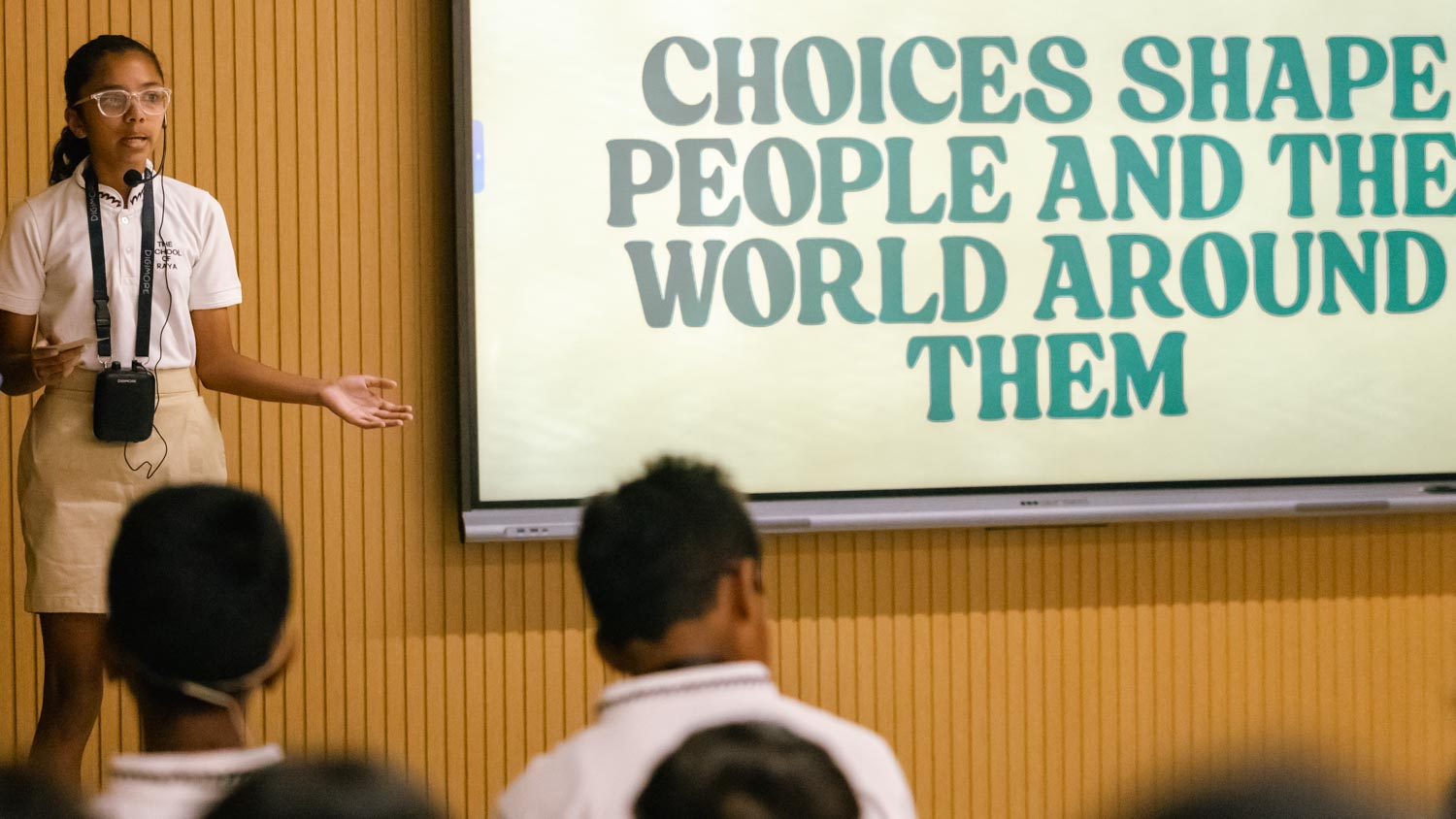
Safeguarding the Space to Question
This dynamic invites us as educators and community members to reflect on the foundational pillars of a democratic society. Documented frameworks, such as the Preamble to our Constitution and the fundamental rights enshrined in its Articles, guarantee freedom of thought, expression and peaceful assembly to all citizens. These rights exist precisely to protect the right to question and to disagree respectfully.
Yet, we must ask ourselves: Do our formal and societal structures inadvertently strip these rights away from young people the moment they enter schools and public institutions?
If we strip away their right to dissent, we deny them the opportunity to grow into conscientious citizens. When we trust young people with safe spaces to challenge the status quo, they show us that dissent is an act of care for the future.
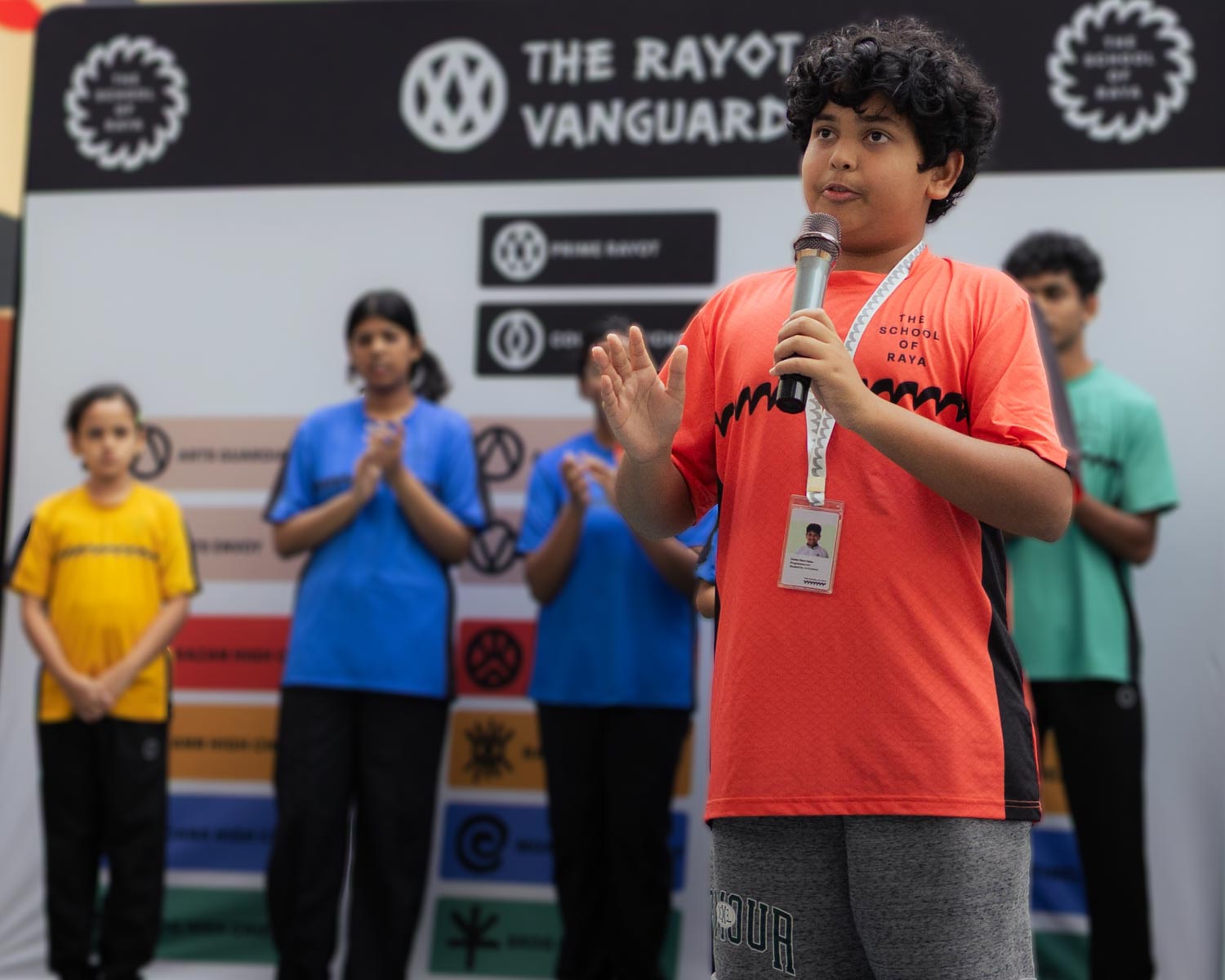
As educators, our role is not to hand them pre-packaged answers, but to sit alongside them in the discomfort of big questions. I think back to that classroom with fifteen-year-olds leaning into a debate with no right answer, unwilling to let each other off easy. Pastan’s poem insists that kind of clarity has to wait for age. My students proved otherwise. Not by answering the question, but by refusing to simplify it.
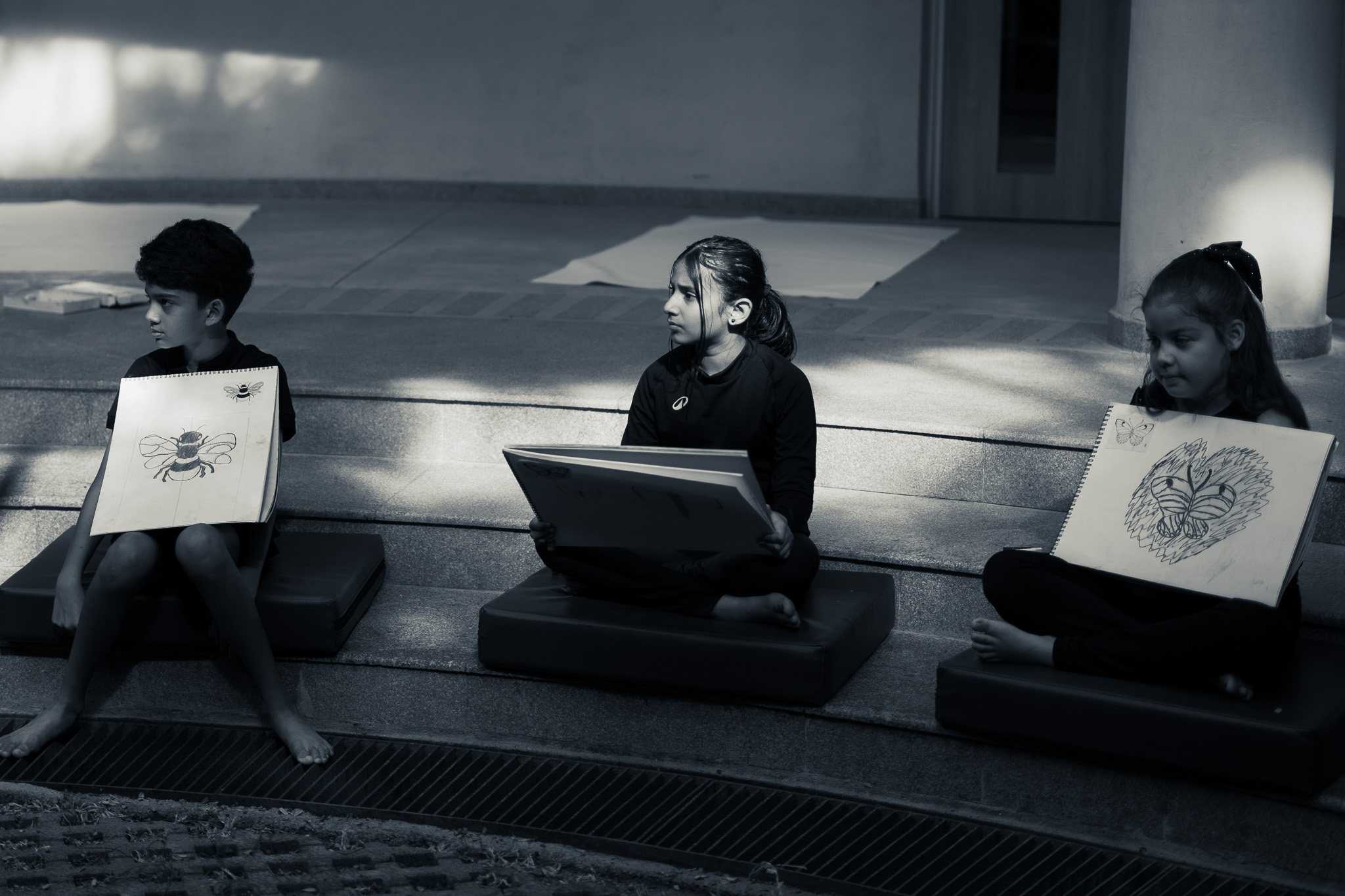
The Questions That Shape Lifelong Learners
" What do you think ? "
The most meaningful learning often begins with a simple question.
One question has stayed with me throughout my years as an educator: What happens when we give children the freedom to ask their own questions?
In many classrooms, learning begins with answers. In an IB classroom, it begins with curiosity. Learners are encouraged to ask questions, explore ideas, challenge assumptions, and discover solutions that are meaningful to them.
At The School of Raya, we see education as far more than preparing learners for examinations. Our role is to nurture curious minds, independent thinking, and the confidence to engage with an ever-changing world. When children are trusted to think, question, and explore, learning becomes something they own.
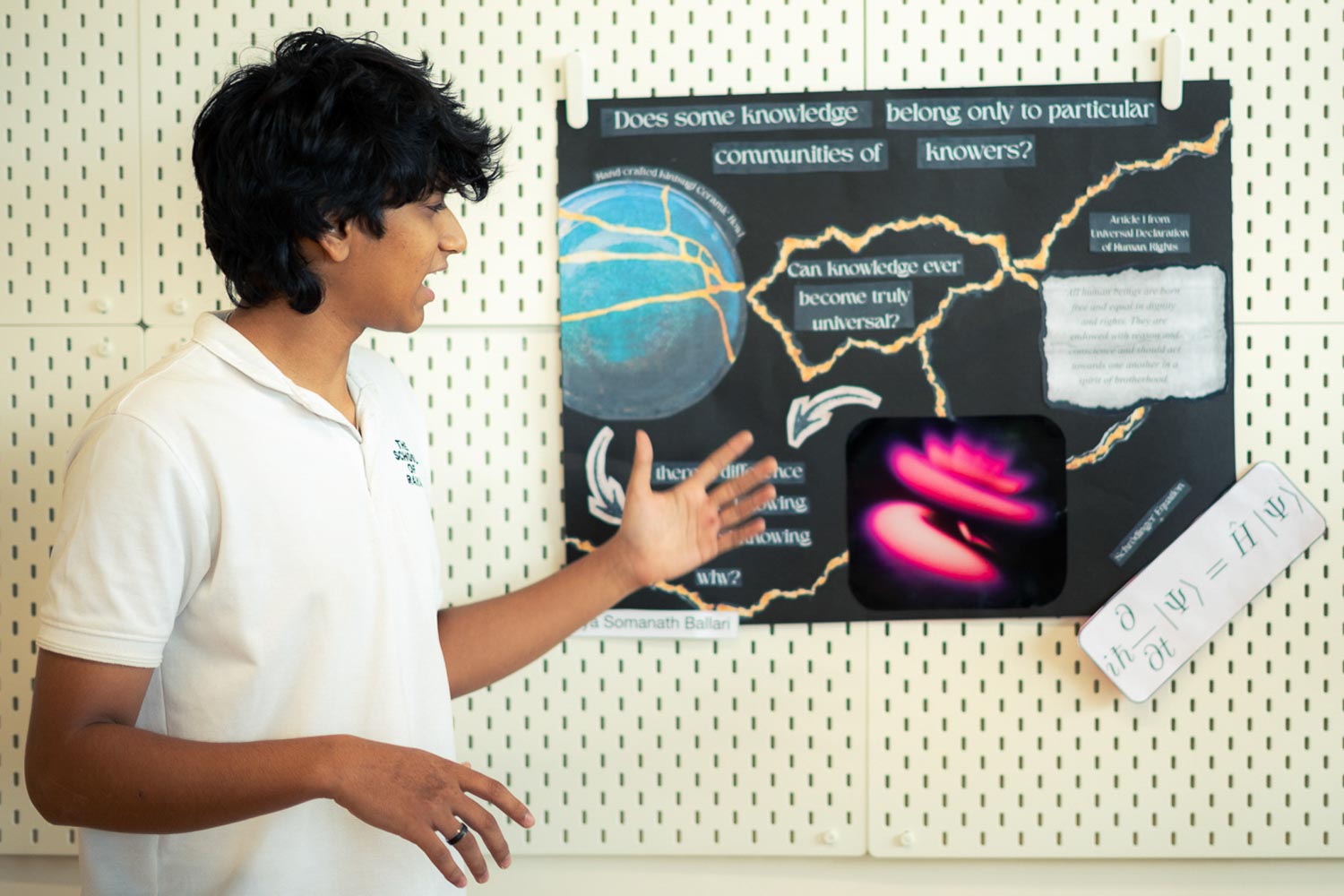
Inquiry is the Beginning of Understanding
Children are naturally curious. They ask why the sky changes colour, how bridges stay standing, or what makes communities thrive.
As educators, one of our greatest responsibilities is to keep that curiosity alive.
The International Baccalaureate (IB) nurtures this through inquiry-based learning—an approach that transforms questions into opportunities for discovery.
From the Primary Years Programme (PYP) to the Middle Years Programme (MYP) and the Diploma Programme (DP), learners investigate authentic challenges, collaborate with peers, reflect on their thinking, and connect learning across disciplines.
The result is not simply knowledge, but understanding.
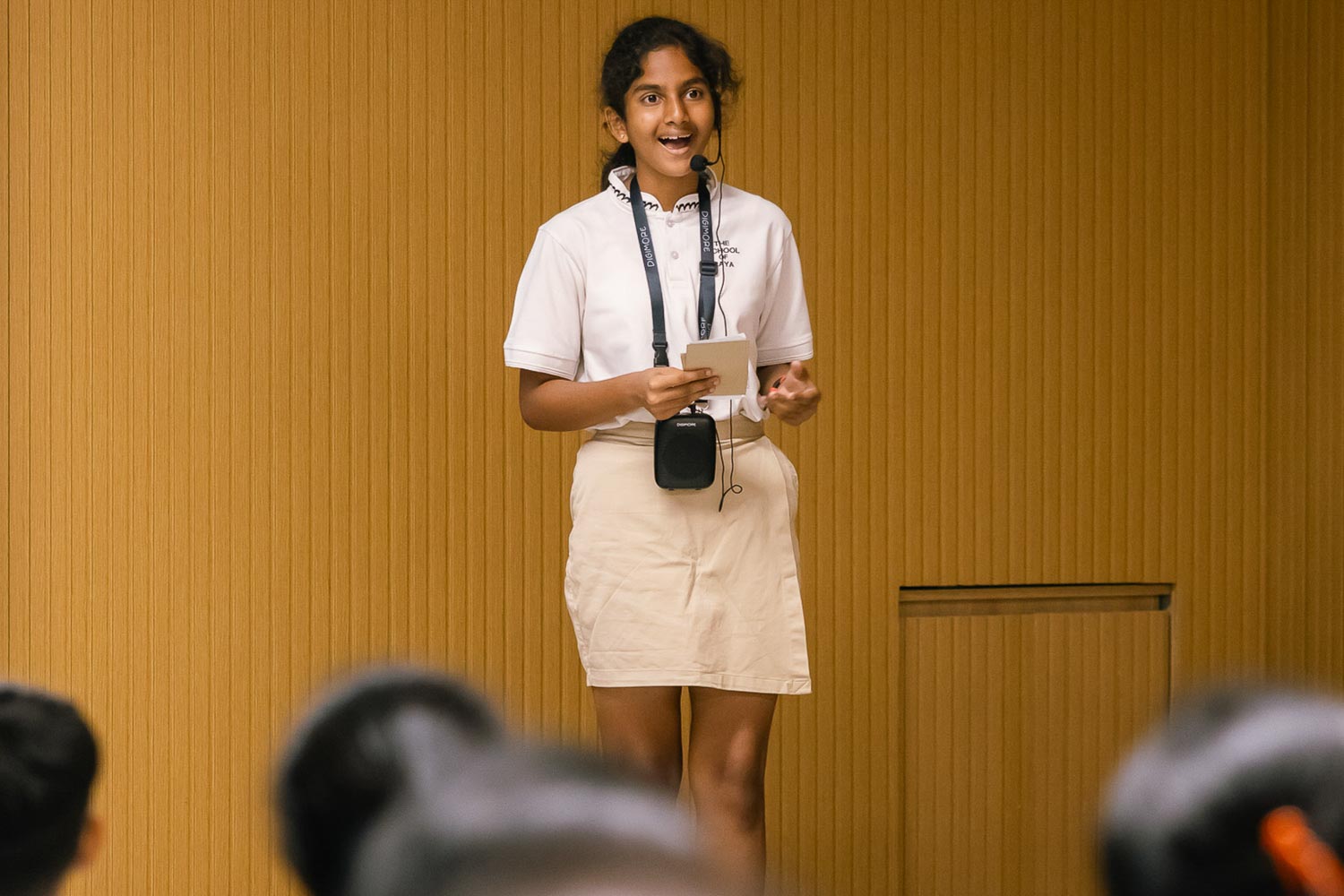
Learning That Stays with You
Facts may be memorised for a test, but understanding lasts a lifetime.
One of the quiet joys of working in a school is watching learners make connections that no one has explicitly taught them to make. A discussion in science sparks an idea in design. A question raised in literature shapes a conversation about society. Learning begins to extend beyond subjects and into life.
At The School of Raya, whether learners are designing solutions in the Makers' Atelier, exploring scientific concepts, debating global issues, or creating through the arts, they are encouraged to apply knowledge rather than simply recall it.
Confidence grows through this process—not from always having the right answer, but from learning how to ask better questions.
Developing Future-Ready Learners
The world our children will inherit will reward adaptability, creativity, collaboration, and critical thinking.
Inquiry encourages learners to become independent thinkers who communicate with empathy, embrace different perspectives, and approach challenges with resilience. They learn that every problem may have multiple solutions and that learning is a lifelong journey.
These are the qualities that prepare young people not only for academic success, but for life.
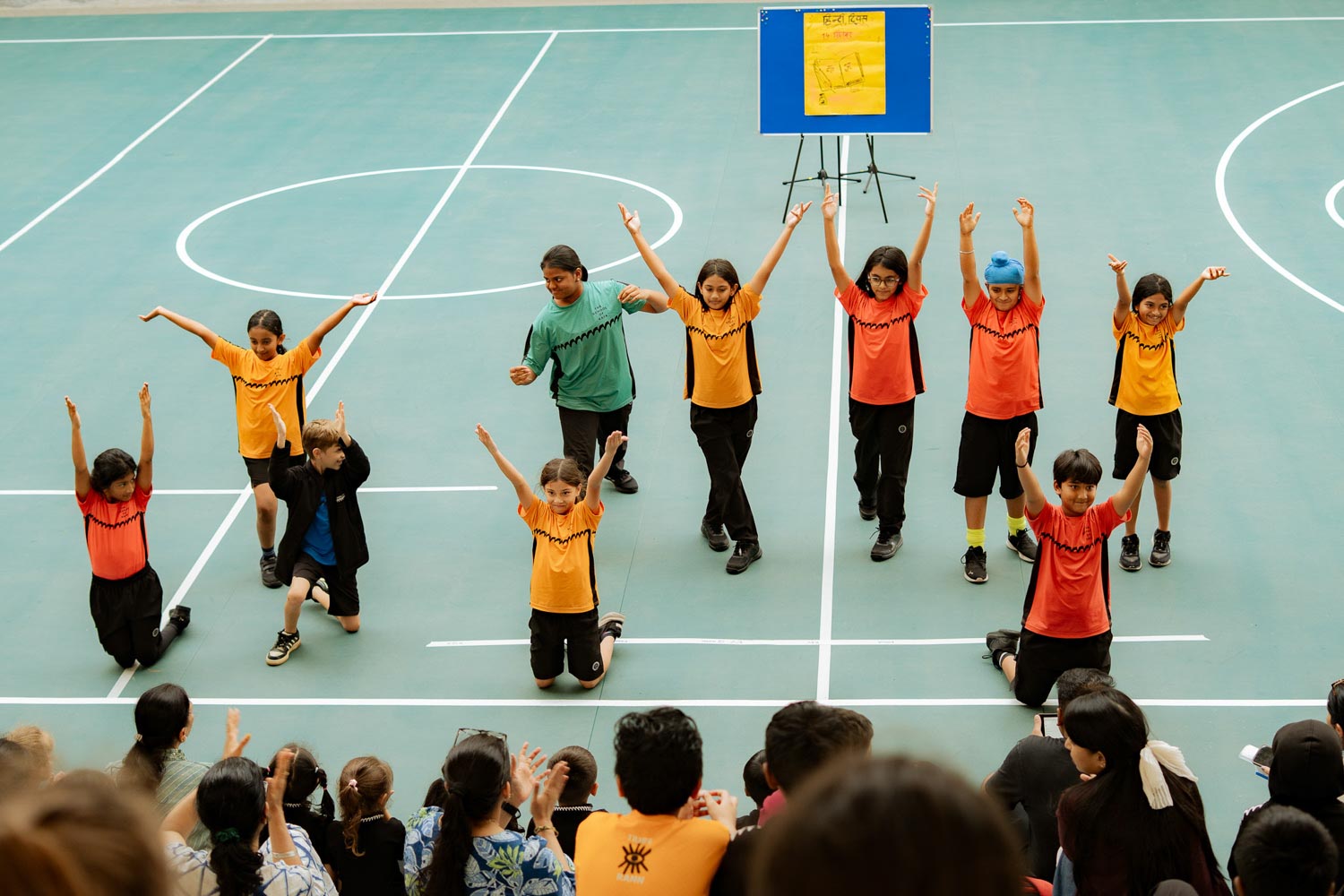
Building a Culture of Inquiry
At The School of Raya, inquiry is more than a teaching strategy; it is part of who we are.
Every learning experience is designed to inspire curiosity, encourage student agency, and help learners become active participants in their own education. Our educators guide, challenge, and support every learner while creating environments where questions are welcomed and ideas are explored.
Years from now, our learners may not remember every lesson they studied. I hope they remember something even more valuable—that they left school with the confidence to ask thoughtful questions, explore new ideas with an open mind, and continue learning long after they leave our classrooms.
Because education should do more than prepare children for examinations.
It should prepare them to think with confidence, act with purpose, and contribute meaningfully to the world.
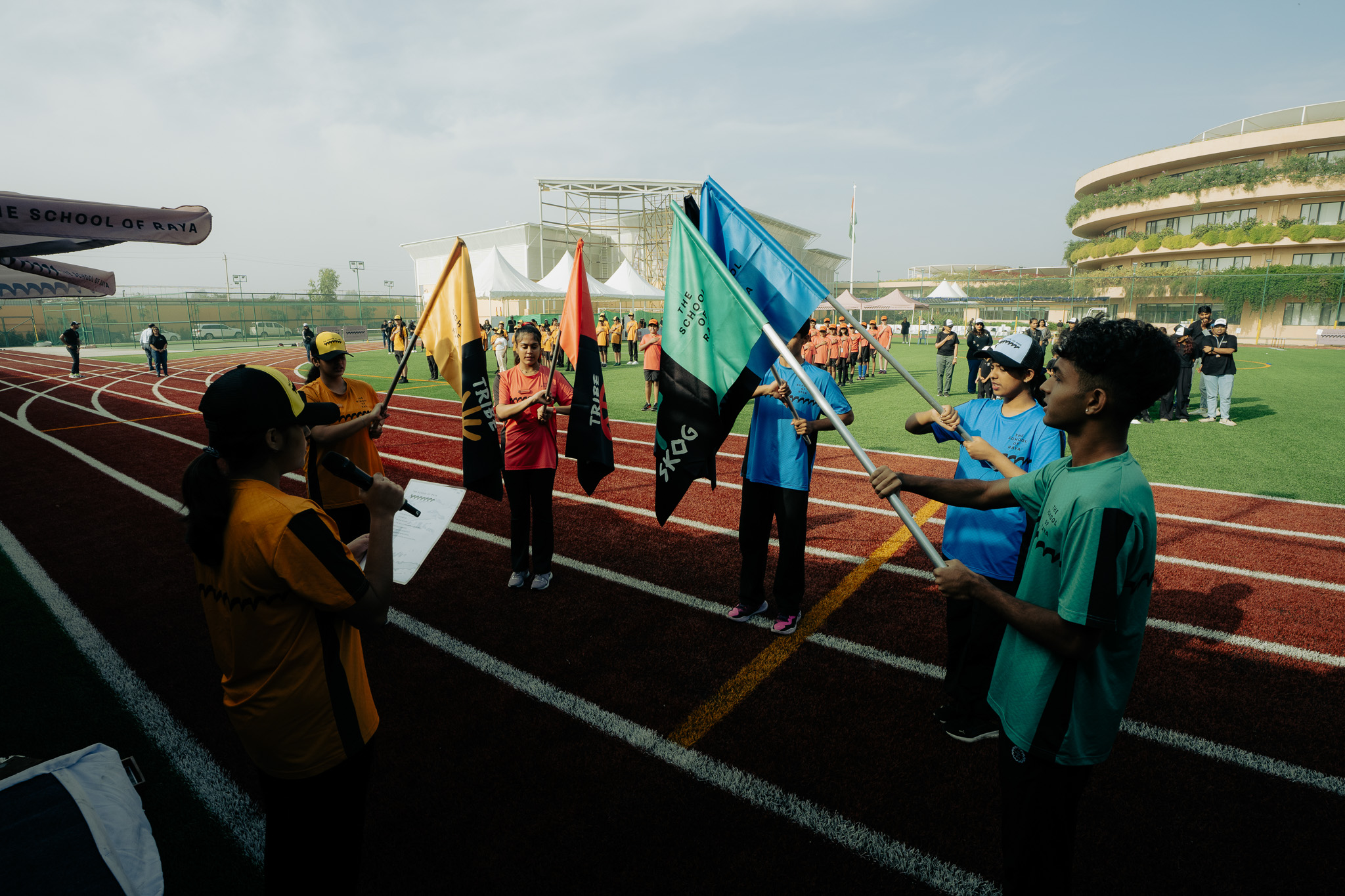
Beyond the Classroom: Why Sport, Creativity and Service Are Essential to a Child's Growth
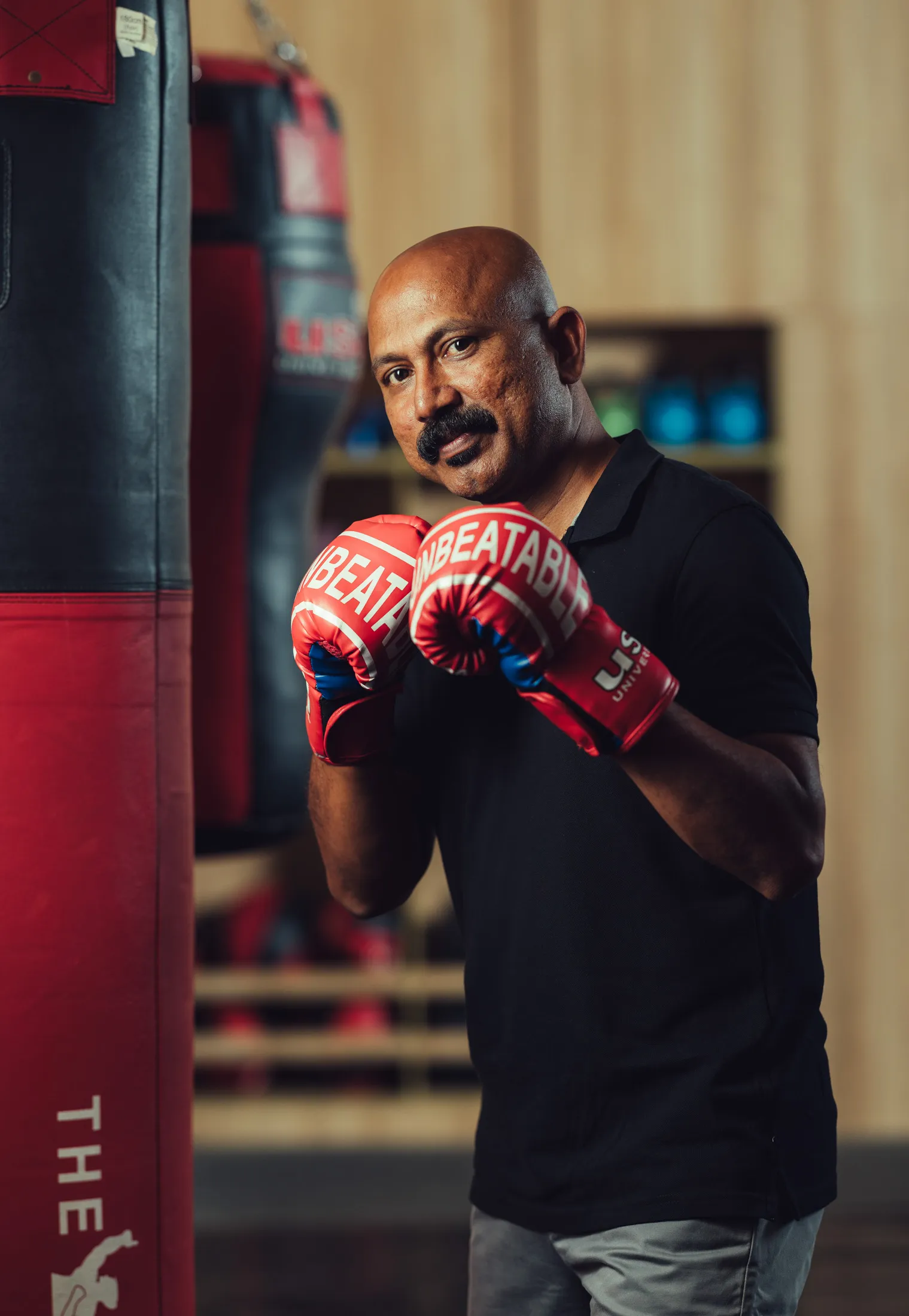
When we think about education, it is often the classroom that comes to mind.
Yet some of the most meaningful learning happens beyond it.
A child discovers resilience after losing a closely contested match. Confidence grows while presenting an original idea. Empathy develops through serving the community. These are not moments separate from education—they are moments that define it.
At The School of Raya, we believe that true learning extends far beyond academic achievement. As an IB Continuum School in Bangalore, we nurture learners who are not only knowledgeable, but also balanced, compassionate, creative, and ready to contribute meaningfully to the world around them.
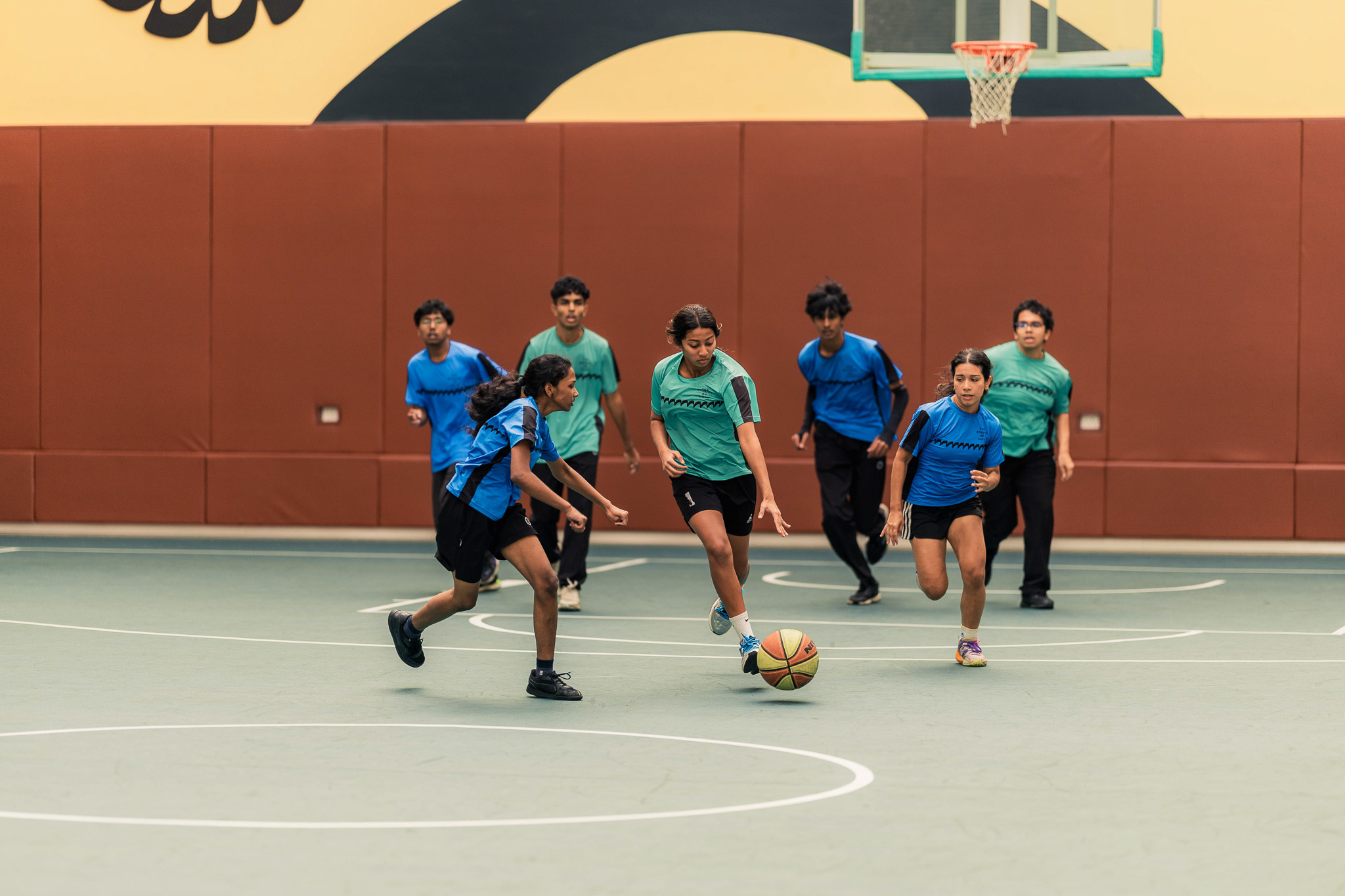
Sport: Learning to Lead with Resilience
Sport is about much more than winning.
It teaches perseverance, discipline, teamwork, leadership, and respect—qualities that remain with learners long after the final whistle.
Whether on the football field, basketball court, or athletics track, our students learn how to embrace challenges, celebrate collective success, and grow through setbacks. Every practice, every match, and every reflection builds confidence and character.
These experiences help learners develop the resilience and determination needed to thrive in school and beyond.
Creativity: Turning Ideas into Innovation
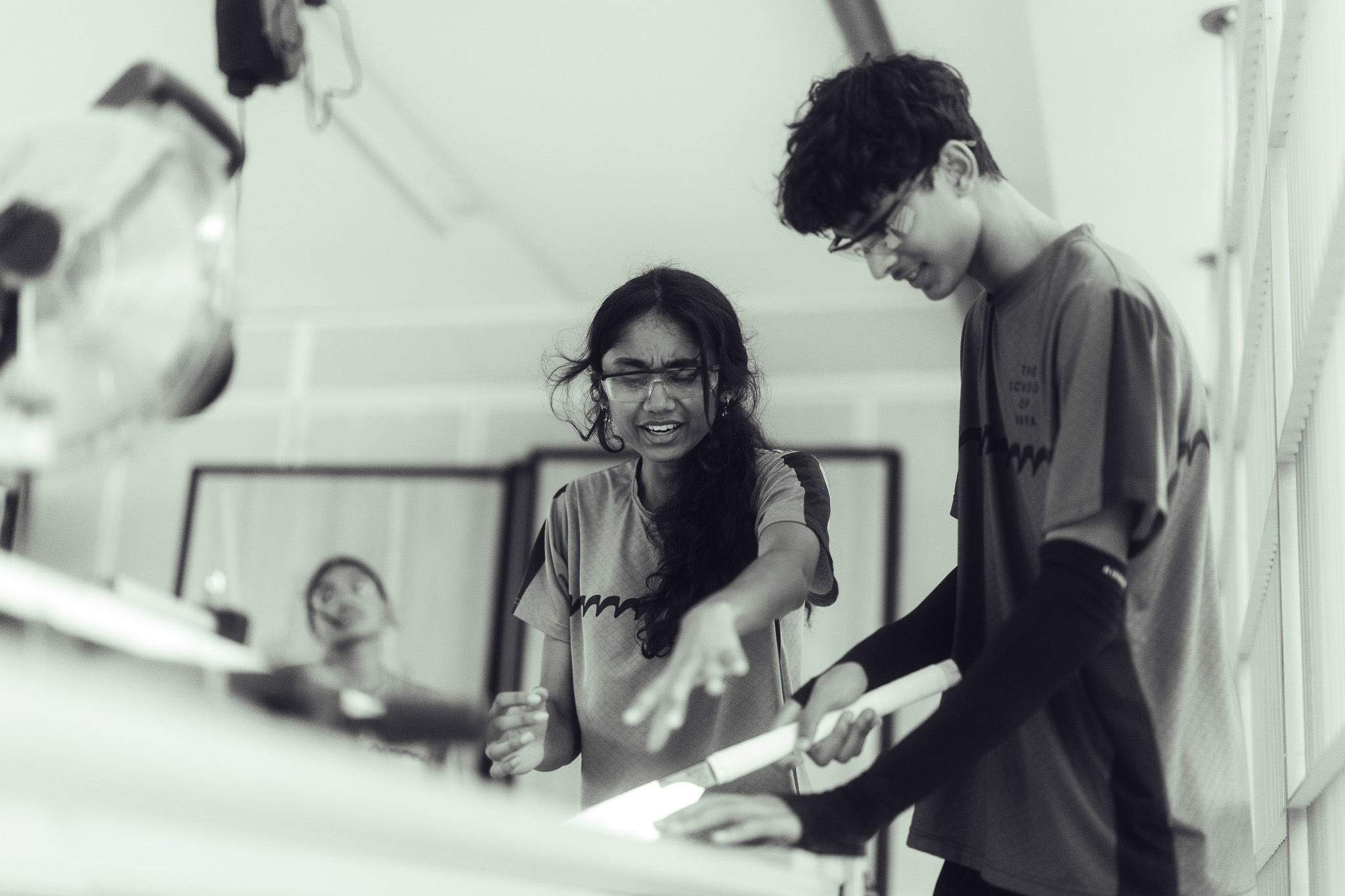
Every child is born with the ability to imagine.
The opportunity lies in giving them the confidence to create.
At Raya, creativity is woven into everyday learning. From visual and performing arts to design thinking and hands-on exploration in the Makers' Atelier, learners are encouraged to experiment, take thoughtful risks, and transform ideas into meaningful outcomes.
Creativity is not reserved for artists, it is an essential life skill. It empowers learners to solve problems, think differently, and approach challenges with curiosity and innovation.
Service: Learning with Purpose
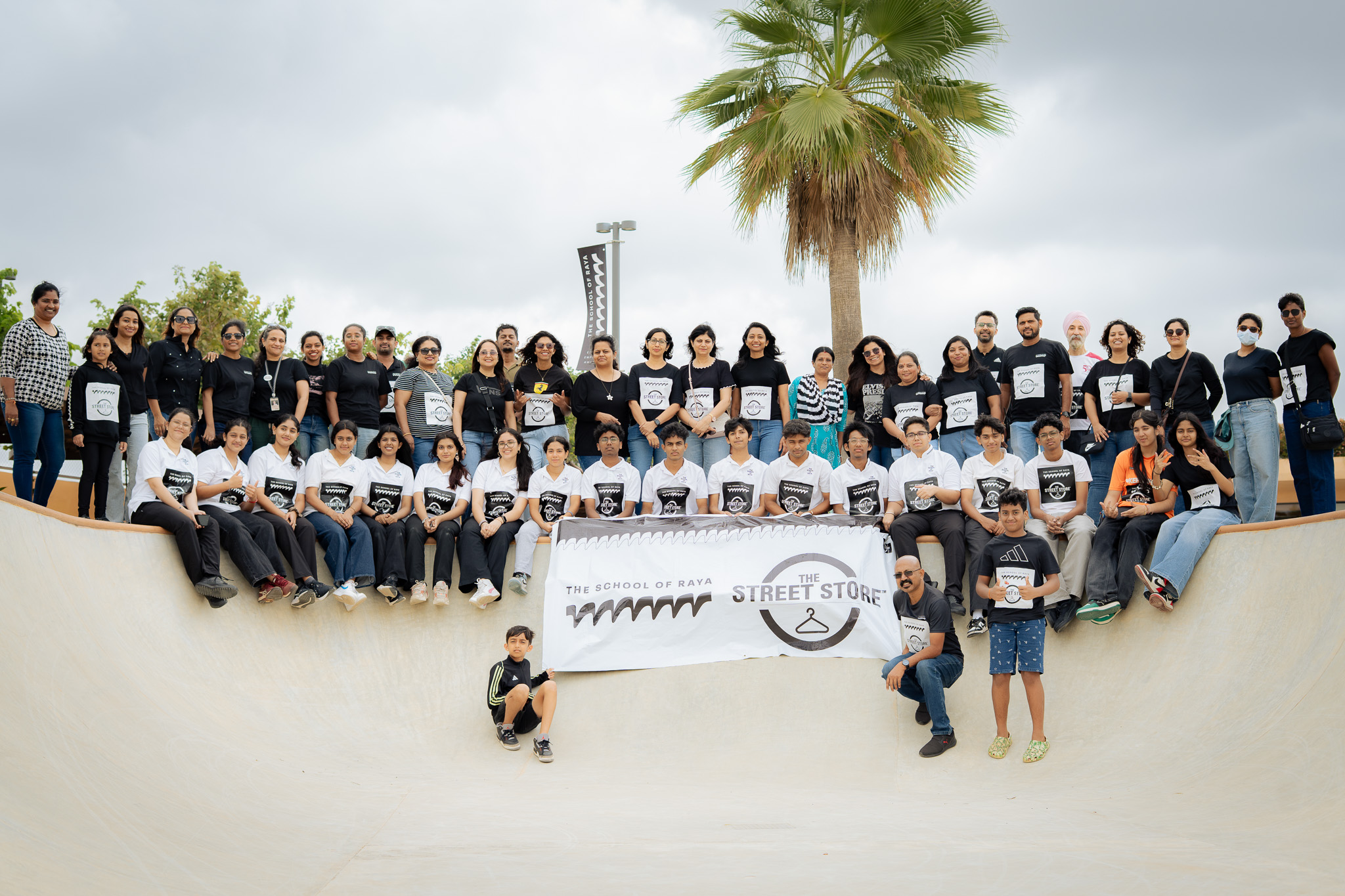
Education becomes truly meaningful when learning is connected to others.
Through service learning, students discover that even small actions can make a meaningful difference. They learn to listen, collaborate, and contribute with empathy while developing a deep sense of responsibility towards their communities.
Service is not simply about giving back. It is about understanding different perspectives, building meaningful relationships, and recognising that every learner has the ability to create positive change.
These experiences shape compassionate individuals who understand that leadership begins with service.
A Holistic Education for an Ever-Changing World
The International Baccalaureate (IB) believes that education should develop the whole child.
Across the Primary Years Programme (PYP), Middle Years Programme (MYP), and Diploma Programme (DP), learners are encouraged to grow intellectually, physically, emotionally, socially, and ethically.
At The School of Raya, this philosophy comes to life every day. Academic learning is enriched through sport, creativity, and service, enabling learners to become confident thinkers, collaborative leaders, and responsible global citizens.
Because success in tomorrow's world will not be defined by knowledge alone.
It will be shaped by resilience, imagination, empathy, and purpose.
Education is not measured solely by what learners know.
It is reflected in who they become.
Every classroom discussion, every creative project, every sporting challenge, and every act of service contributes to a journey that prepares learners not just for university, but for life.
Because when learning extends beyond the classroom, children don't simply achieve.
They flourish.
A New School Year Begins: More Than a Fresh Start

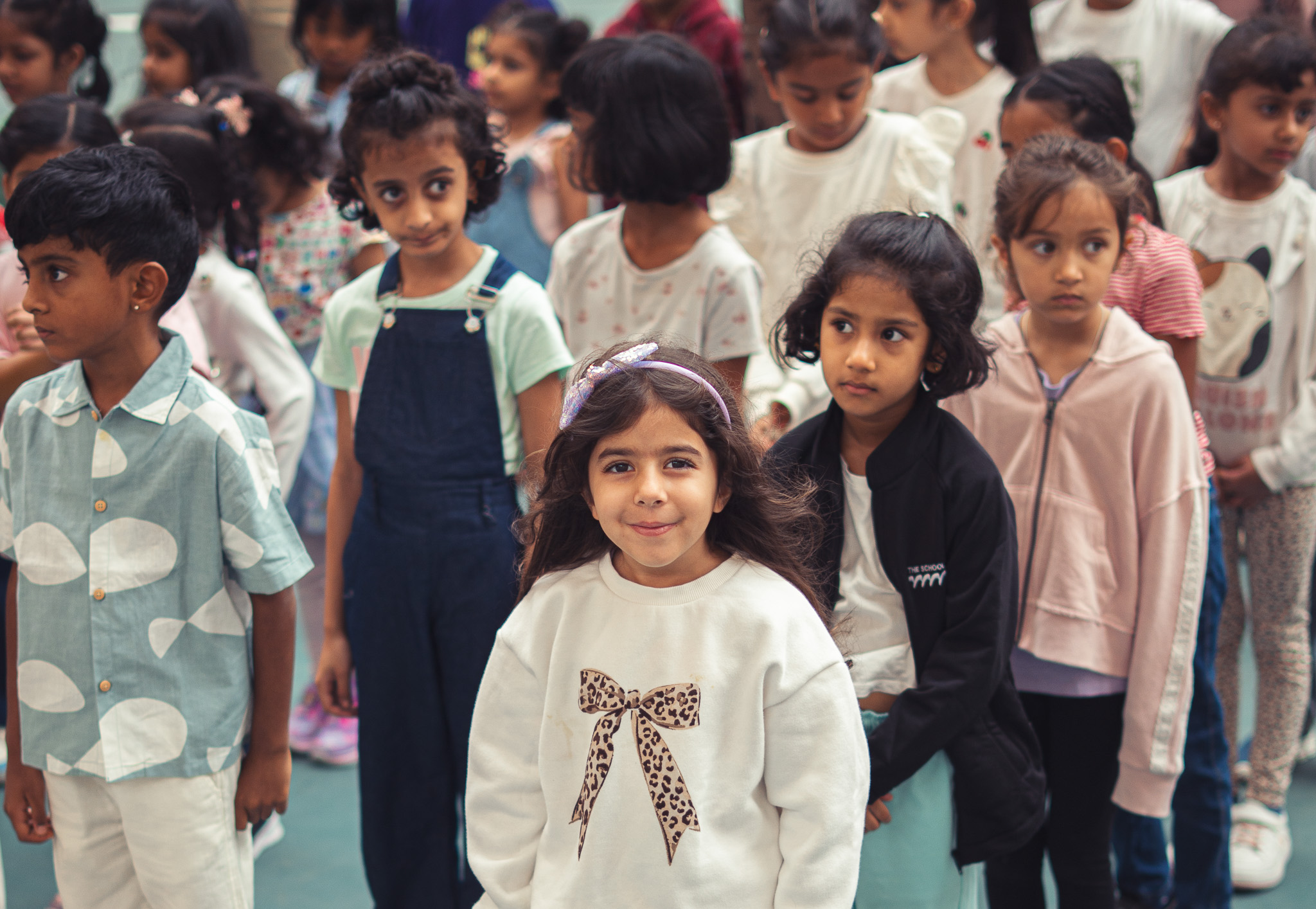
There is something quietly powerful about the beginning of a new school year.
The classrooms may be familiar, the routines may return, but every new academic year brings fresh questions, new relationships, and opportunities waiting to unfold. At The School of Raya, we see this moment as far more than the start of another term. It is the beginning of another chapter in every learner's journey of curiosity, purpose, and growth.
As an IB Continuum School in Bangalore, we believe that meaningful learning begins not with answers, but with questions.
Why does this happen?
How can this be improved?
What if we looked at it differently?
This spirit of inquiry lies at the heart of the International Baccalaureate (IB) philosophy. From the Primary Years Programme (PYP) through the Middle Years Programme (MYP) and the Diploma Programme (DP), our learners are encouraged to investigate, collaborate, reflect, and connect their learning to the world around them.
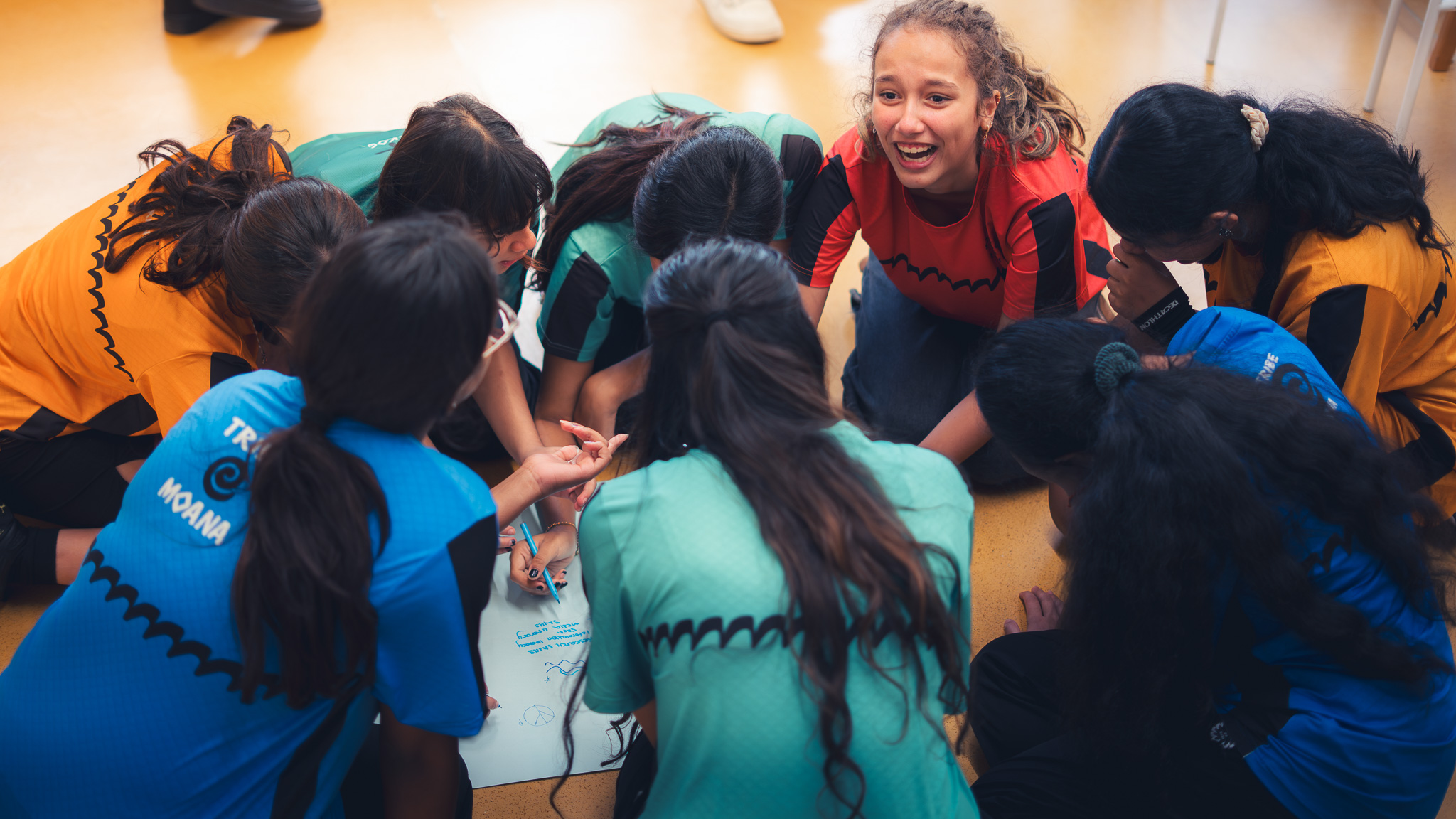
Learning Beyond the Classroom
Education is about more than academic achievement. It is about nurturing young people who think critically, communicate with empathy, embrace creativity, and lead with confidence.
A day at Raya might begin with scientific exploration, continue with hands-on making in the Makers' Atelier, and conclude on the sports field, in the arts studio, or through collaborative projects. These experiences are not additions to learning—they are learning.
This holistic approach helps develop balanced, resilient individuals who are prepared not only for university, but for life.
Every Learner Has a Voice
At Raya, we believe every learner deserves to be heard.
When students are encouraged to ask questions, share ideas, make choices, and reflect on their learning, they develop confidence, ownership, and a genuine love for discovery. Student agency is not simply encouraged—it is woven into the everyday learning experience.
Growing Together
A new school year also marks the beginning of renewed partnerships between learners, educators, and families. Together, we create an environment where curiosity is celebrated, wellbeing is valued, and every child feels a strong sense of belonging.
These relationships form the foundation of meaningful learning and lasting growth.
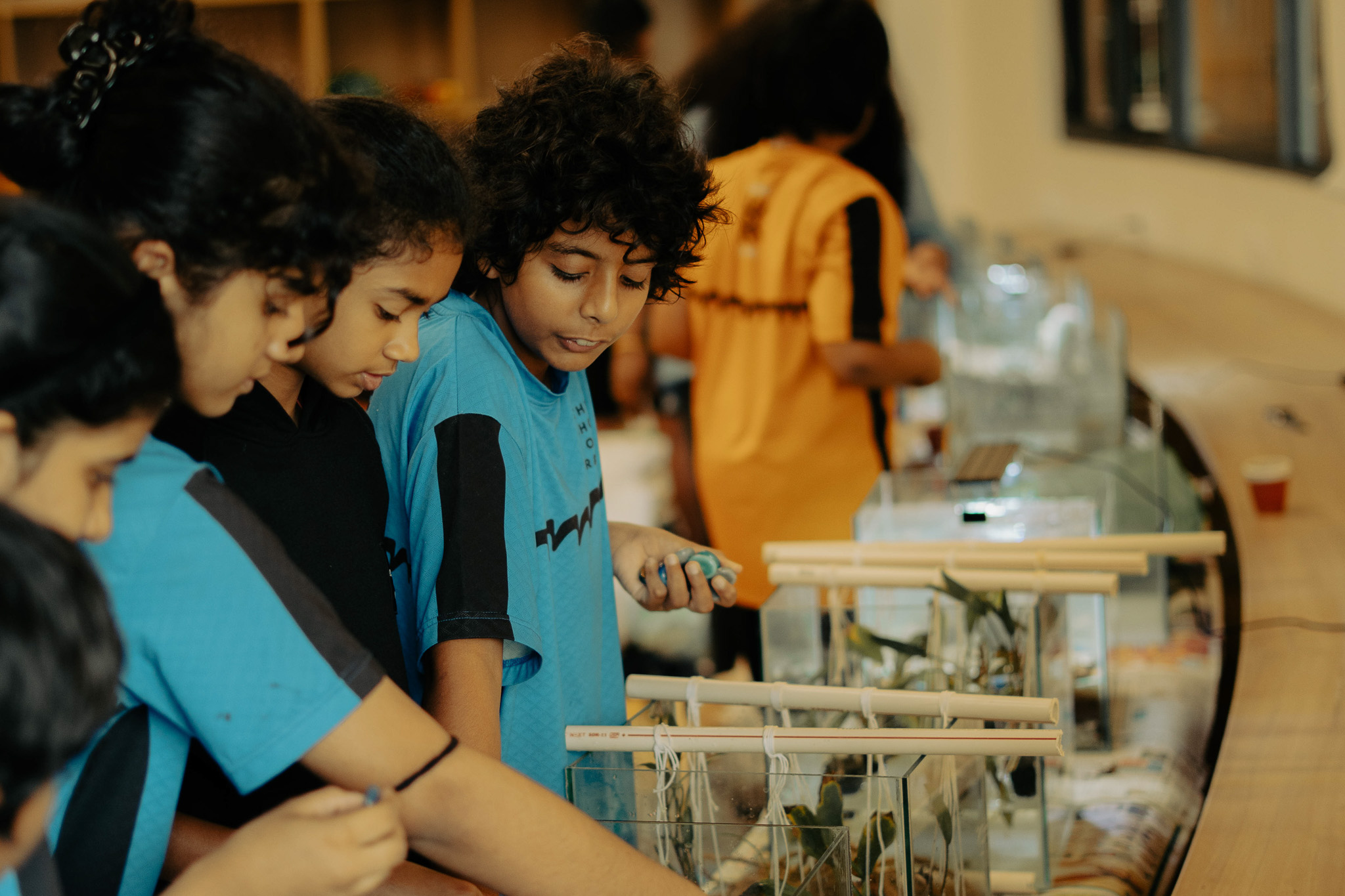
Looking Ahead
The future will demand more than knowledge alone. It will require learners who can think independently, adapt with resilience, collaborate across cultures, and approach challenges with confidence and compassion.
That is the promise of an IB Continuum education—a seamless journey that prepares young people not only for examinations, but for a lifetime of purposeful learning.
As we welcome another school year, we also welcome new possibilities.
New ideas.
New discoveries.
New beginnings.
Because at The School of Raya, every school year is more than a fresh start.
It is another step towards becoming.

MYP and Meaningful Learning: What Research Shows
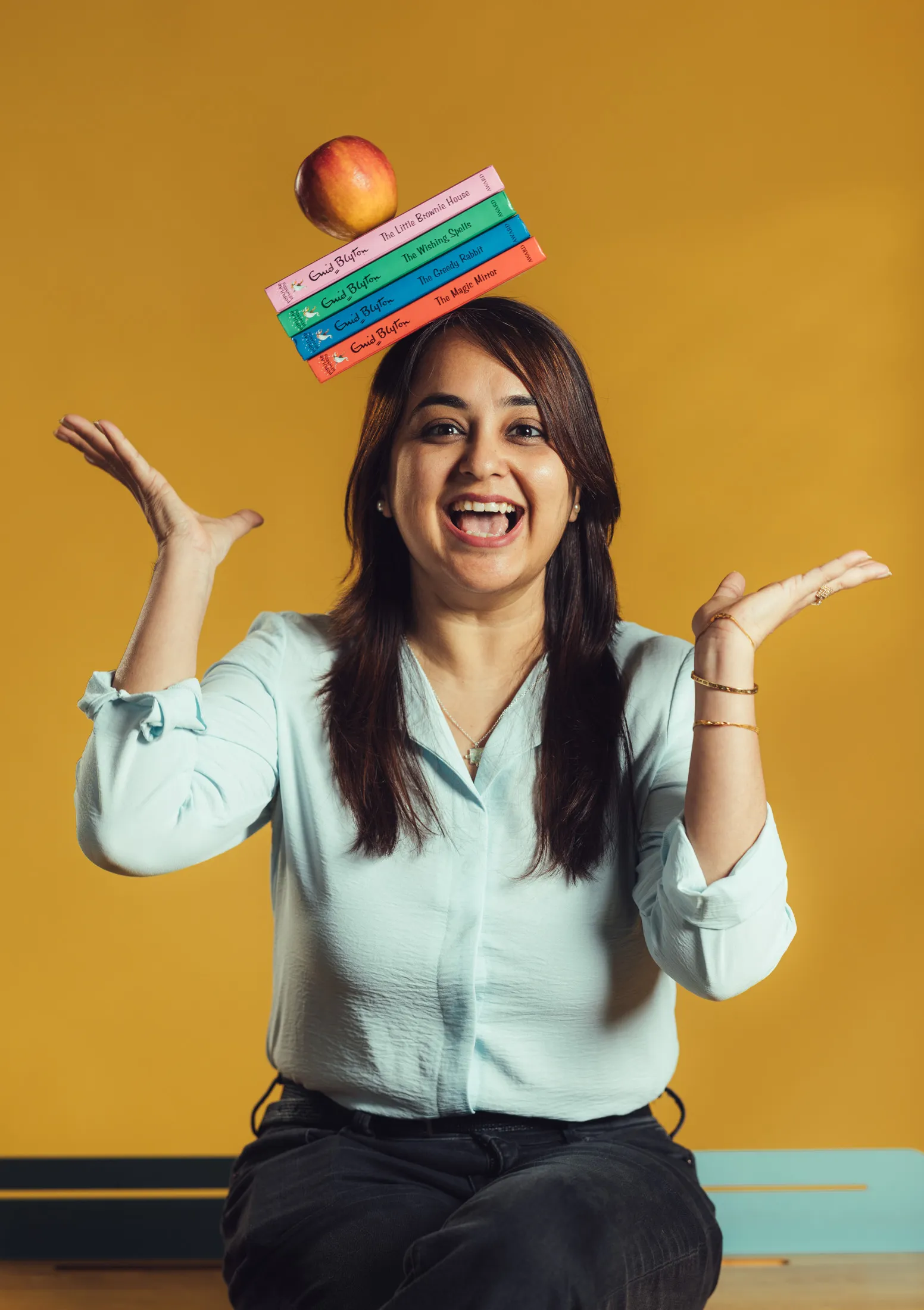
If you were to ask most students what assessment means, the answer would often be simple: marks, grades, and results. But what if assessment could tell us something far more meaningful: how a child thinks, how they make sense of the world, and how they are growing as a learner? As we come to the close of another academic year, it feels important to pause, not just to look at results or reports, but to reflect on something deeper: what our students have truly experienced, how they have grown, and how they are beginning to think. At the heart of this reflection is a simple but important idea, that is the kind of curriculum we choose shapes the kind of learner a child becomes.
One of the most noticeable aspects of the Middle Years Programme (MYP) is that assessment feels different. It moves beyond the familiar pattern of completing a paper and waiting for a score. It is not limited to right or wrong answers. Instead, students are asked to explain their thinking, apply their understanding in unfamiliar situations, make connections across subjects, and reflect on their learning. This shift can feel unfamiliar at first. It asks both students and adults to move away from the certainty that marks often provide. But it also brings us closer to a more meaningful question: Are students truly understanding, or are they simply remembering?
What makes this approach particularly significant is that it is not just philosophical, it is strongly supported by research. A recent study by the International Baccalaureate Organization, comparing IB and non-IB students globally, found that IB students consistently outperformed their peers in reading, mathematics, and scientific literacy, with no areas where non-IB students performed better. The study also highlights that MYP students perform above global benchmarks such as PISA, particularly in areas that require application, reasoning, and deeper thinking. What stands out even more is that these assessments are not based on rote learning; they are designed to measure how well students can use what they know in real-world contexts, skills that are essential in today’s world and central to what the MYP aims to develop.
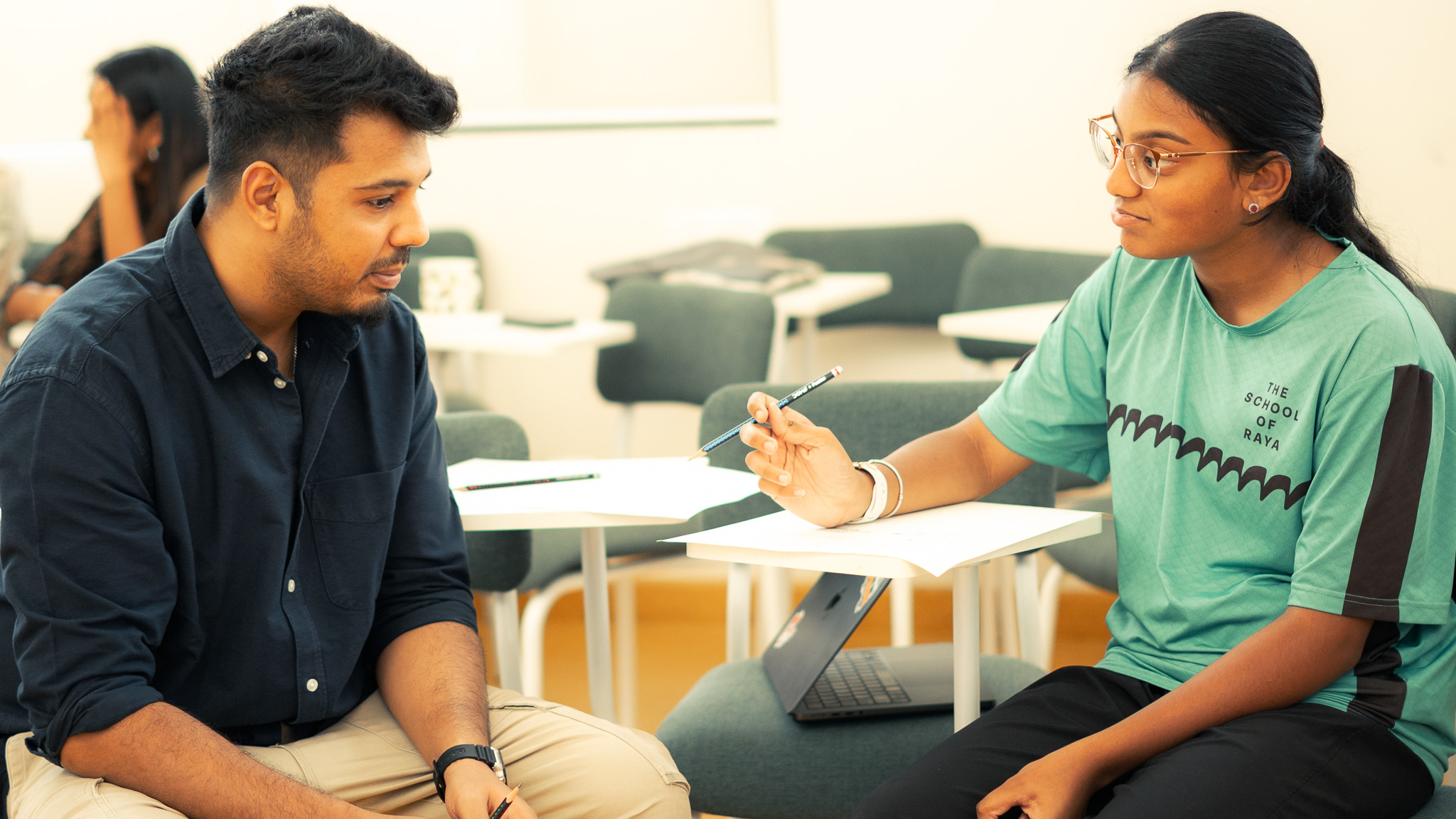
Over the past 2 decades, I have experienced this shift very closely, not only as an educator and a school leader, but also as a parent. Observing my own child’s learning journey within the IB continuum, has also significantly and gradually changed the way I look at education. The focus moves away from “How much did they score?” to “What have they understood? How are they thinking? Are they prepared to face the world full of uncertainties?”
This shift in how students learn leads to a meaningful change. Students begin to think more independently, ask questions that do not always have a single correct answer, and develop the confidence to express their ideas. It is a quieter form of growth, but one that is far more lasting.
From my experience as an educator at TSOR, I can share with confidence that this is not accidental, it is deeply intentional. Our approach to learning, and the way we assess it, is thoughtfully designed to move beyond marks and towards meaningful understanding. At Raya, this is closely aligned with our vision of nurturing individuals who are not just academically capable, but also self-aware, reflective, and able to engage meaningfully with the world around them.
In classrooms, this shift is visible in small but meaningful ways. Students begin to ask “why” instead of “is this correct,” connect ideas across subjects, and take ownership of their work rather than simply completing it. These moments may not always immediately reflect in grades, but they are strong indicators of deep learning. As educators, this is the kind of growth we value because it prepares students not just for assessments, but for the complexities of the world beyond school. As we reflect on the year gone by, what becomes clear is this: when students learn how to think, they do not just perform better, they grow better.
A recent example from our classrooms reflects this shift meaningfully. As part of the Conrad Challenge- a global innovation challenge, a group of our students worked on addressing iron deficiency in underprivileged communities by designing soluble water bubbles as a nutritional supplement. What stood out was not just the idea, but the process, students drew on concepts from both Science and Design, explored the feasibility of their solution, tested their thinking, and refined their approach based on real-world constraints. This work eventually became part of their Design assessment, demonstrating how learning moved seamlessly across subjects and into application.
It is in experiences like these that students begin to see learning and assessment as a way to understand and respond to real challenges in the world, something that reflects the kind of learning our parent community has consciously chosen for their children. I would like to acknowledge and congratulate our IB MYP parents for choosing a path that truly supports the needs of today’s learners.
The Future is Interdisciplinary
The world no longer asks for answers that fit neatly into boxes. It asks for people who can sit with complexity, notice patterns, and move comfortably between logic and imagination. Today’s challenges — climate change, mental health, technology ethics, food security — don’t belong to one subject. They belong to everyone.
At The School of Raya, we believe that interdisciplinary learning is not a trend. It is a necessity.
When Art Meets Science
In our Visual Arts classroom, students don’t just paint or sketch. They investigate. A recent unit had students exploring bioluminescence — the science of light produced by living organisms. What began as a biology concept became a design challenge: How do you represent invisible light? How do you make people feel wonder?
Students researched the chemistry, sketched organisms under microscopes, and created large-format paintings that captured both scientific accuracy and emotional resonance. The result was work that neither a pure science class nor a pure art class could have produced alone.
Curiosity as a Connector
Interdisciplinary learning works because curiosity doesn’t respect subject boundaries. When a student asks why van Gogh painted the way he did, the answer pulls in neuroscience, history, mental health, and colour theory. When they ask how music affects mood, they’re touching psychology, physics, and culture simultaneously.
We lean into those moments. We follow the question wherever it leads.
What This Builds in Students
Students who learn across disciplines develop the ability to transfer knowledge — to take a concept from one domain and apply it meaningfully in another. They become comfortable with ambiguity. They learn that not knowing is the beginning of inquiry, not a failure.
They also develop empathy. When you study a problem from multiple perspectives — historical, scientific, artistic, ethical — you begin to understand that most real issues are genuinely complex. That understanding changes how you engage with the world.
The future belongs to people who can think across boundaries. We are building those people, one question at a time.
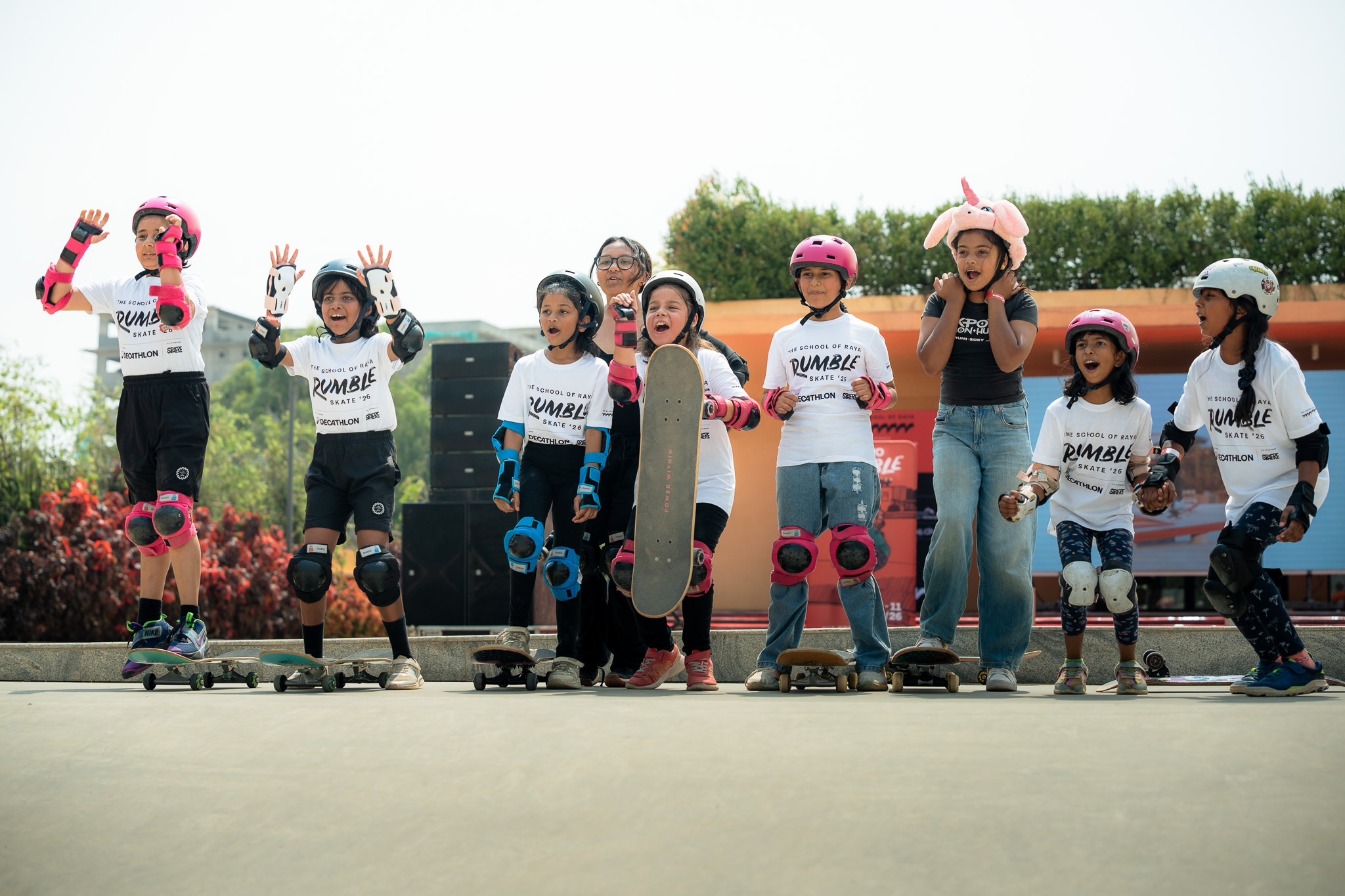
The School of Raya hosts Rumble ’26, a skateboarding platform in India

Bengaluru’s The School of Raya turns its campus into a hub for grassroots skateboarding and youth culture with Rumble ’26. Click here to read the press release.