Stories
From the classrooms, the campus and the people who built it.
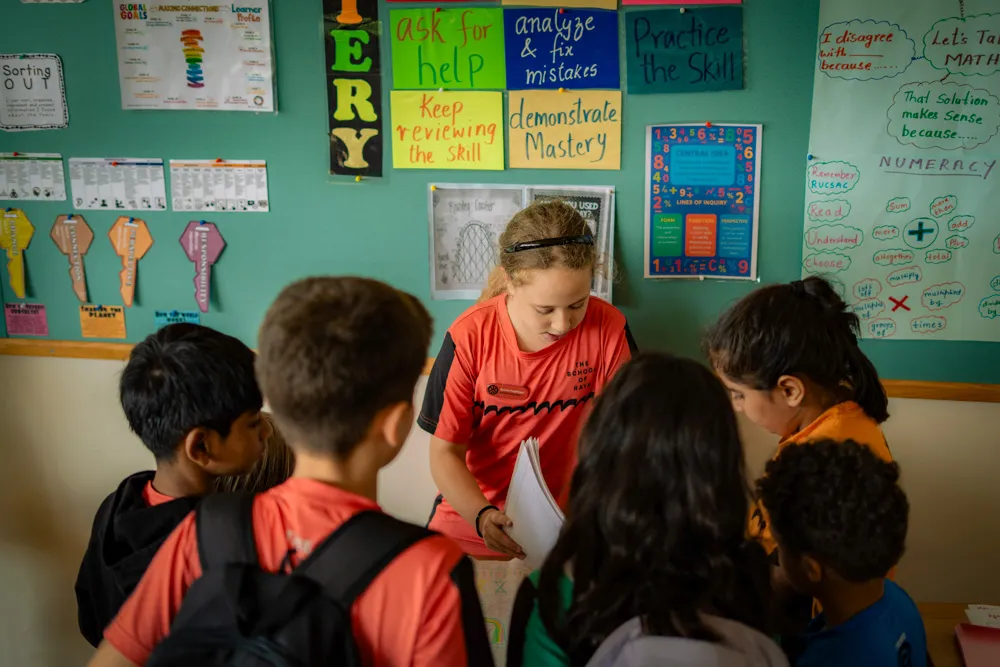
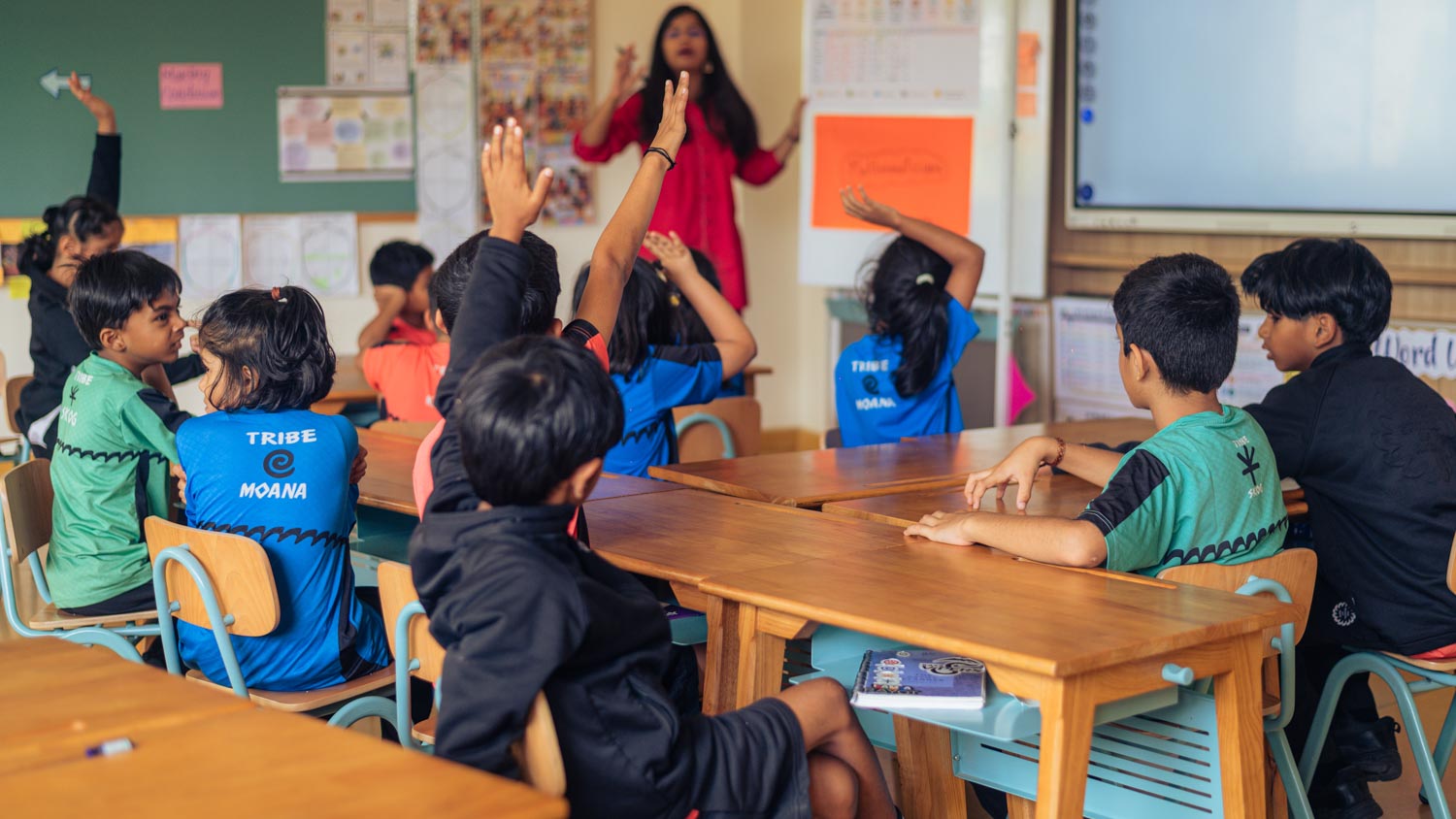
When Students Can See the Maths, They Can Talk About It
“Mathematics is a subject that is all about creativity, making connections, and sense-making.”
— Jo Boaler
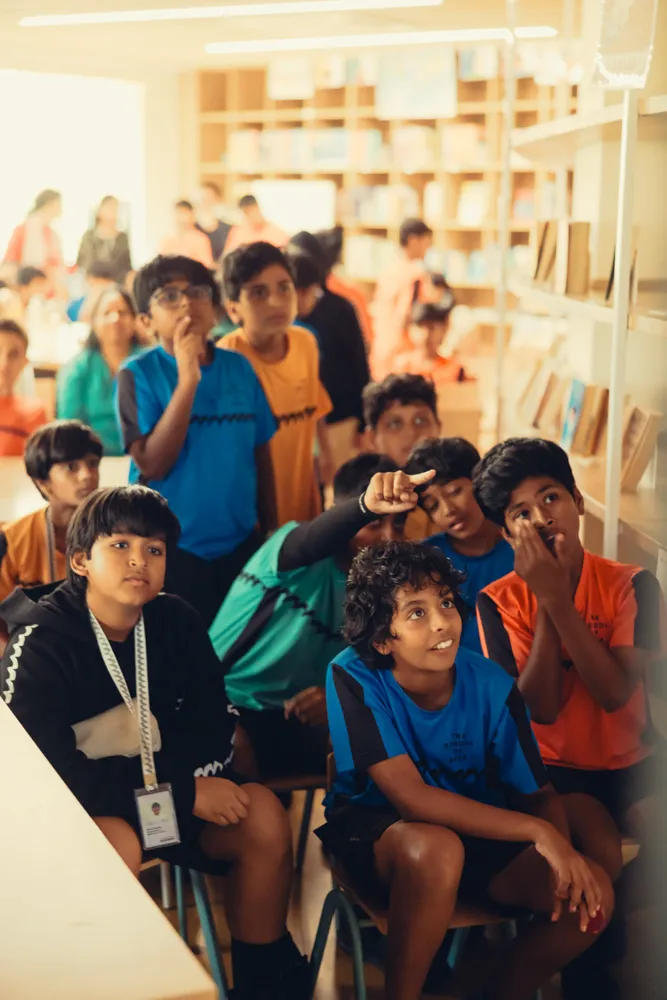
When students can see the maths, they can talk about it.
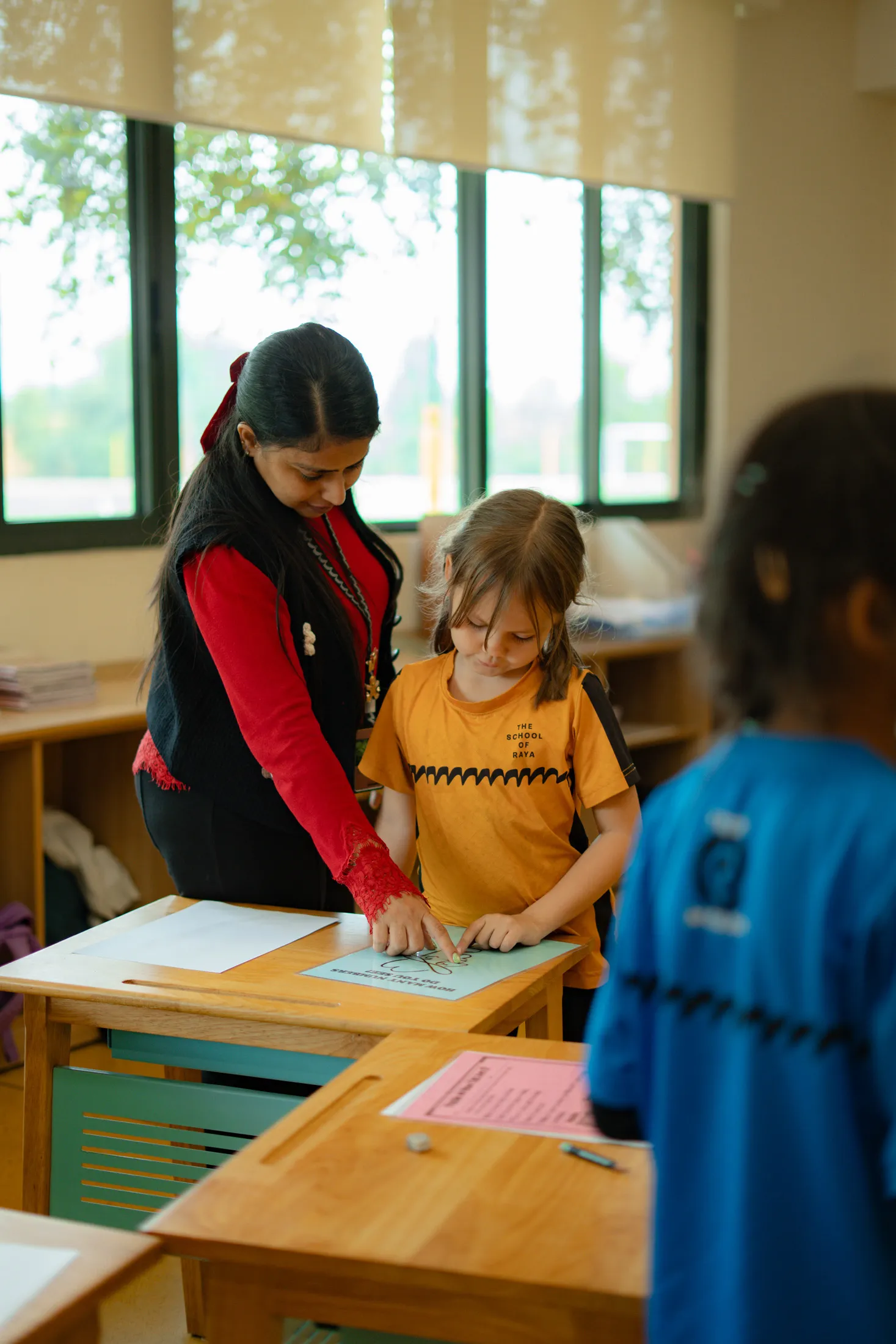
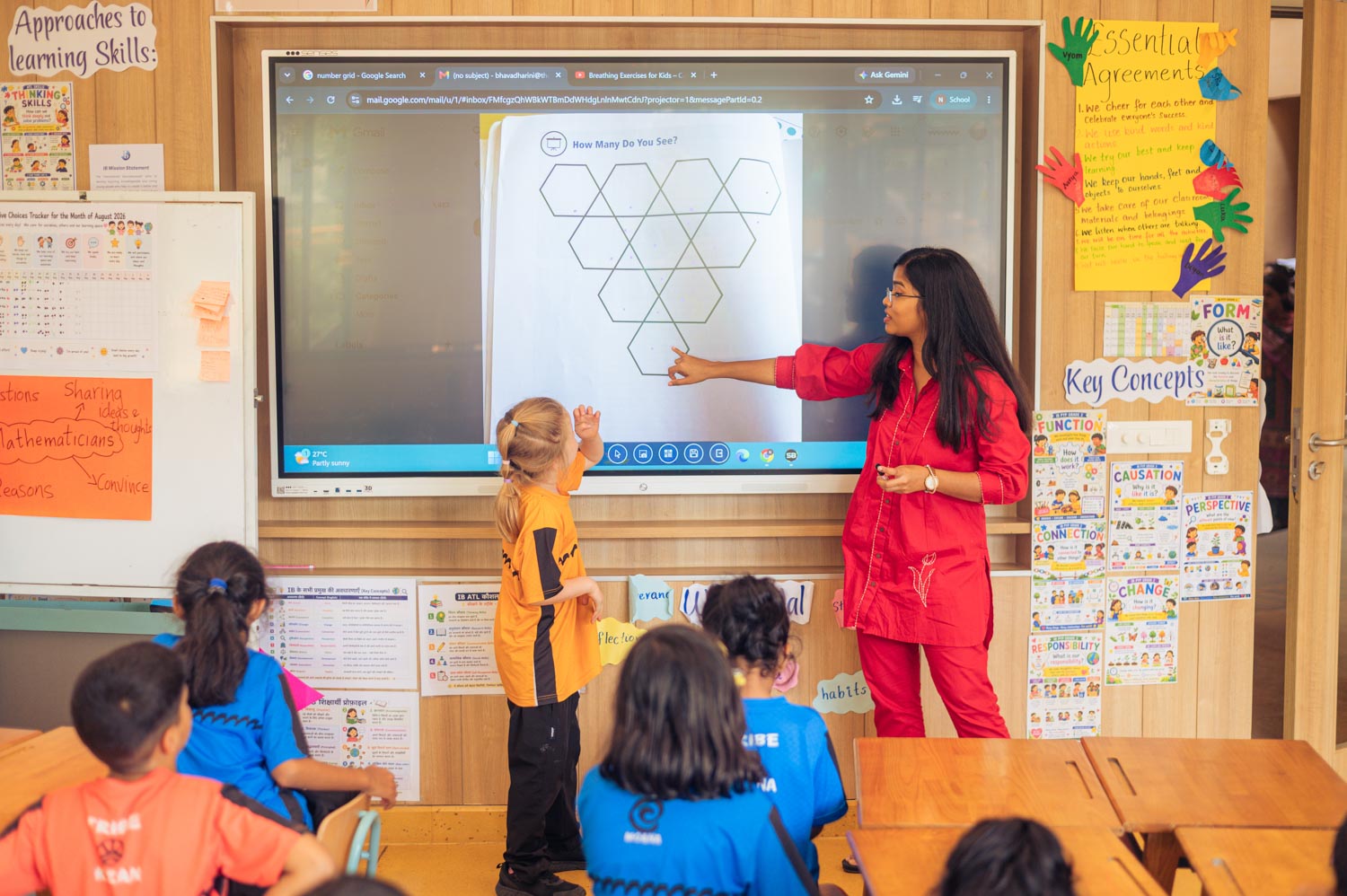
This became the core idea behind our Grade 2 Math Talk journey. It started with simple but intriguing mathematical images—dot patterns, tens frames, number lines and visual models—and invited students to look closely before looking for an answer. We wanted them to notice the mathematics, make connections and find a way to communicate what they were seeing.
The Answer Was Never the Whole Story
In mathematics, the final answer can sometimes hide the thinking that produced it. Two students can arrive at the same answer while seeing the mathematics in completely different ways. One might count, another might group, another might partition, while another might recognise a relationship immediately. We wanted Math Talk to open up those different ways of seeing.
We wanted students to experience the jobs of mathematicians—to explain, justify, convince, reason and share. The focus was not simply on whether students could solve a problem, but whether they could communicate the mathematical thinking behind their solution.
When a Picture Becomes Mathematics
The representations became particularly powerful because they helped make mathematical relationships visible. Students could see quantities, structures and connections that might otherwise have been difficult to hold in their minds.
Instead of carrying several relationships mentally, they had something in front of them that they could return to, manipulate and compare. This helped reduce some of the cognitive load involved in working with multiple pieces of mathematical information at once.
The visual was not there to make the mathematics more attractive.
It was there to make the mathematics easier to see and think about.
From “I Did It” to “I Know Why”
Once students had something they could see and work with, we needed to give them the language to communicate their thinking. We intentionally introduced mathematical vocabulary such as partition, compare, represent, strategy, justify, reason and convince.
These words were not introduced simply for students to remember. They became part of the way students communicated mathematical relationships and explained their choices. Their explanations began to move beyond what they had done towards why they had done it.
This connected strongly with Jo Boaler’s emphasis on mathematical reasoning. Explaining mathematical work is not something that happens after the mathematics; it is part of the mathematics. A correct answer could tell us where a student had arrived. Their explanation helped us understand how they had got there.
Let the Mathematics Do the Talking
As Math Talk developed, we began listening beyond the final answer. Could students explain a relationship? Could they justify a strategy? Could they use evidence to support their thinking? Could they compare different approaches and explain what they noticed?
The jobs of mathematicians began to become part of the mathematical work itself. Students were explaining, justifying, convincing, reasoning and sharing ideas that could be examined. An answer could become the beginning of another question rather than the end of the task. A strategy could be challenged. A representation could reveal something unexpected. Students could return to the mathematics and ask:
“What makes this make sense?”
What Happens When the Answer Doesn't Work?
Some of the richest moments came when students were unsure. A strategy might lead to an unexpected answer, a representation might reveal something they had not anticipated, or a problem might reach a point where they did not know what to try next.
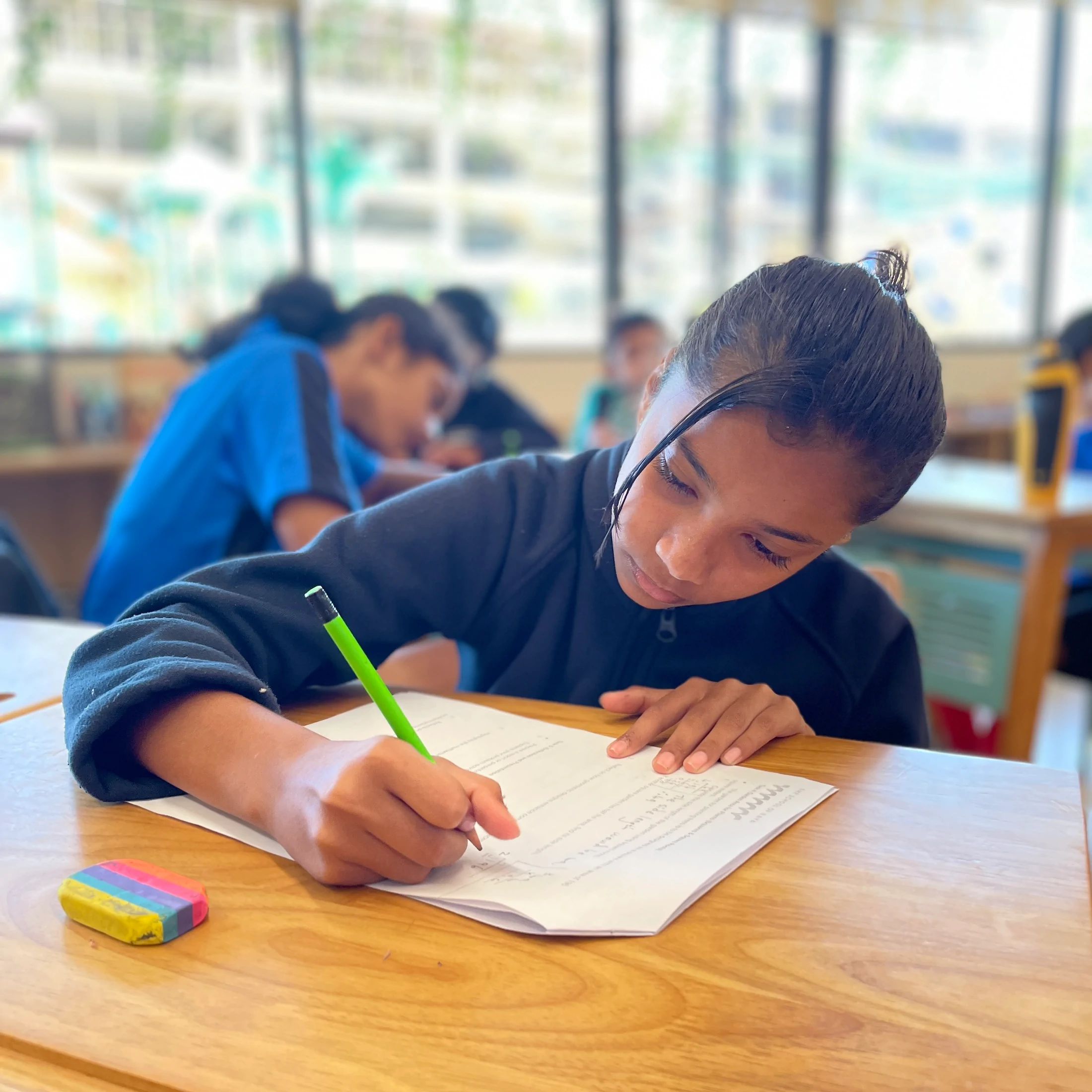
Instead of immediately providing another procedure, we gave students time to stay with the mathematics. They could return to the representation, rearrange the objects, redraw the model, adjust the number line or try representing the problem in another way. Gradually, students became more willing to remain in that uncertainty. They tried another possibility, reconsidered an earlier idea and continued working when their first approach did not succeed.
This changed the way we looked at mistakes too. An unexpected answer could reveal something about how a student was thinking. Rather than treating the mistake only as something to correct, we could use the representation to investigate the reasoning behind it. Jo Boaler’s idea that “Every time a student makes a mistake in math, they grow a synapse” resonated with this approach. The value was not in making a mistake, but in what the mistake allowed us to investigate.
Slow Down. There Is More Mathematics Here.
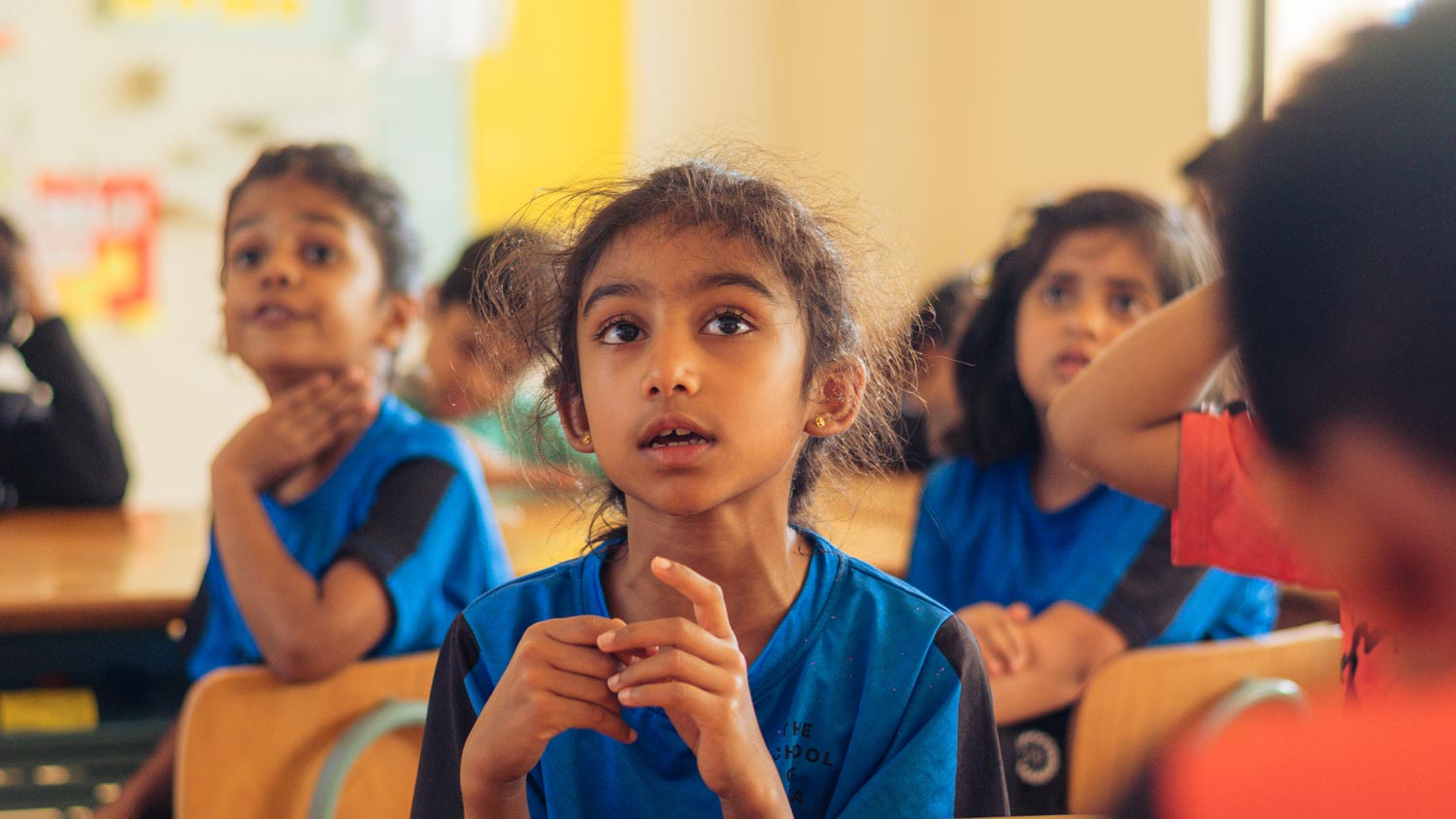
Another idea from Boaler resonated strongly with our experience: some mathematicians are not particularly fast with numbers because they “think deeply and carefully about mathematics.” This challenged the assumption that speed is a measure of mathematical ability. Math Talk created space for students to pause, look again, represent an idea and reason before moving forward. Sometimes, slowing down was what allowed students to see something they had missed the first time.
One Idea, Many Ways to See It
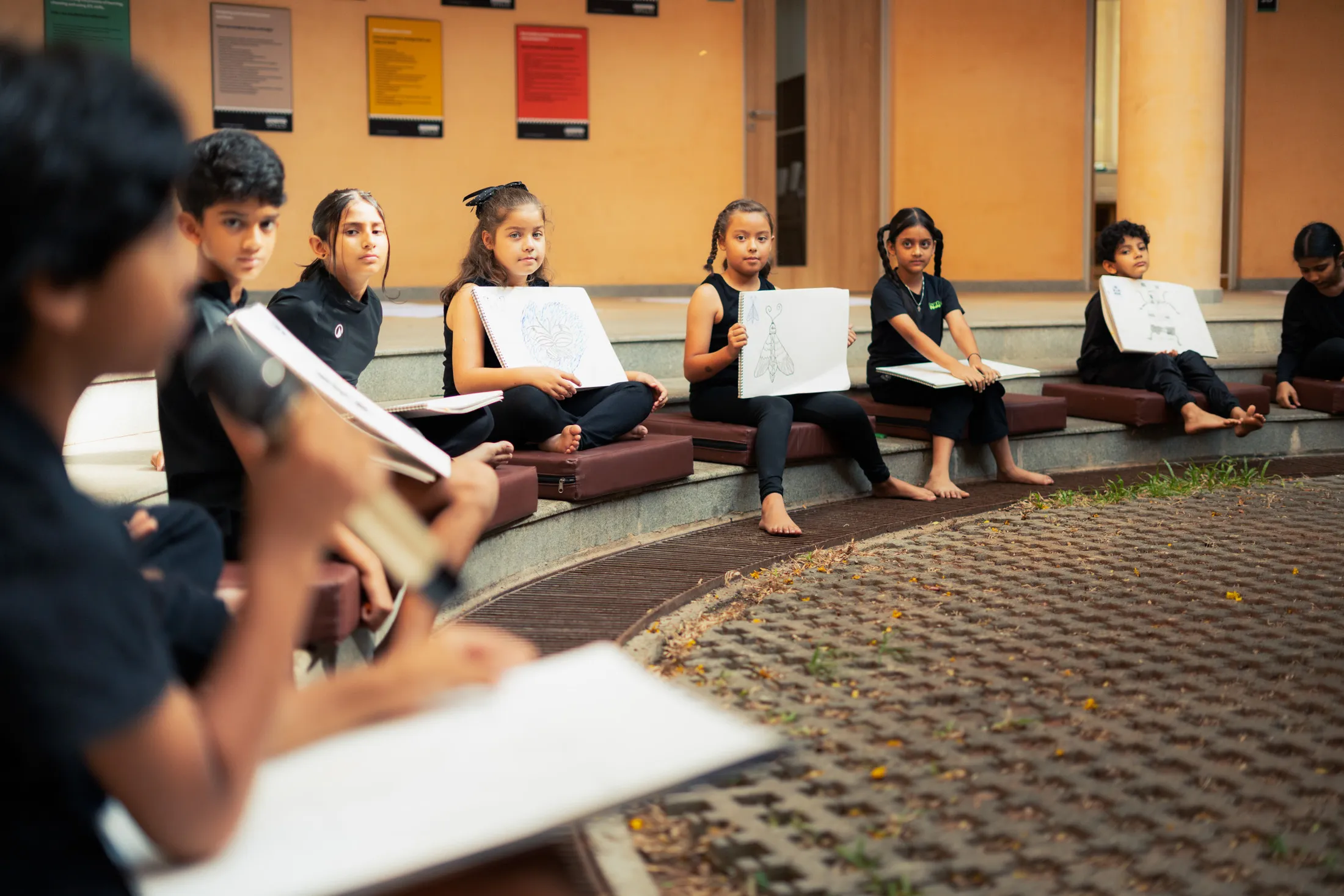
As students became familiar with different representations, they began to recognise that the same mathematical idea could look different depending on how it was represented. A tens frame might reveal composition. An open number line might make jumps and relationships visible. A drawing might expose the structure of a problem. An equation might express the same relationship symbolically.
This led to an important question:
What does each representation help us see?
Students began to understand that representations were not simply different ways of recording an answer. Each could reveal something different about mathematics.
When the Thinking Travels
The next question was whether these ways of thinking would transfer when the mathematical context changed. We began noticing students using mathematical practices in situations that did not look exactly like the examples they had encountered before. They could represent an unfamiliar problem, look for relationships and draw on reasoning even when a familiar procedure was not immediately available.
Transfer was not simply remembering a strategy. It was knowing when mathematical thinking could help.
This was also where we began to see students making more decisions within mathematics. They could consider which representation might help, how they could show their thinking and which strategy might make sense for the problem in front of them.
They were not simply waiting for the next instruction.
They were beginning to decide how to enter mathematics.
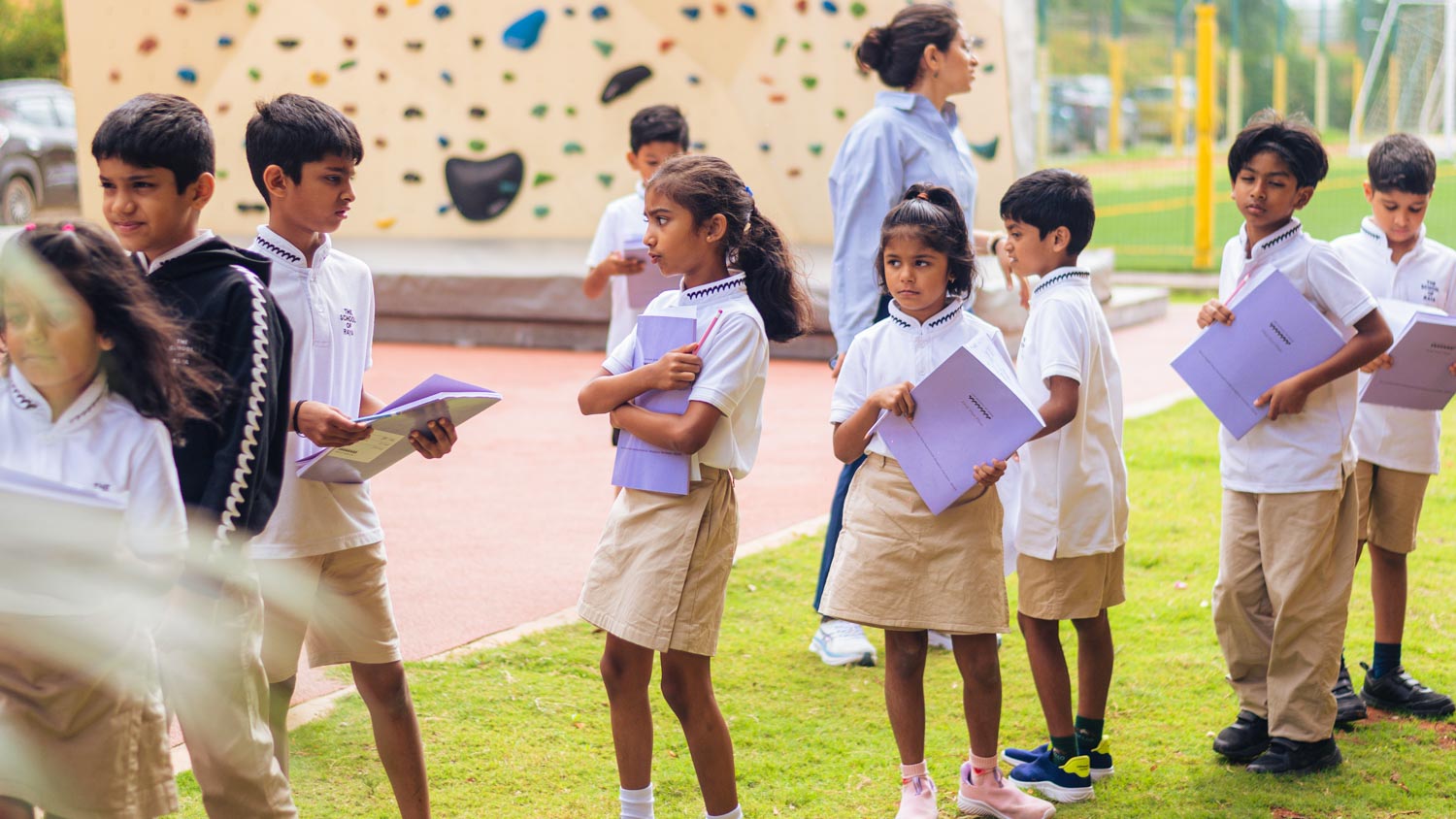
Looking back, the shift was not simply about students talking more. It was about giving students more ways to see, represent and reason about mathematics. The visual representation gave mathematical thinking a form. Language helped students articulate it. Math Talk gave them a space to examine it. Difficult moments gave them opportunities to revisit and rethink. Different representations opened possibilities for mathematical choice, and these practices began to travel into new situations.
What began with mathematical provocations and visual representations gradually became a different way of approaching mathematics. Students were not only looking for an answer; they were looking for relationships, making sense of what they saw, explaining their choices and deciding how they wanted to approach a problem.
Ultimately, the question is not simply, “Can the child get the answer?”
It is: “Can the child see mathematics, make sense of it, represent it, explain it, justify it, convince others and reason about it?”
Because when students can see the maths, they can talk about it. And when they can talk about it, they can begin to do the jobs of mathematicians.
A New School Year Begins: More Than a Fresh Start

There is something quietly powerful about the beginning of a new school year.
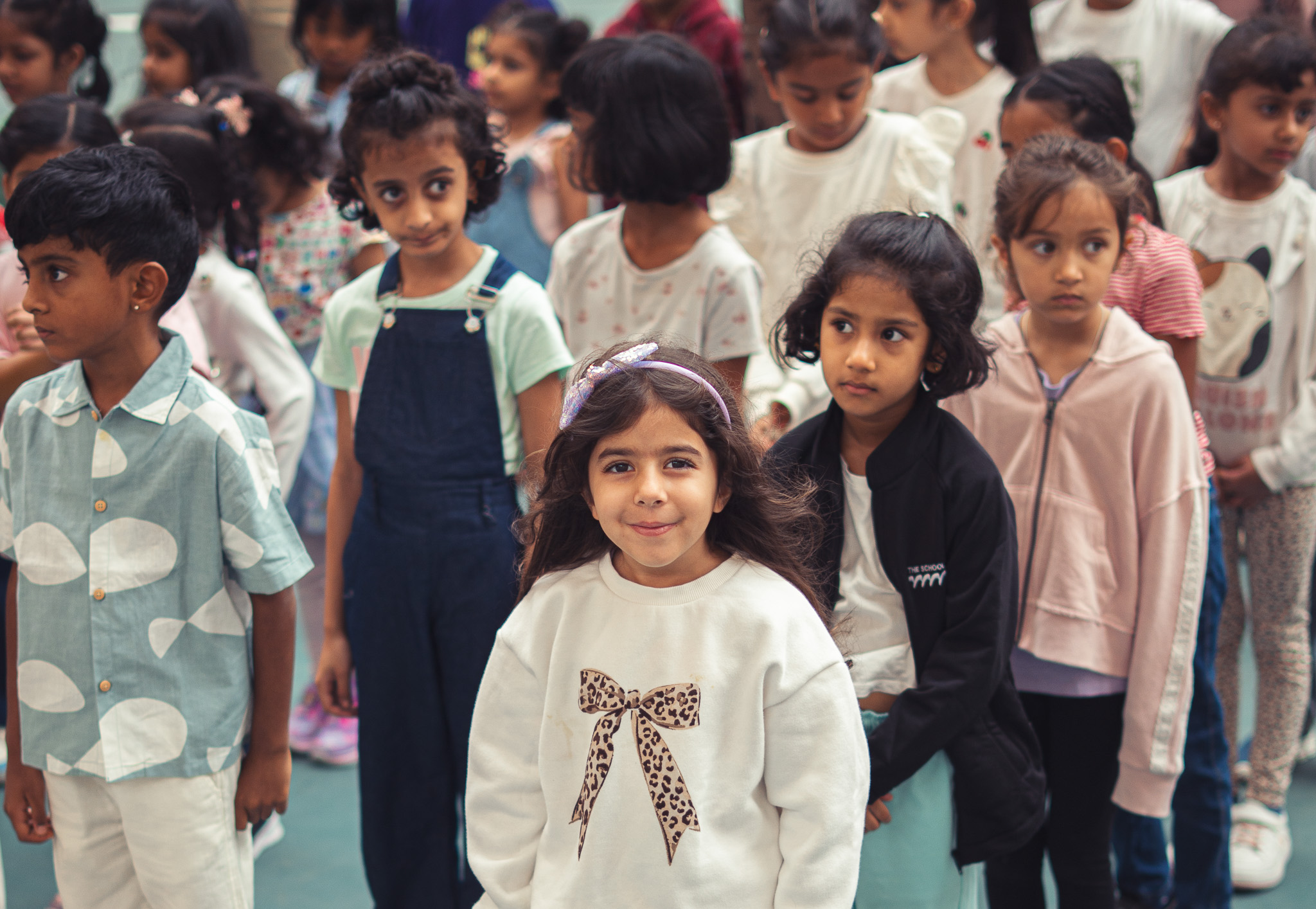
The classrooms may be familiar, the routines may return, but every new academic year brings fresh questions, new relationships, and opportunities waiting to unfold. At The School of Raya, we see this moment as far more than the start of another term. It is the beginning of another chapter in every learner's journey of curiosity, purpose, and growth.
As an IB Continuum School in Bangalore, we believe that meaningful learning begins not with answers, but with questions.
Why does this happen?
How can this be improved?
What if we looked at it differently?
This spirit of inquiry lies at the heart of the International Baccalaureate (IB) philosophy. From the Primary Years Programme (PYP) through the Middle Years Programme (MYP) and the Diploma Programme (DP), our learners are encouraged to investigate, collaborate, reflect, and connect their learning to the world around them.
Learning Beyond the Classroom
Education is about more than academic achievement. It is about nurturing young people who think critically, communicate with empathy, embrace creativity, and lead with confidence.
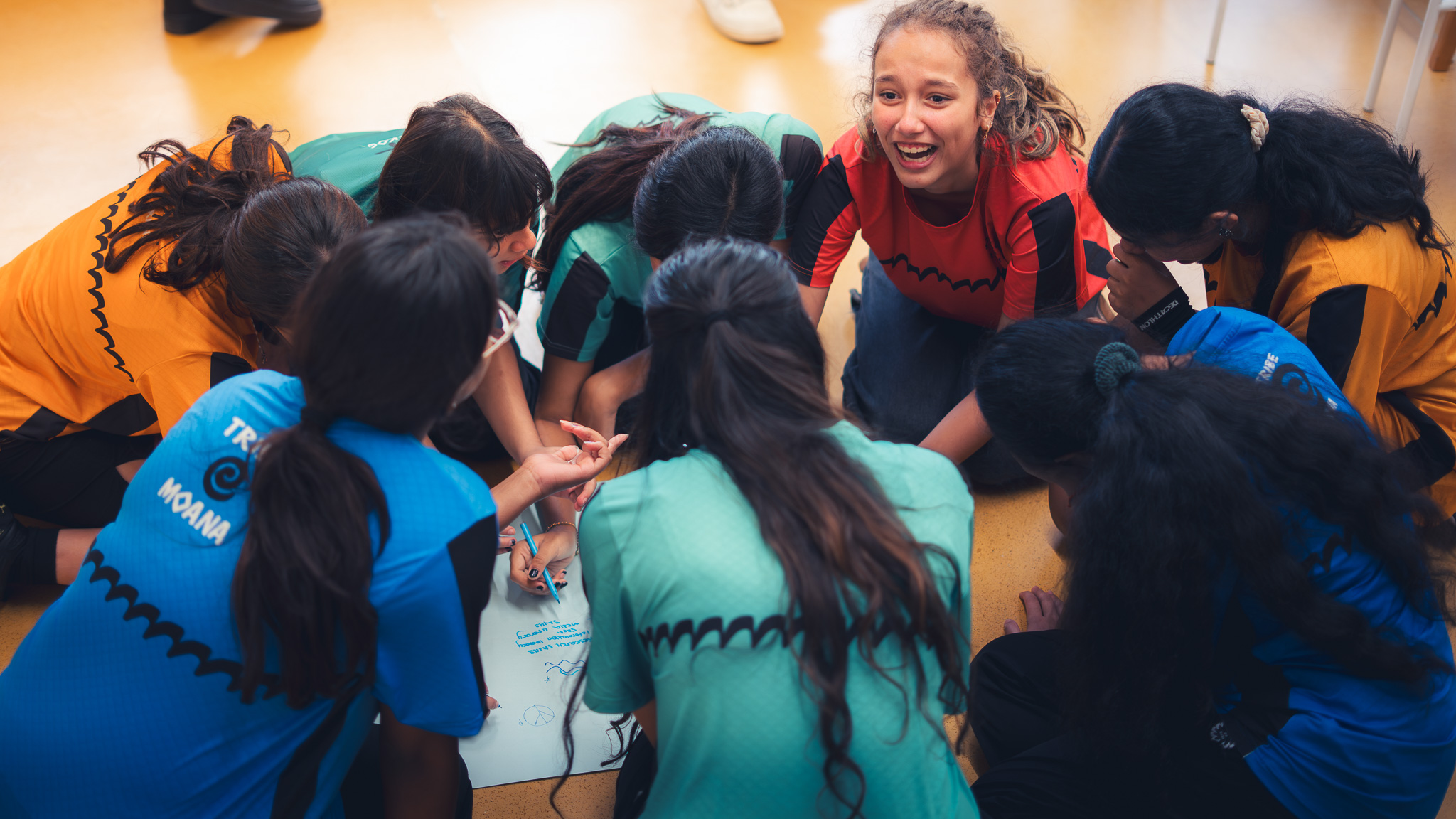
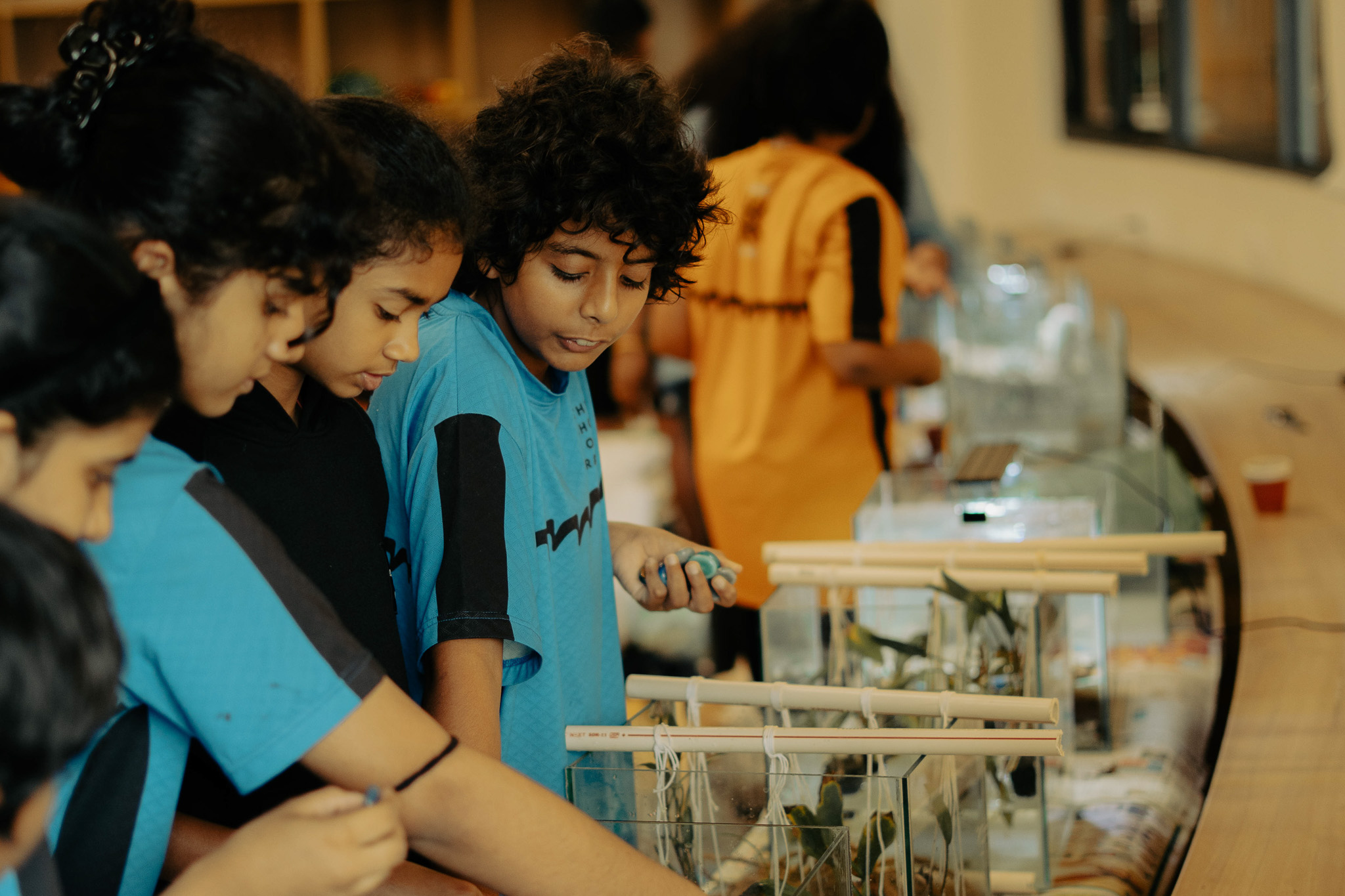
A day at Raya might begin with scientific exploration, continue with hands-on making in the Makers' Atelier, and conclude on the sports field, in the arts studio, or through collaborative projects. These experiences are not additions to learning—they are learning.
This holistic approach helps develop balanced, resilient individuals who are prepared not only for university, but for life.
Every Learner Has a Voice
At Raya, we believe every learner deserves to be heard.
When students are encouraged to ask questions, share ideas, make choices, and reflect on their learning, they develop confidence, ownership, and a genuine love for discovery. Student agency is not simply encouraged—it is woven into the everyday learning experience.
Growing Together
A new school year also marks the beginning of renewed partnerships between learners, educators, and families. Together, we create an environment where curiosity is celebrated, wellbeing is valued, and every child feels a strong sense of belonging.
These relationships form the foundation of meaningful learning and lasting growth.
Looking Ahead
The future will demand more than knowledge alone. It will require learners who can think independently, adapt with resilience, collaborate across cultures, and approach challenges with confidence and compassion.
That is the promise of an IB Continuum education—a seamless journey that prepares young people not only for examinations, but for a lifetime of purposeful learning.
As we welcome another school year, we also welcome new possibilities.
New ideas.
New discoveries.
New beginnings.
Because at The School of Raya, every school year is more than a fresh start.
It is another step towards becoming.

MYP and Meaningful Learning: What Research Shows
If you were to ask most students what assessment means, the answer would often be simple: marks, grades, and results. But what if assessment could tell us something far more meaningful: how a child thinks, how they make sense of the world, and how they are growing as a learner? As we come to the close of another academic year, it feels important to pause, not just to look at results or reports, but to reflect on something deeper: what our students have truly experienced, how they have grown, and how they are beginning to think. At the heart of this reflection is a simple but important idea, that is the kind of curriculum we choose shapes the kind of learner a child becomes.
One of the most noticeable aspects of the Middle Years Programme (MYP) is that assessment feels different. It moves beyond the familiar pattern of completing a paper and waiting for a score. It is not limited to right or wrong answers. Instead, students are asked to explain their thinking, apply their understanding in unfamiliar situations, make connections across subjects, and reflect on their learning. This shift can feel unfamiliar at first. It asks both students and adults to move away from the certainty that marks often provide. But it also brings us closer to a more meaningful question: Are students truly understanding, or are they simply remembering?
What makes this approach particularly significant is that it is not just philosophical, it is strongly supported by research. A recent study by the International Baccalaureate Organization, comparing IB and non-IB students globally, found that IB students consistently outperformed their peers in reading, mathematics, and scientific literacy, with no areas where non-IB students performed better. The study also highlights that MYP students perform above global benchmarks such as PISA, particularly in areas that require application, reasoning, and deeper thinking. What stands out even more is that these assessments are not based on rote learning; they are designed to measure how well students can use what they know in real-world contexts, skills that are essential in today’s world and central to what the MYP aims to develop.
Over the past 2 decades, I have experienced this shift very closely, not only as an educator and a school leader, but also as a parent. Observing my own child’s learning journey within the IB continuum, has also significantly and gradually changed the way I look at education. The focus moves away from “How much did they score?” to “What have they understood? How are they thinking? Are they prepared to face the world full of uncertainties?”
This shift in how students learn leads to a meaningful change. Students begin to think more independently, ask questions that do not always have a single correct answer, and develop the confidence to express their ideas. It is a quieter form of growth, but one that is far more lasting.
From my experience as an educator at TSOR, I can share with confidence that this is not accidental, it is deeply intentional. Our approach to learning, and the way we assess it, is thoughtfully designed to move beyond marks and towards meaningful understanding. At Raya, this is closely aligned with our vision of nurturing individuals who are not just academically capable, but also self-aware, reflective, and able to engage meaningfully with the world around them.
In classrooms, this shift is visible in small but meaningful ways. Students begin to ask “why” instead of “is this correct,” connect ideas across subjects, and take ownership of their work rather than simply completing it. These moments may not always immediately reflect in grades, but they are strong indicators of deep learning. As educators, this is the kind of growth we value because it prepares students not just for assessments, but for the complexities of the world beyond school. As we reflect on the year gone by, what becomes clear is this: when students learn how to think, they do not just perform better, they grow better.
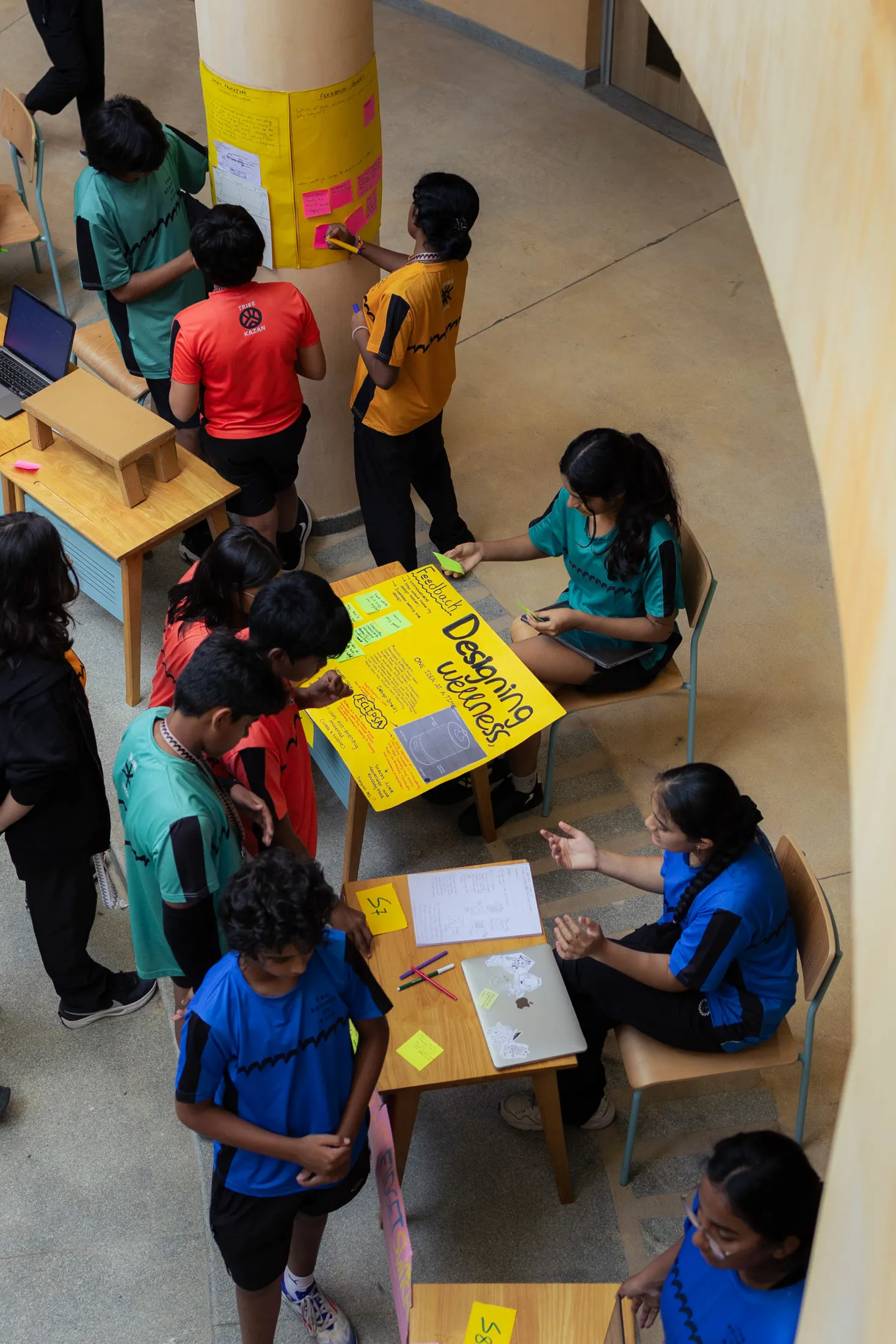
A recent example from our classrooms reflects this shift meaningfully. As part of the Conrad Challenge- a global innovation challenge, a group of our students worked on addressing iron deficiency in underprivileged communities by designing soluble water bubbles as a nutritional supplement. What stood out was not just the idea, but the process, students drew on concepts from both Science and Design, explored the feasibility of their solution, tested their thinking, and refined their approach based on real-world constraints. This work eventually became part of their Design assessment, demonstrating how learning moved seamlessly across subjects and into application.
It is in experiences like these that students begin to see learning and assessment as a way to understand and respond to real challenges in the world, something that reflects the kind of learning our parent community has consciously chosen for their children. I would like to acknowledge and congratulate our IB MYP parents for choosing a path that truly supports the needs of today’s learners.
The Future is Interdisciplinary
The world no longer asks for answers that fit neatly into boxes. It asks for people who can sit with complexity, notice patterns, and move comfortably between logic and imagination. Today’s challenges — climate change, mental health, technology ethics, food security — don’t belong to one subject. They belong to everyone.
At The School of Raya, we believe that interdisciplinary learning is not a trend. It is a necessity.
When Art Meets Science
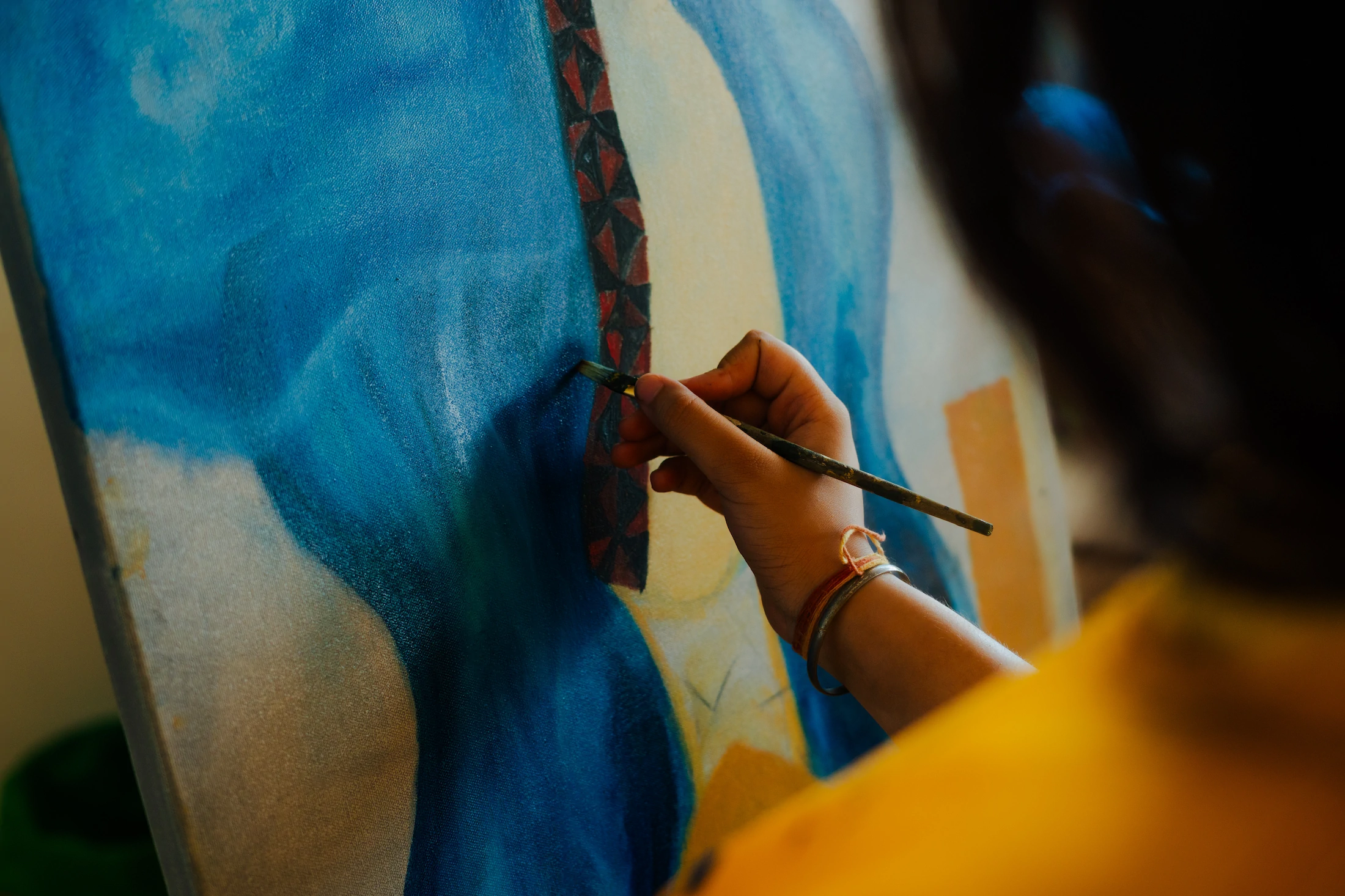
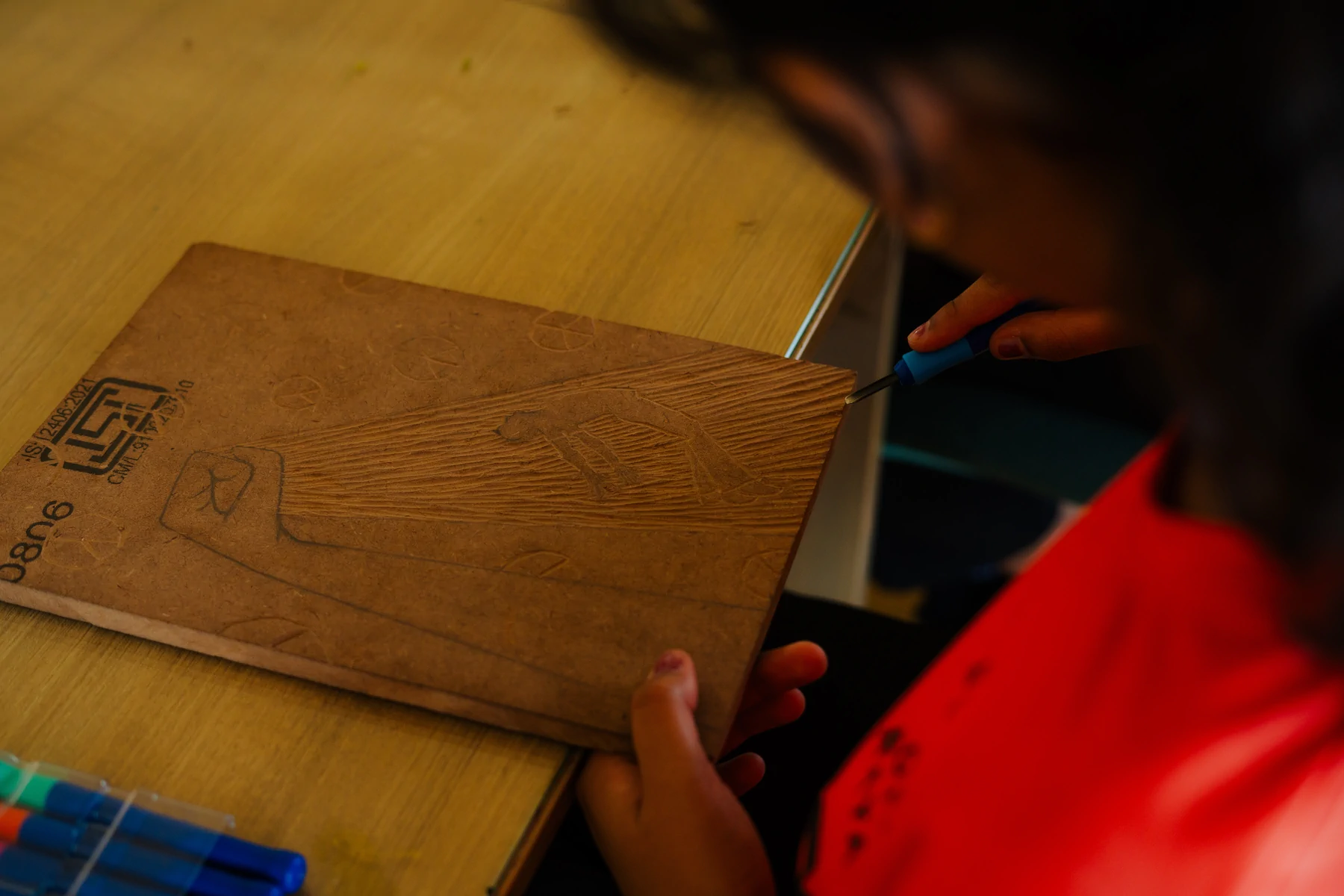
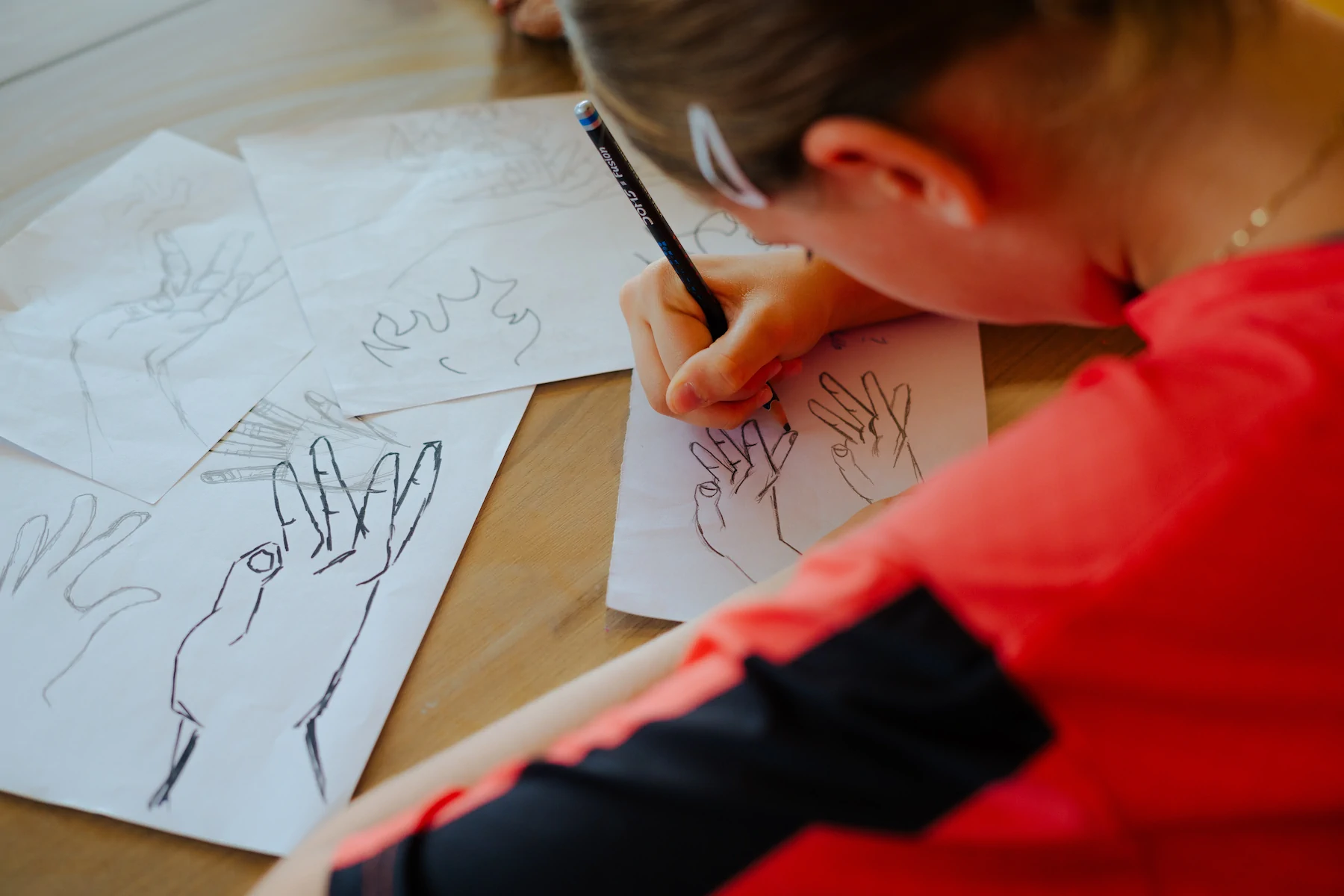
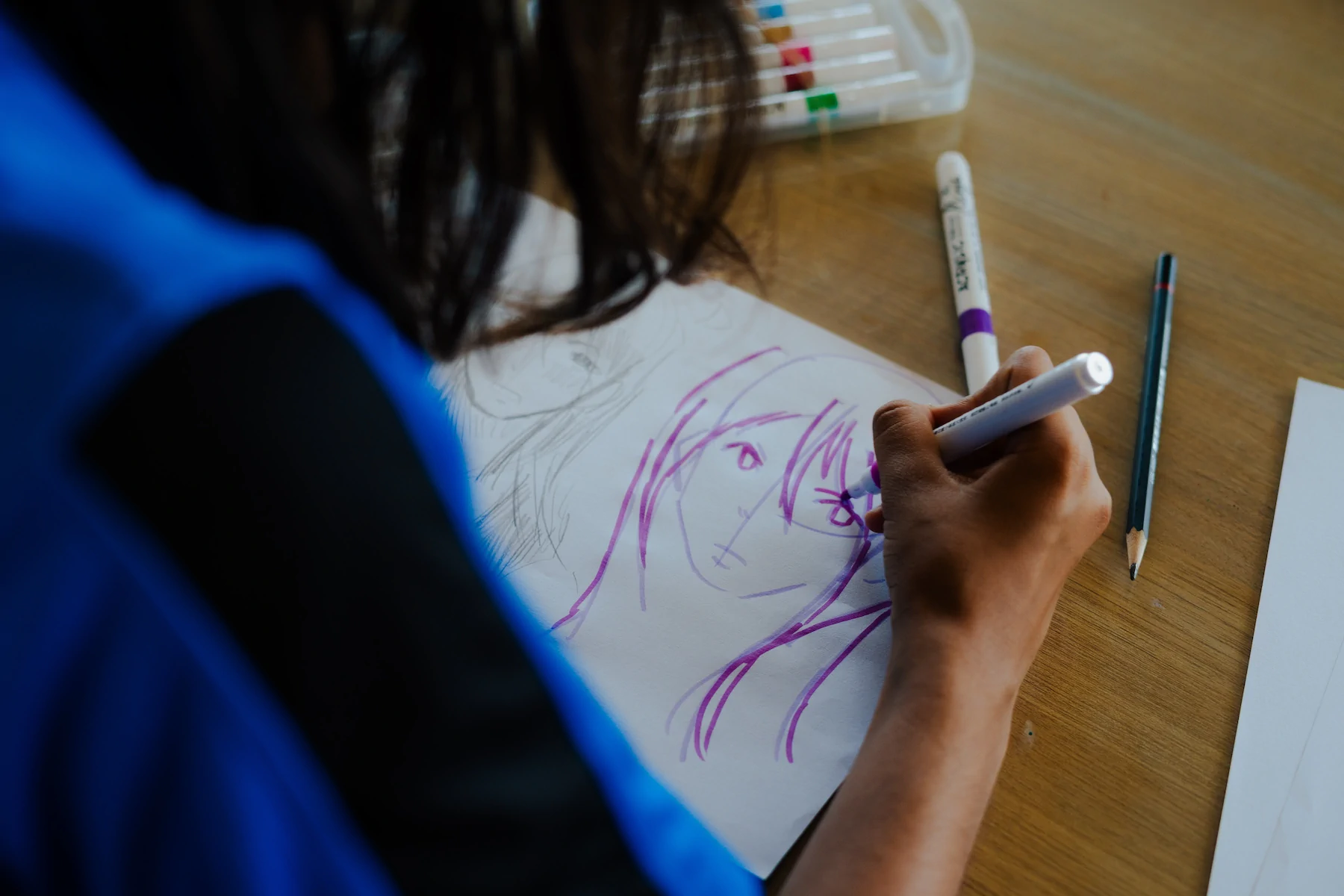
In our Visual Arts classroom, students don’t just paint or sketch. They investigate. A recent unit had students exploring bioluminescence — the science of light produced by living organisms. What began as a biology concept became a design challenge: How do you represent invisible light? How do you make people feel wonder?
Students researched the chemistry, sketched organisms under microscopes, and created large-format paintings that captured both scientific accuracy and emotional resonance. The result was work that neither a pure science class nor a pure art class could have produced alone.
Curiosity as a Connector
Interdisciplinary learning works because curiosity doesn’t respect subject boundaries. When a student asks why van Gogh painted the way he did, the answer pulls in neuroscience, history, mental health, and colour theory. When they ask how music affects mood, they’re touching psychology, physics, and culture simultaneously.
We lean into those moments. We follow the question wherever it leads.
What This Builds in Students
Students who learn across disciplines develop the ability to transfer knowledge — to take a concept from one domain and apply it meaningfully in another. They become comfortable with ambiguity. They learn that not knowing is the beginning of inquiry, not a failure.
They also develop empathy. When you study a problem from multiple perspectives — historical, scientific, artistic, ethical — you begin to understand that most real issues are genuinely complex. That understanding changes how you engage with the world.
The future belongs to people who can think across boundaries. We are building those people, one question at a time.
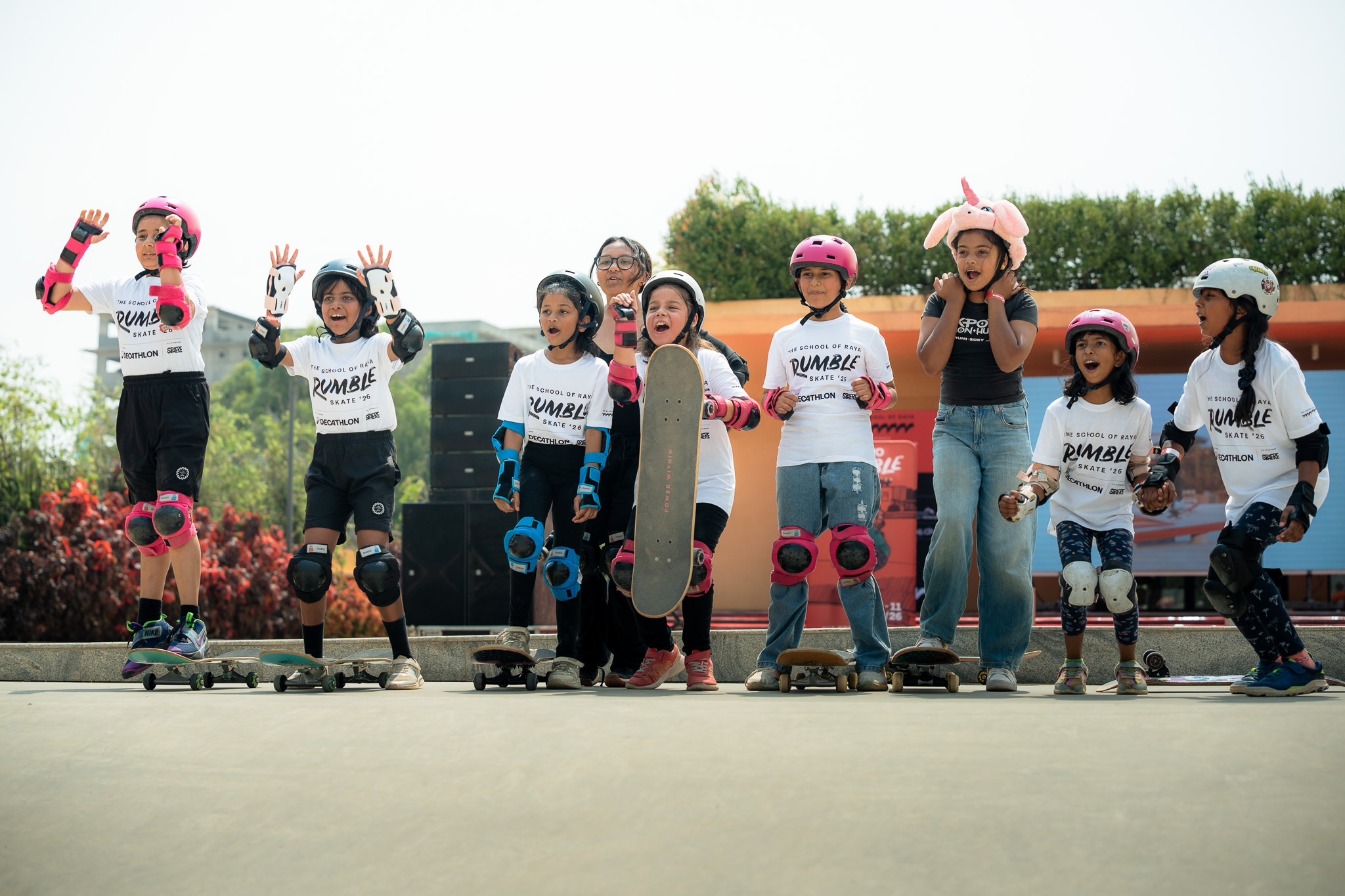
The School of Raya hosts Rumble ’26, a skateboarding platform in India

Bengaluru’s The School of Raya turns its campus into a hub for grassroots skateboarding and youth culture with Rumble ’26. Click here to read the press release.
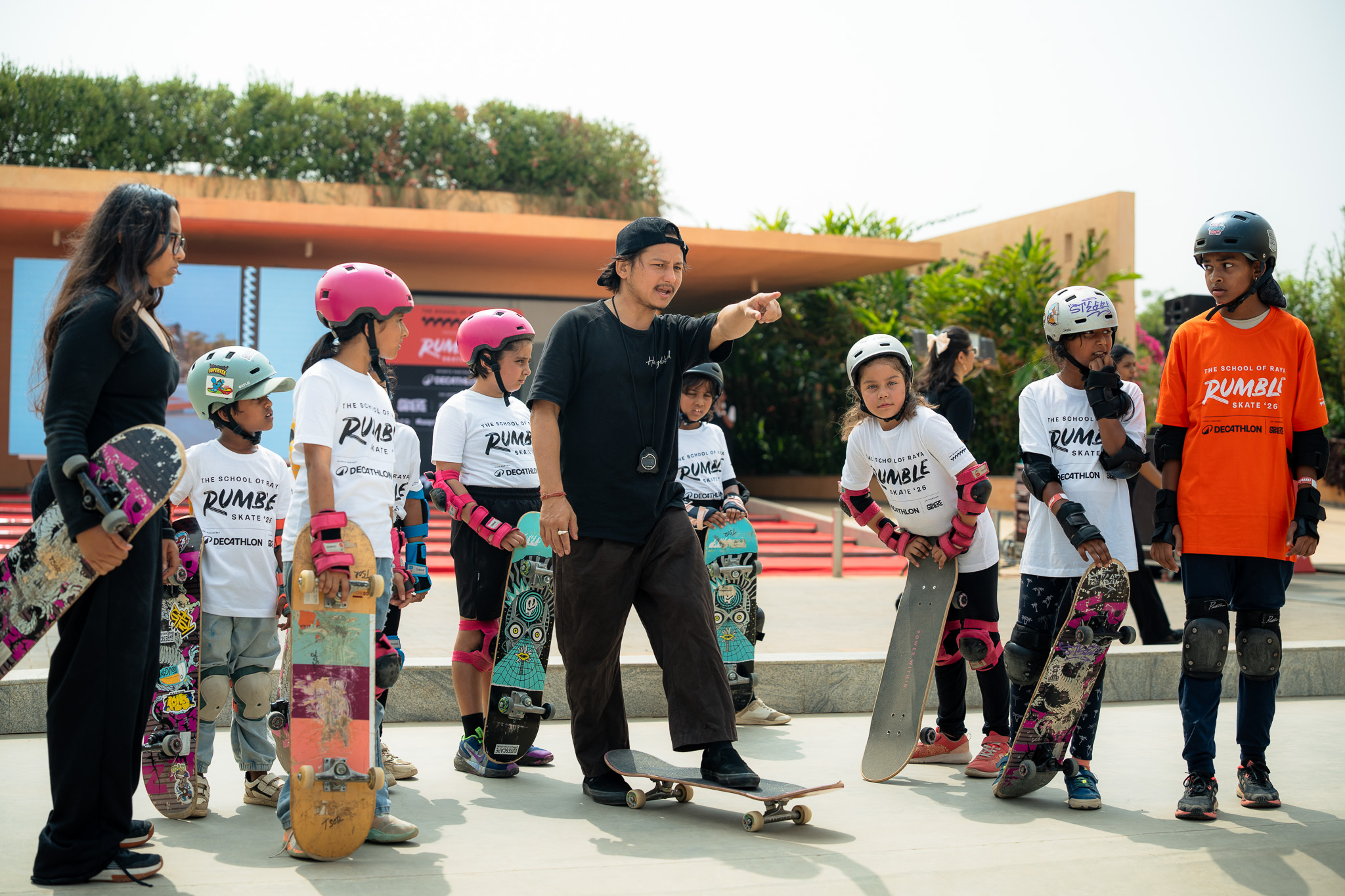
Skateboarding Soars: India's Rumble Skate '26 Takes Center Stage
.jpg)
Rumble Skate '26 hosted by The School of Raya in Bengaluru, epitomizes the surge of skateboarding in India. Click here to read the press release.
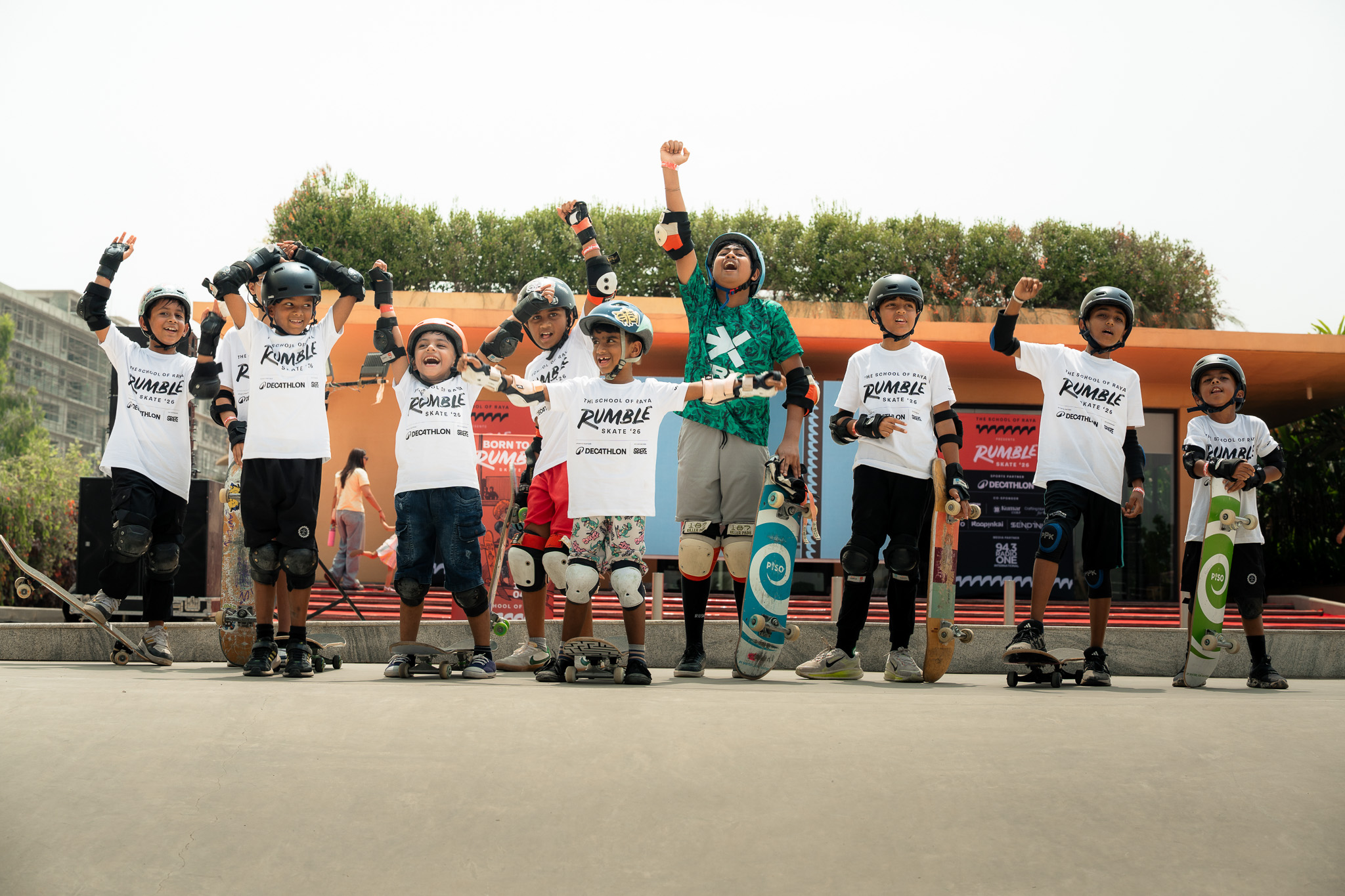
From Classrooms to Skateparks: The School of Raya Hosts ‘Rumble ’26’, a Growing Platform for Skateboarding in India

The School of Raya is creating one of India's most exciting platforms for skateboarding while redefining the role of sport in education. Click here to read the press release.
The Stories We Tell, The Choices We Make
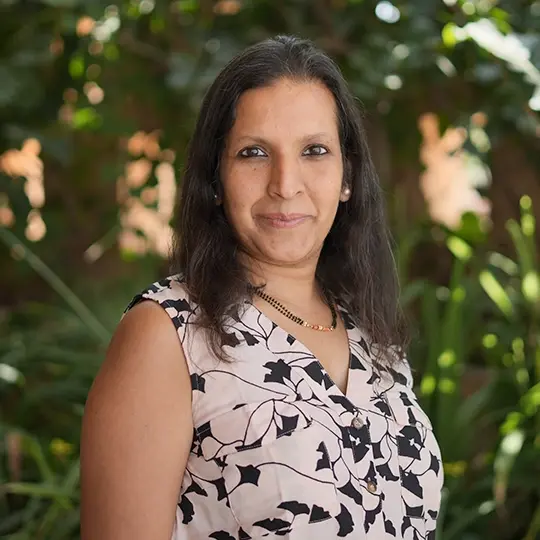
Long before anyone else could see it, a quiet story was already taking shape in his mind. He was a student who loved art. Not just as a subject, but as a way of thinking. He sketched in the margins of his notebooks, stayed back after school to work on designs, saw the world in lines and patterns, and found comfort in creating. As high school progressed, the questions grew louder: What next? What will you choose?
Architecture seemed like the obvious path, where his love for art could meet something more structured. But the decision did not come easily. His teachers saw his potential and strongly encouraged him, while at home, his parents held on to dreams of stability and recognition for him. In the middle of all these voices, his own felt the quietest present, but often unheard.
Through conversations and stories of others who had navigated similar crossroads, he began to pause and reflect: Do I see myself doing this every day? Will I still have space for my creativity? Is there a way to choose both structure and freedom?
Instead of rushing, he started exploring universities that offered architecture with room for artistic expression, places where his passion did not have to be left behind. Slowly, the decision became clearer. Not because someone told him what to do, but because he could see himself in that path.
Years later, as an architect, he invited me to his art exhibition. It was his dream come true. Not just to become an architect, but to build a life where his creativity still had space and meaning.
Stories as Mirrors: Building Self-Awareness Before Decision-Making
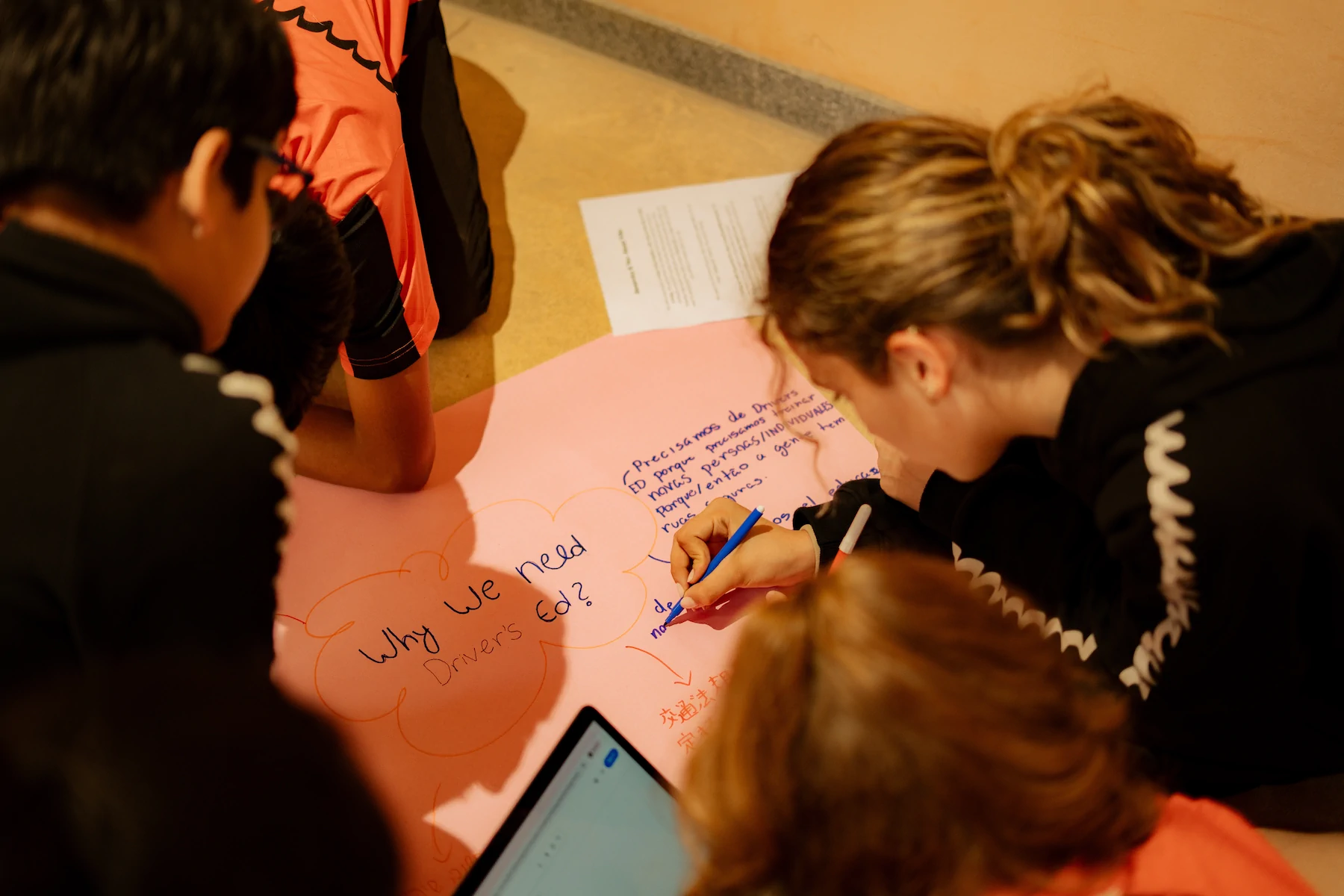
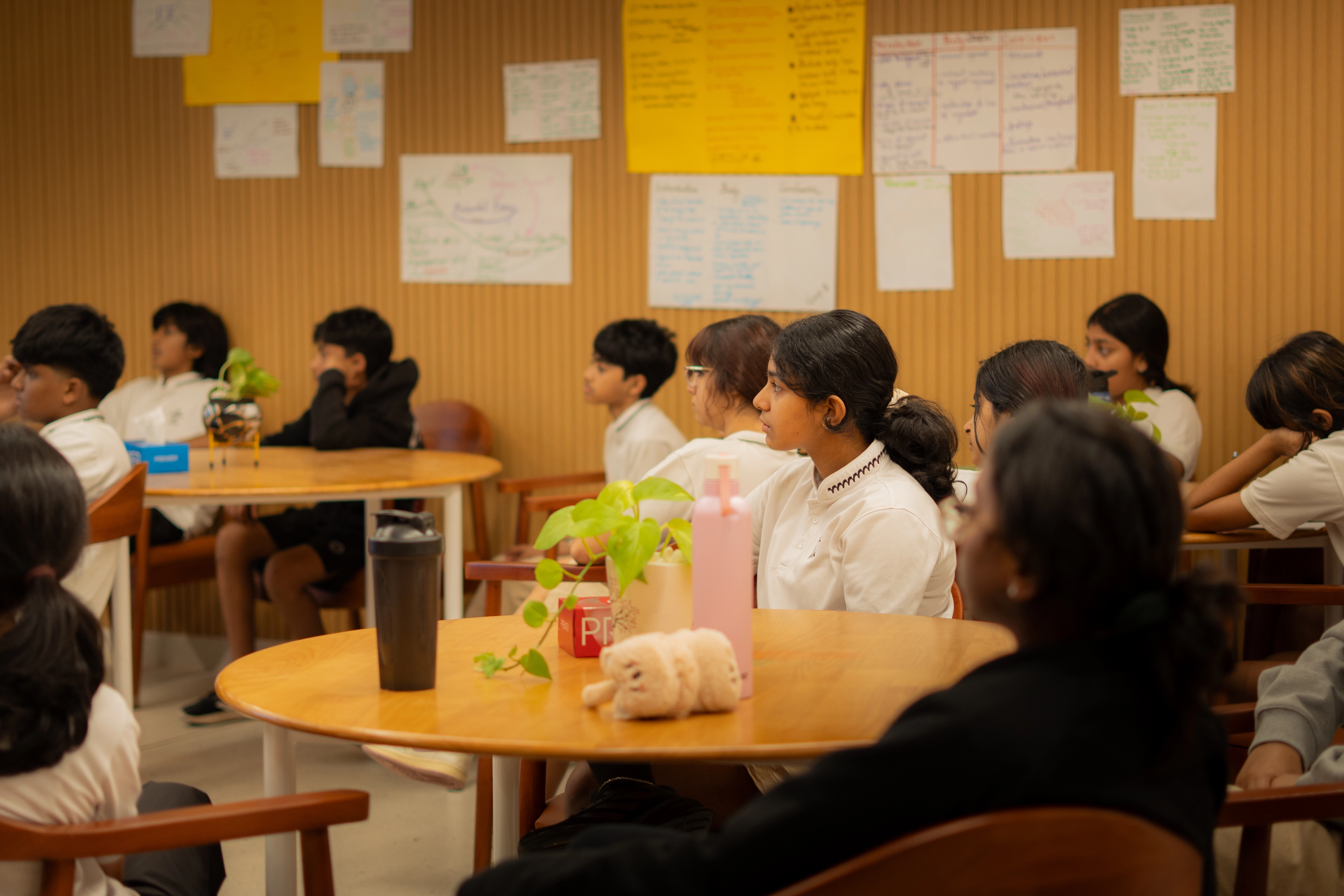
Before a good decision comes self-awareness. In my experience as a guidance counselor, students rarely struggle because they don’t have options — they struggle because they haven’t yet understood themselves within those options. This is where stories begin to matter. At The School of Raya, students engage with their stories — their unique experiences, a moment of choice, a path taken or not taken — and naturally begin to turn inward.
This reflective pause is powerful. It allows Rayots to move beyond immediate reactions and start recognising their own values, fears, and motivations. Over time, patterns begin to emerge — what excites them, what holds them back, what truly matters.
Understanding Before Deciding
In adolescence, the part of the brain responsible for reasoning and long-term thinking is still developing, which is why decisions can feel emotional, uncertain, and sometimes impulsive. But this is not a weakness — it is part of growth.
This is where self-awareness begins — by looking inward, by making sense of one’s own experiences, values, and expectations. Through conversations, reflective questions, and shared narratives, students begin to see patterns in their thinking and choices. The IB learning environment further supports this process by encouraging reflection, inquiry, and perspective-taking.
Because in the end, good decisions are not made in pressure-filled moments. They are built over time — through stories, experiences, self-awareness, and the quiet courage to choose a path that feels true.
The Art of Patience
“Adopt the pace of nature: her secret is patience.” — Ralph Waldo Emerson
In a world obsessed with speed, instant downloads, quick answers, and fast results, patience may seem outdated. Yet, it is one of the most powerful qualities a student, teacher, or parent can cultivate. At The School of Raya, we have come to see patience not as passive waiting, but as an active, intentional practice.
The Pressure to Accelerate
We live in an era where everything feels urgent. Students are asked to choose careers before they have truly experienced life. Parents measure progress in grades and rankings. Teachers face pressure to cover curriculum faster than understanding can settle. In this environment, patience becomes an act of quiet resistance.
But the research is consistent: deep learning takes time. Mastery requires repetition, reflection, and rest. The brain consolidates understanding not in the moment of instruction, but in the spaces between.
What Patience Looks Like in Practice
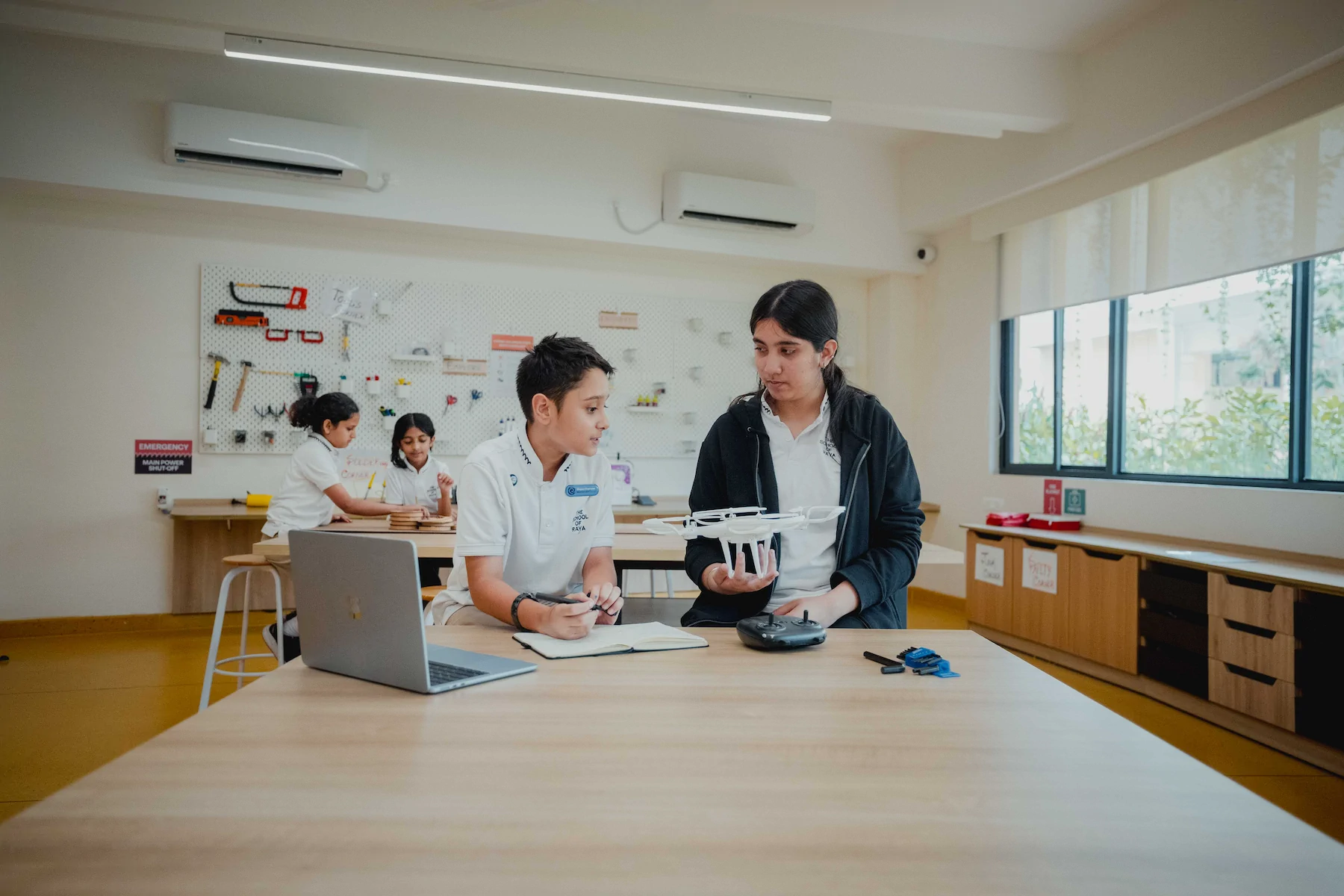
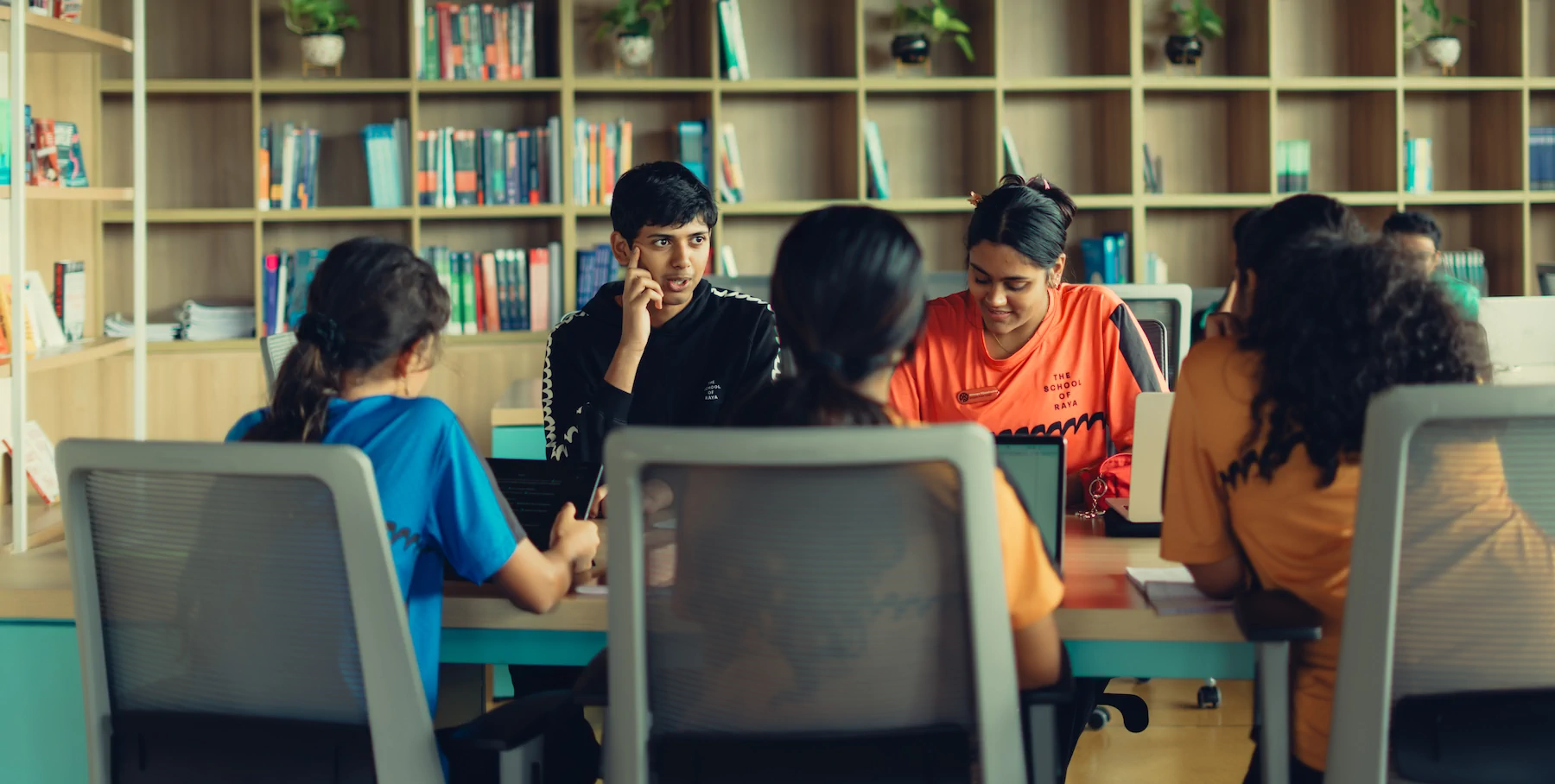
At Raya, patience shows up in many forms. It is a teacher sitting with a student’s confusion rather than rushing to provide the answer. It is a student returning to a piece of writing five times before it finally says what they meant. It is a parent trusting the process even when progress is not immediately visible.
It is also institutional. We design learning experiences that unfold over time — projects that span weeks, units that revisit ideas from multiple angles, assessments that ask students to demonstrate understanding rather than recall information.
Resilience Grows in the Waiting
Some of our most meaningful breakthroughs happen not in moments of instruction but in moments of struggle. When a student sits with a problem long enough, something shifts. They stop looking for the shortcut and start looking for understanding. That is where resilience lives.
We tell our students: the discomfort you feel when something is hard is not a sign that you are failing. It is a sign that you are growing. Learning to stay present in that discomfort — to be patient with yourself and with the process — is one of the most important skills we can develop.
Meaningful growth happens when we trust the process, stay present, and allow time to do what only time can do.

The School of Raya Becomes IB Continuum School in Record Time and Welcomes Imperial College’s STEMathon
The School of Raya is redefining educational excellence through its record-time IB Continuum journey and collaboration with Imperial College London's STEMathon. Click here to read the press release.