Stories
From the classrooms, the campus and the people who built it.
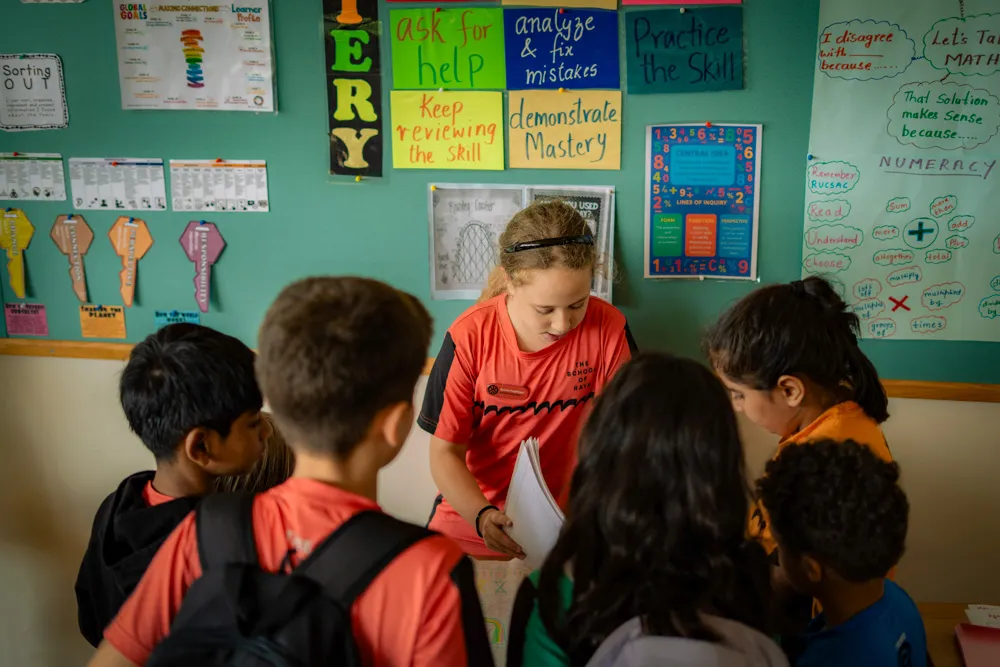
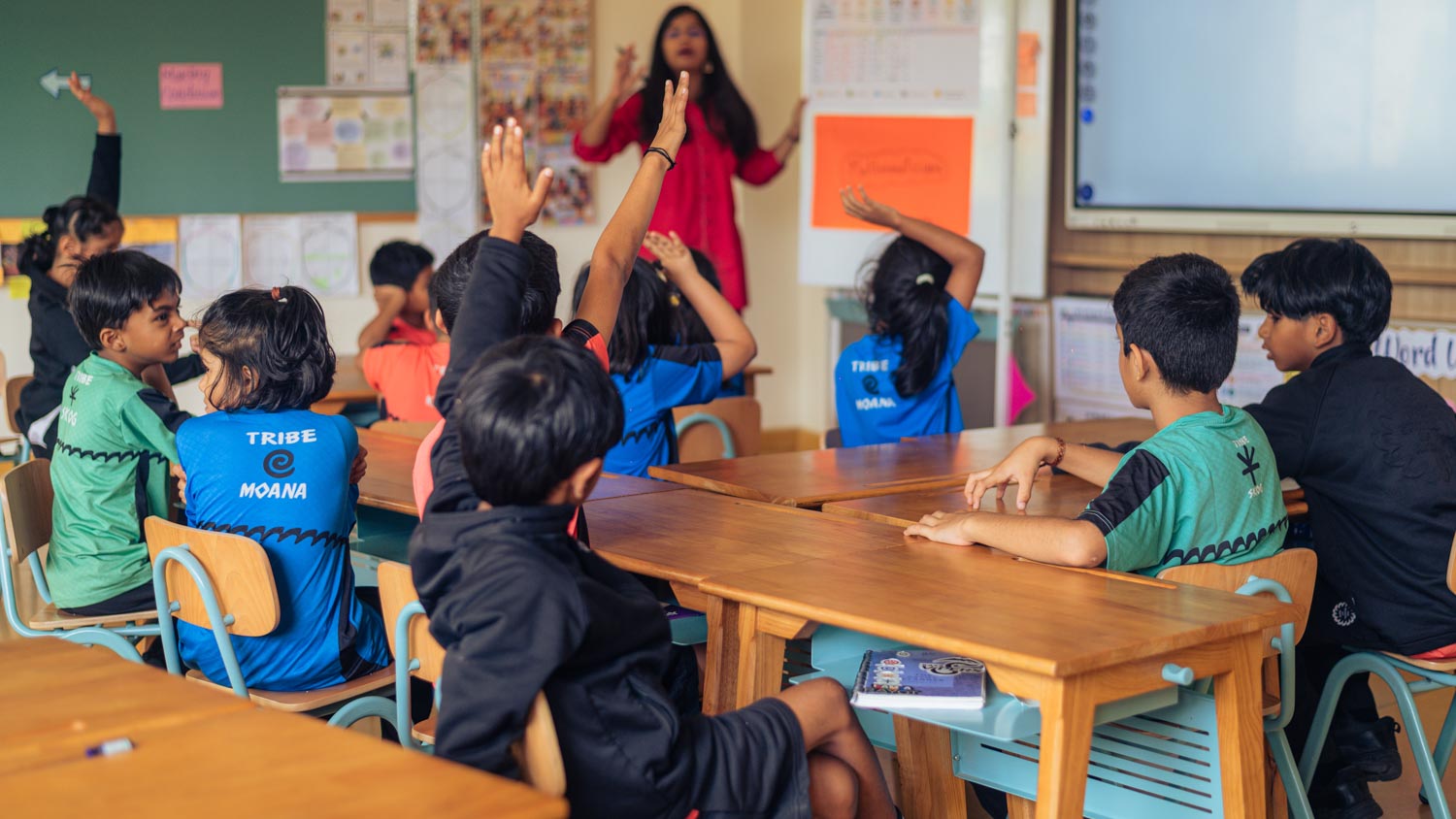
When Students Can See the Maths, They Can Talk About It
“Mathematics is a subject that is all about creativity, making connections, and sense-making.”
— Jo Boaler
When students can see the maths, they can talk about it.
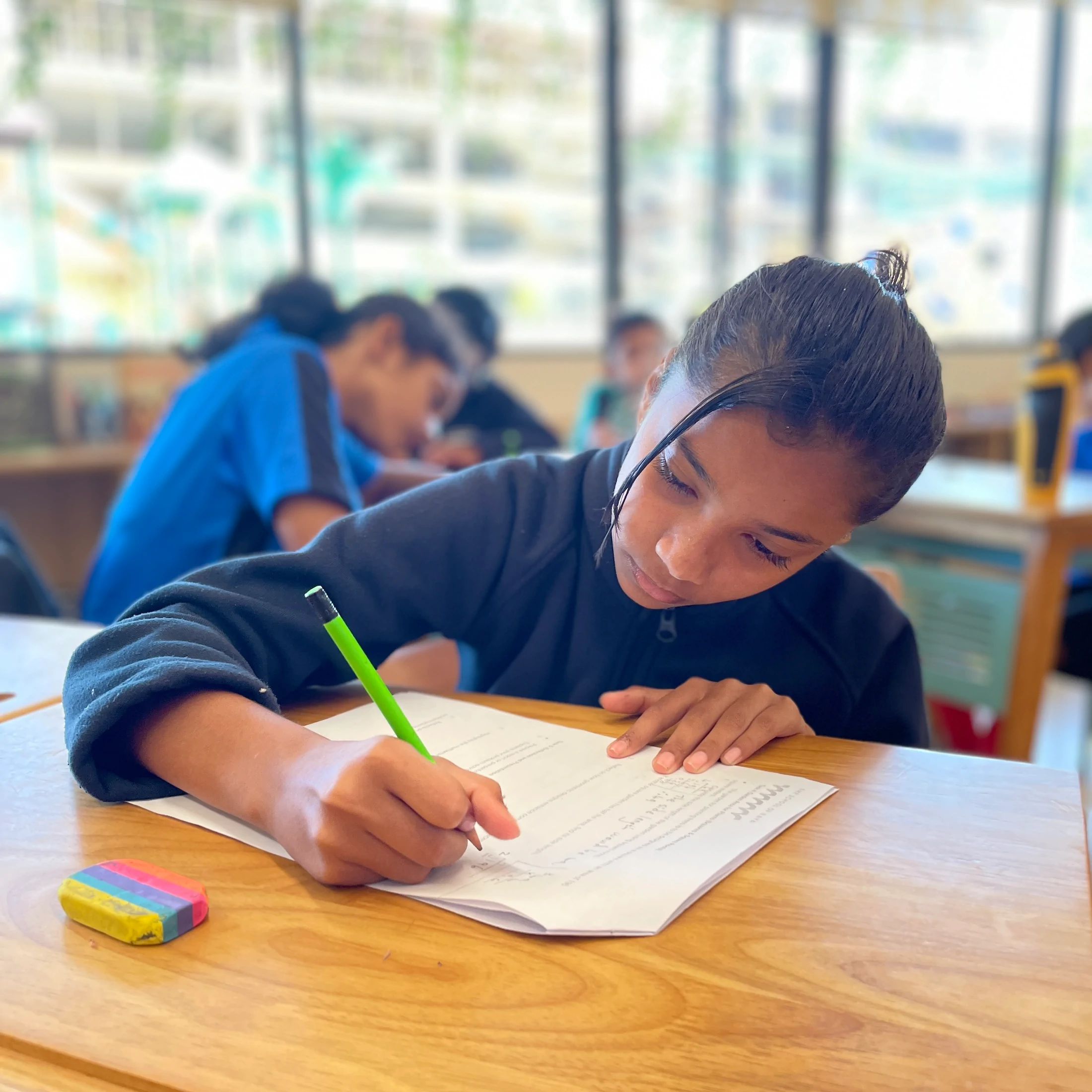
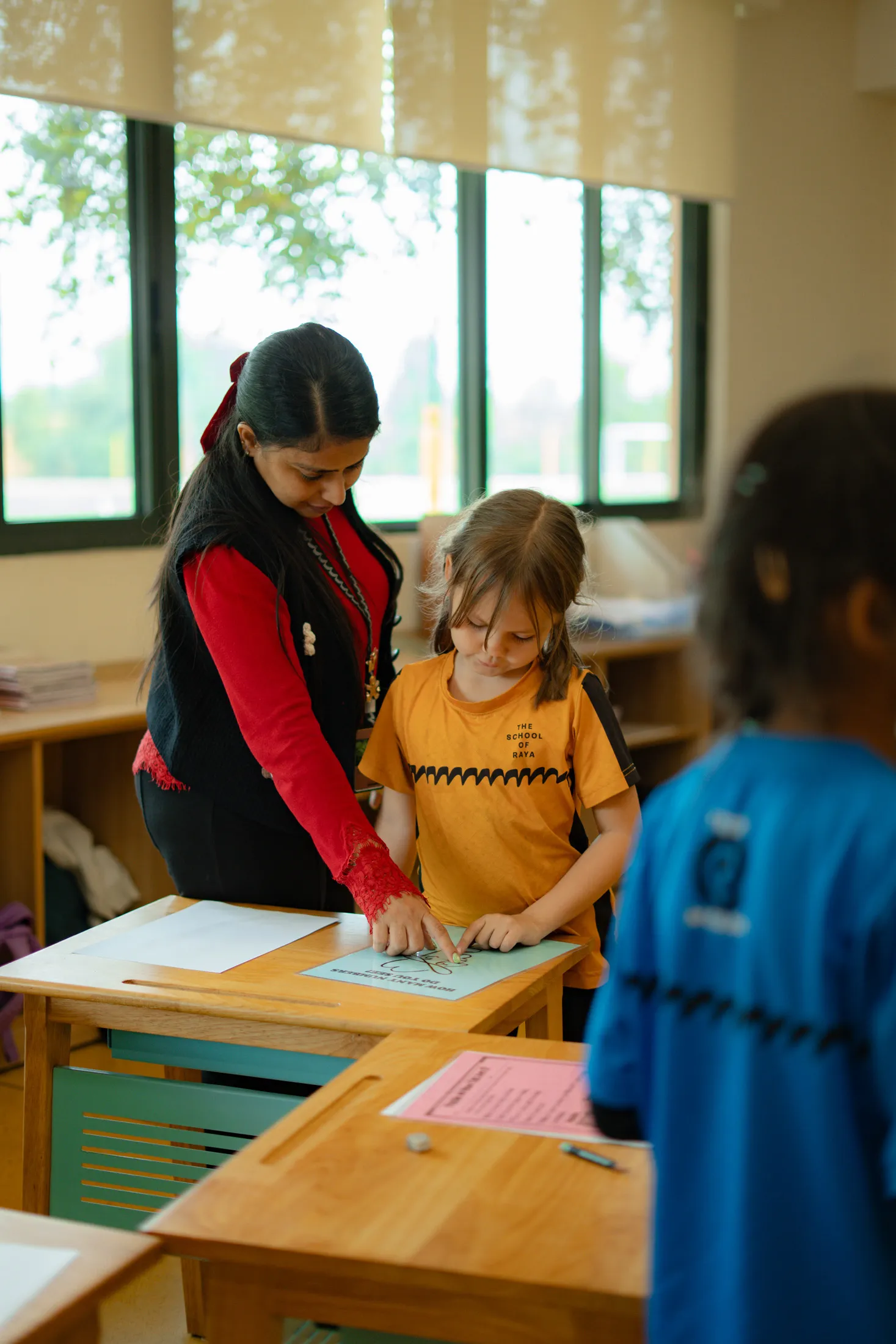
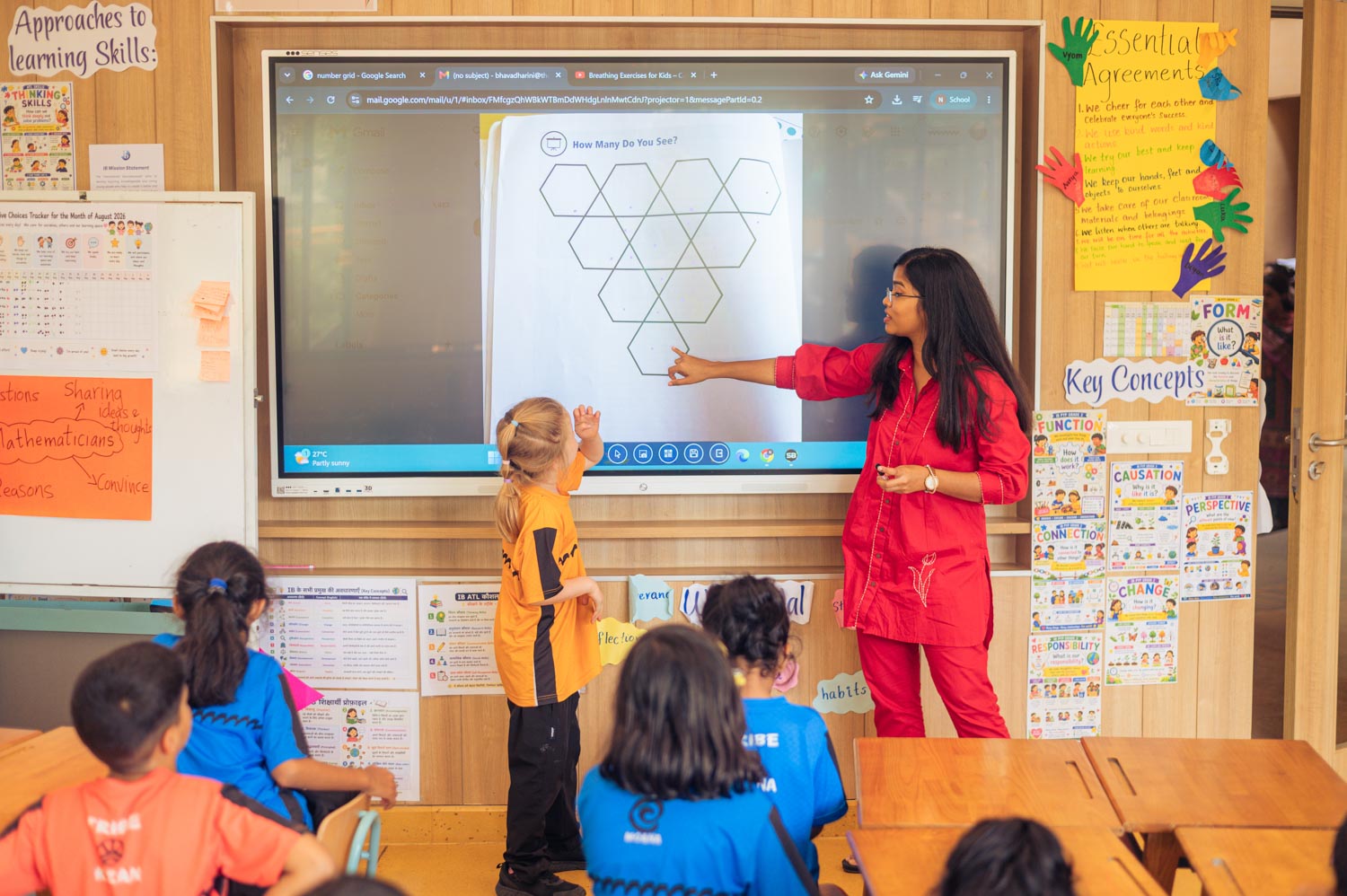
This became the core idea behind our Grade 2 Math Talk journey. It started with simple but intriguing mathematical images—dot patterns, tens frames, number lines and visual models—and invited students to look closely before looking for an answer. We wanted them to notice the mathematics, make connections and find a way to communicate what they were seeing.
The Answer Was Never the Whole Story
In mathematics, the final answer can sometimes hide the thinking that produced it. Two students can arrive at the same answer while seeing the mathematics in completely different ways. One might count, another might group, another might partition, while another might recognise a relationship immediately. We wanted Math Talk to open up those different ways of seeing.
We wanted students to experience the jobs of mathematicians—to explain, justify, convince, reason and share. The focus was not simply on whether students could solve a problem, but whether they could communicate the mathematical thinking behind their solution.
When a Picture Becomes Mathematics
The representations became particularly powerful because they helped make mathematical relationships visible. Students could see quantities, structures and connections that might otherwise have been difficult to hold in their minds.
Instead of carrying several relationships mentally, they had something in front of them that they could return to, manipulate and compare. This helped reduce some of the cognitive load involved in working with multiple pieces of mathematical information at once.
The visual was not there to make the mathematics more attractive.
It was there to make the mathematics easier to see and think about.
From “I Did It” to “I Know Why”
Once students had something they could see and work with, we needed to give them the language to communicate their thinking. We intentionally introduced mathematical vocabulary such as partition, compare, represent, strategy, justify, reason and convince.
These words were not introduced simply for students to remember. They became part of the way students communicated mathematical relationships and explained their choices. Their explanations began to move beyond what they had done towards why they had done it.
This connected strongly with Jo Boaler’s emphasis on mathematical reasoning. Explaining mathematical work is not something that happens after the mathematics; it is part of the mathematics. A correct answer could tell us where a student had arrived. Their explanation helped us understand how they had got there.
Let the Mathematics Do the Talking
As Math Talk developed, we began listening beyond the final answer. Could students explain a relationship? Could they justify a strategy? Could they use evidence to support their thinking? Could they compare different approaches and explain what they noticed?
The jobs of mathematicians began to become part of the mathematical work itself. Students were explaining, justifying, convincing, reasoning and sharing ideas that could be examined. An answer could become the beginning of another question rather than the end of the task. A strategy could be challenged. A representation could reveal something unexpected. Students could return to the mathematics and ask:
“What makes this make sense?”
What Happens When the Answer Doesn't Work?
Some of the richest moments came when students were unsure. A strategy might lead to an unexpected answer, a representation might reveal something they had not anticipated, or a problem might reach a point where they did not know what to try next.
Instead of immediately providing another procedure, we gave students time to stay with the mathematics. They could return to the representation, rearrange the objects, redraw the model, adjust the number line or try representing the problem in another way. Gradually, students became more willing to remain in that uncertainty. They tried another possibility, reconsidered an earlier idea and continued working when their first approach did not succeed.
This changed the way we looked at mistakes too. An unexpected answer could reveal something about how a student was thinking. Rather than treating the mistake only as something to correct, we could use the representation to investigate the reasoning behind it. Jo Boaler’s idea that “Every time a student makes a mistake in math, they grow a synapse” resonated with this approach. The value was not in making a mistake, but in what the mistake allowed us to investigate.
Slow Down. There Is More Mathematics Here.
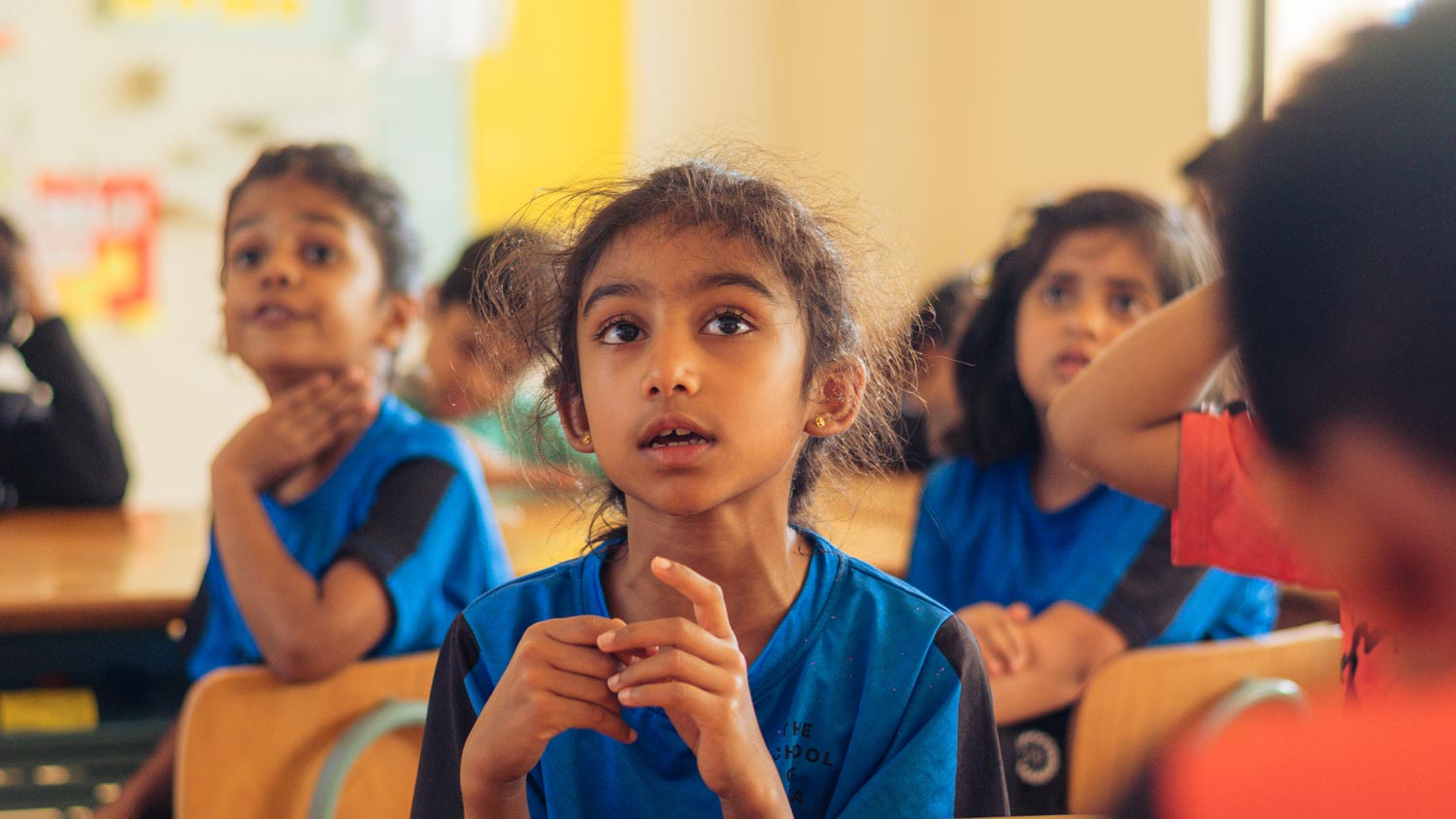
Another idea from Boaler resonated strongly with our experience: some mathematicians are not particularly fast with numbers because they “think deeply and carefully about mathematics.” This challenged the assumption that speed is a measure of mathematical ability. Math Talk created space for students to pause, look again, represent an idea and reason before moving forward. Sometimes, slowing down was what allowed students to see something they had missed the first time.
One Idea, Many Ways to See It
As students became familiar with different representations, they began to recognise that the same mathematical idea could look different depending on how it was represented. A tens frame might reveal composition. An open number line might make jumps and relationships visible. A drawing might expose the structure of a problem. An equation might express the same relationship symbolically.
This led to an important question:
What does each representation help us see?
Students began to understand that representations were not simply different ways of recording an answer. Each could reveal something different about mathematics.
When the Thinking Travels
The next question was whether these ways of thinking would transfer when the mathematical context changed. We began noticing students using mathematical practices in situations that did not look exactly like the examples they had encountered before. They could represent an unfamiliar problem, look for relationships and draw on reasoning even when a familiar procedure was not immediately available.
Transfer was not simply remembering a strategy. It was knowing when mathematical thinking could help.
This was also where we began to see students making more decisions within mathematics. They could consider which representation might help, how they could show their thinking and which strategy might make sense for the problem in front of them.
They were not simply waiting for the next instruction.
They were beginning to decide how to enter mathematics.
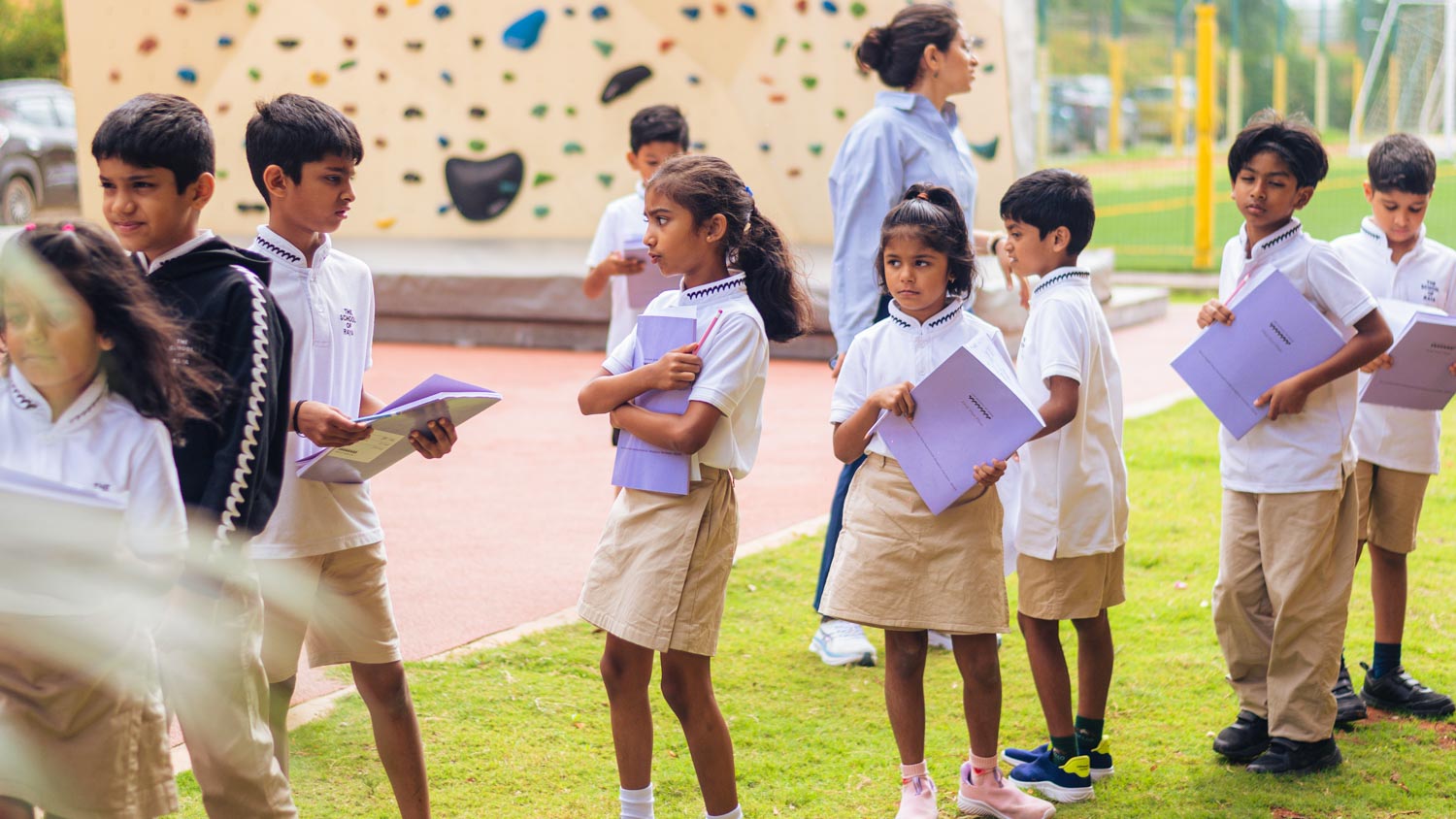
Looking back, the shift was not simply about students talking more. It was about giving students more ways to see, represent and reason about mathematics. The visual representation gave mathematical thinking a form. Language helped students articulate it. Math Talk gave them a space to examine it. Difficult moments gave them opportunities to revisit and rethink. Different representations opened possibilities for mathematical choice, and these practices began to travel into new situations.
What began with mathematical provocations and visual representations gradually became a different way of approaching mathematics. Students were not only looking for an answer; they were looking for relationships, making sense of what they saw, explaining their choices and deciding how they wanted to approach a problem.
Ultimately, the question is not simply, “Can the child get the answer?”
It is: “Can the child see mathematics, make sense of it, represent it, explain it, justify it, convince others and reason about it?”
Because when students can see the maths, they can talk about it. And when they can talk about it, they can begin to do the jobs of mathematicians.
School of Raya: Innovating Education with STEMathon and IB Continuum Milestone
.jpg)
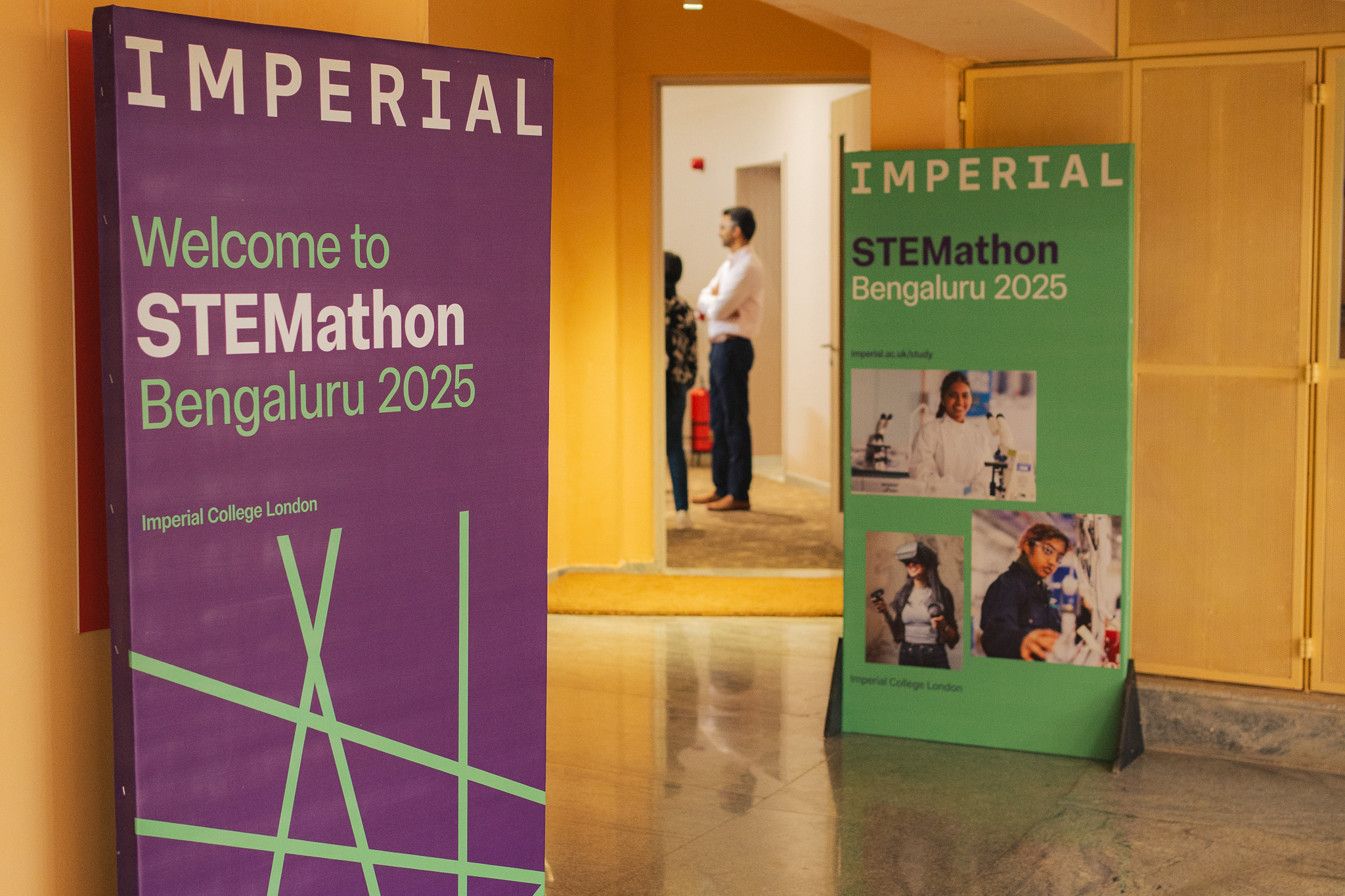
The School of Raya achieved the milestone of becoming an IB Continuum School in record time while bringing global STEM opportunities to its learners through Imperial College London's STEMathon. Click here to read the press release.
The Speaking Walls
Walking into our classrooms after the summer break, with no students at the desks and no teachers setting up displays, I was struck by an unfamiliar stillness. The walls were bare. The chatter was missing. The life of the campus felt paused.
And in that moment, I was reminded of something powerful: it’s not just the curriculum or the timetables that make a school come alive. It’s the energy of our learners, the creativity of our educators, and the stories our spaces begin to tell when they are filled with purpose.
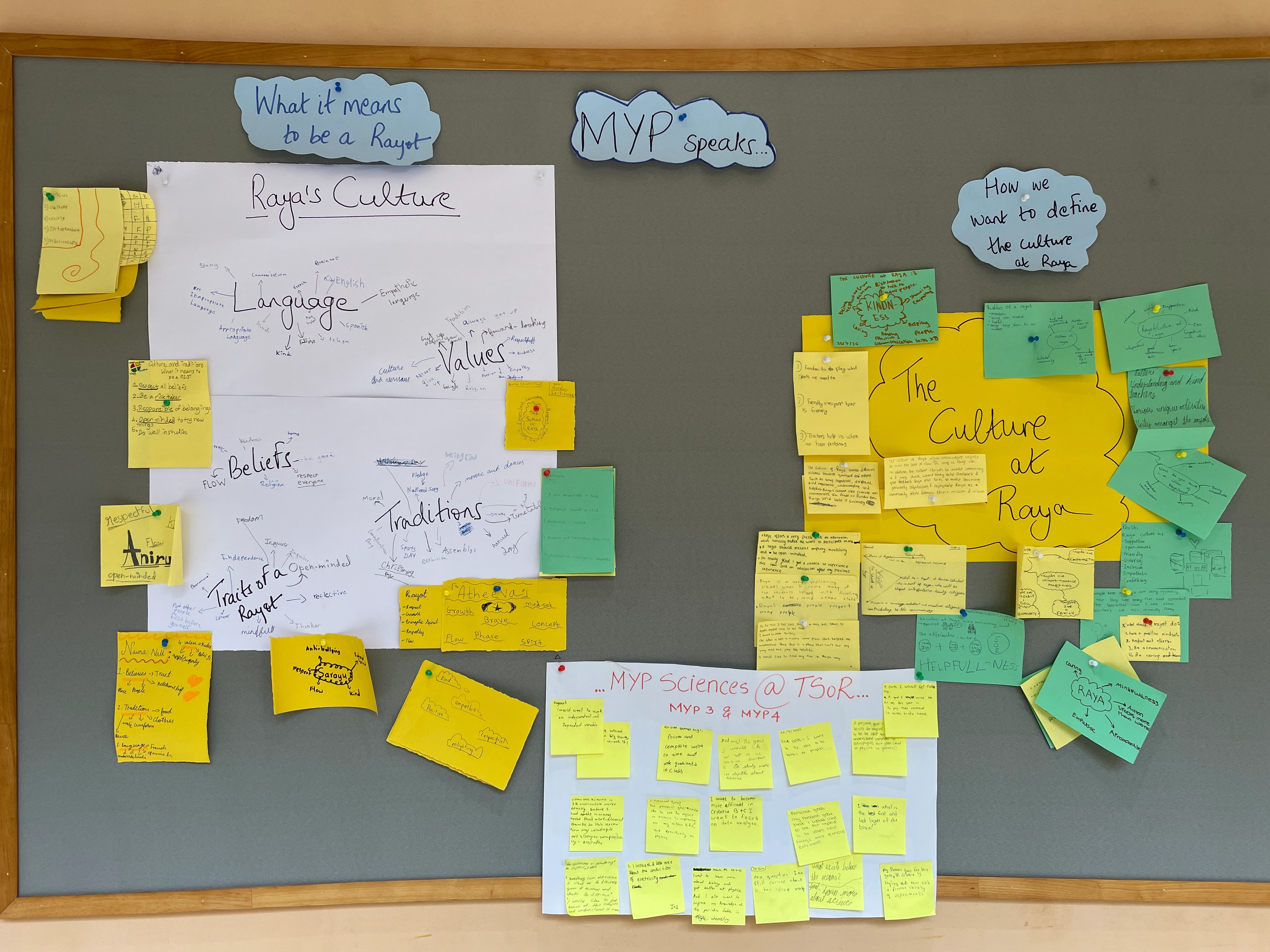
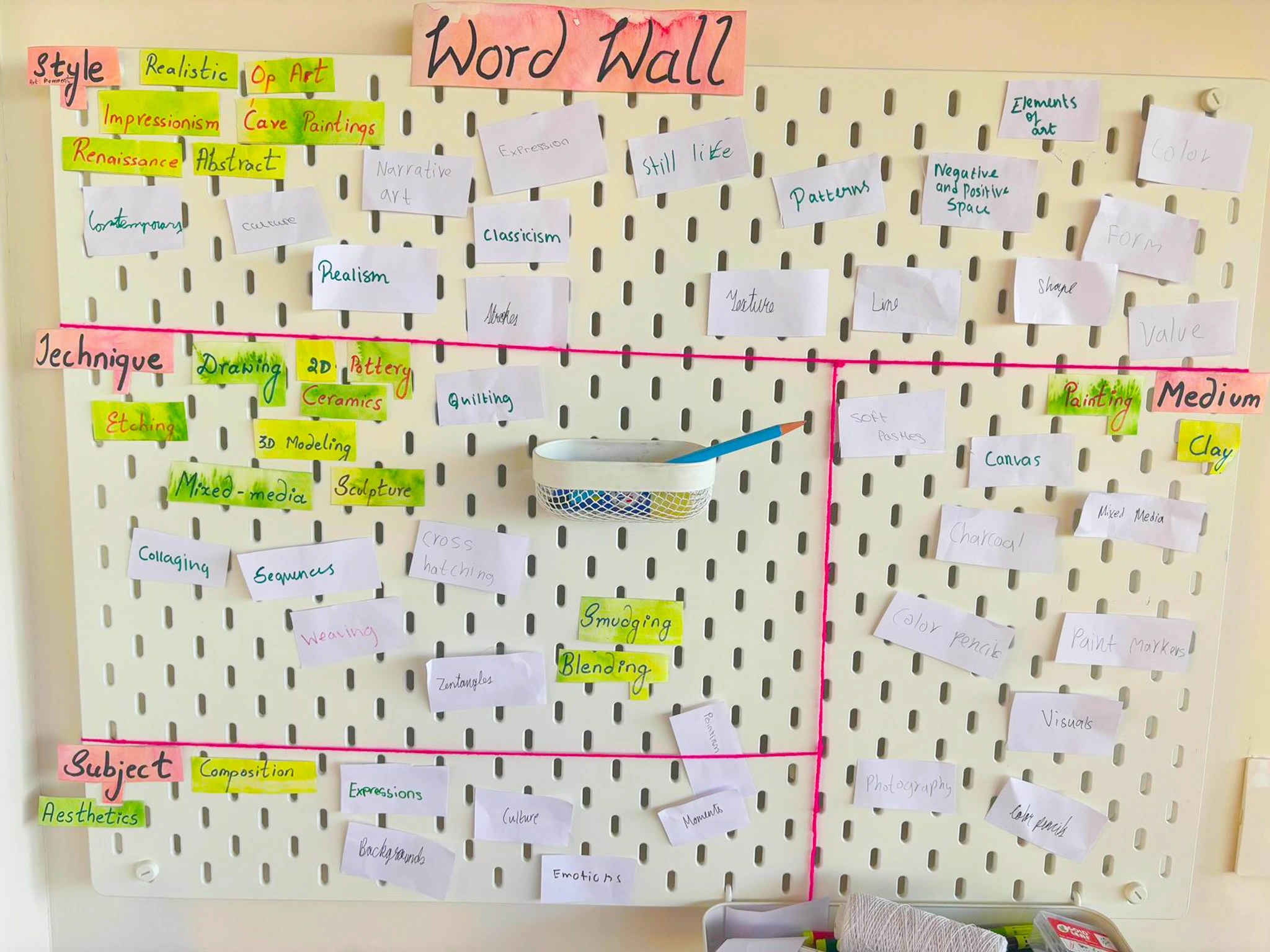
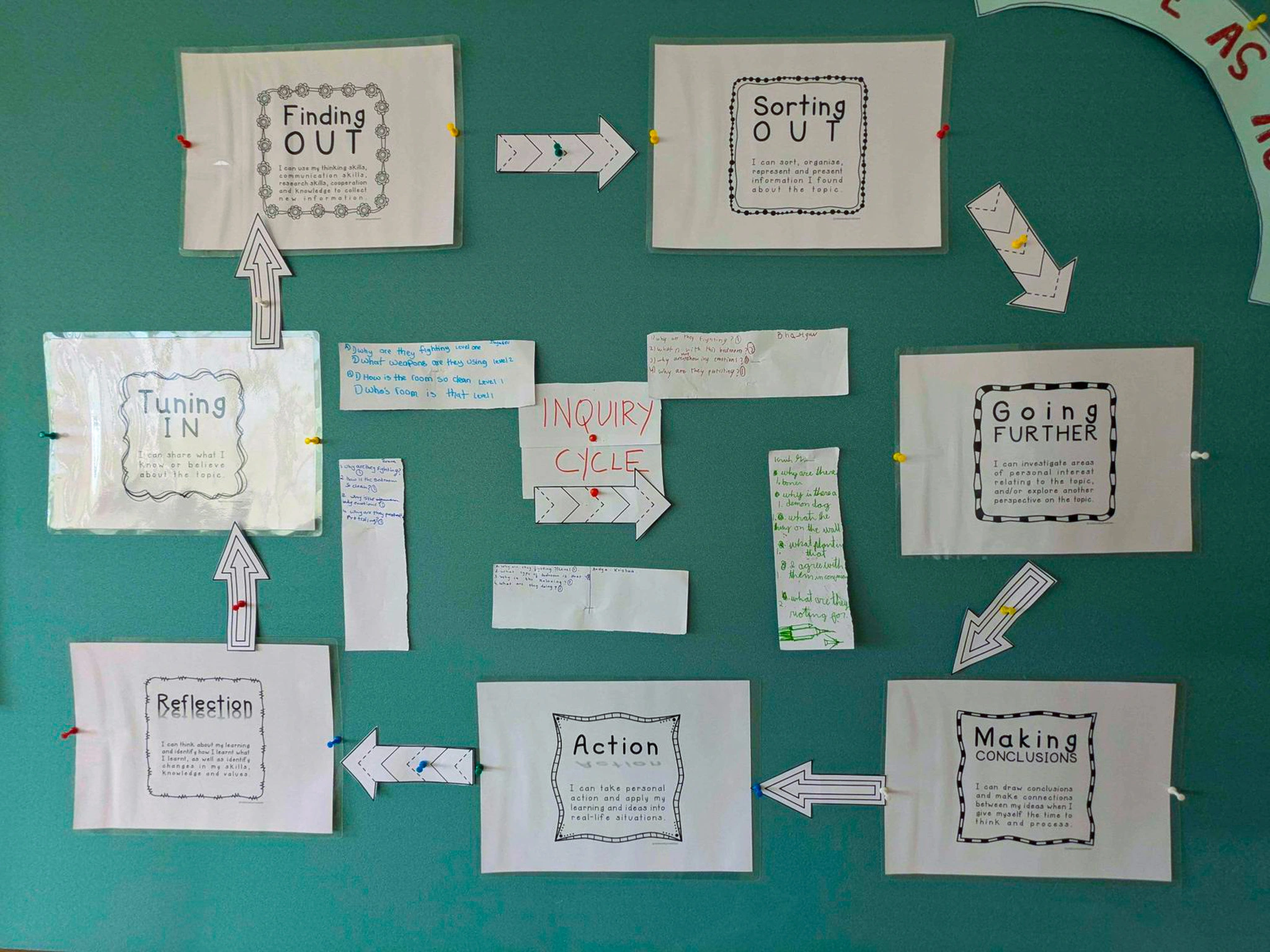
At The School of Raya, our classroom walls don’t just display — they engage, inspire, and empower. The classroom environment is not just a backdrop; it is a co-teacher, an invisible guide, and a living archive of student thinking.
Communication is Not Just a Skill — It’s Something Our Walls Learn Too
We understand that communication is more than speaking or expressing; it also involves listening, responding, and engaging meaningfully. Our classroom walls do just that. They listen first — to the learners, to the community, to the energy in the room — and then they begin to speak, echoing the voices, values, and visions of those who inhabit the space.
In the opening weeks of school, before any unit launches, classrooms come alive with essential agreements co-constructed by students, setting the tone for collaboration and respect. There are visual reminders of ATL skills and Learner Profile attributes, school mission and values, and reflections on personal learning goals.
Empowering Learners Through Flexible, Visible Learning
One of the greatest strengths of the MYP framework is the flexibility it offers to design learning that is responsive to the needs of each learner. Our walls reflect this approach. They are dynamic — shaped by student voice, evolving questions, and collaborative thinking.
Whether it’s unit details, Service as Action engagements, Project timelines, or a visual board filled with global context connections, these displays give students space to see their growth, make connections, and contribute to a collective learning environment.
The walls are created with intention and purpose: to document the learning process, to reflect evolving ideas, and to build a shared learning journey. Because when students see their thinking displayed and valued, they take ownership. And that is when the real learning begins.
Cultivating Environmental Stewardship through Nature-Based Education
In the age of extensive technology and digital applications, it becomes imperative for learners to engage with the natural elements surrounding them. The convenience of modern technology has brought remarkable advancements, but it has also distanced people — particularly the younger generation — from the environment.
Nature-based education fosters a personal connection to the environment, allowing learners to experience the interdependence of life firsthand. It is essential for learners to understand their role as stewards of the planet, as the preservation of natural resources is a global responsibility.
What Environmental Stewardship Means at Raya
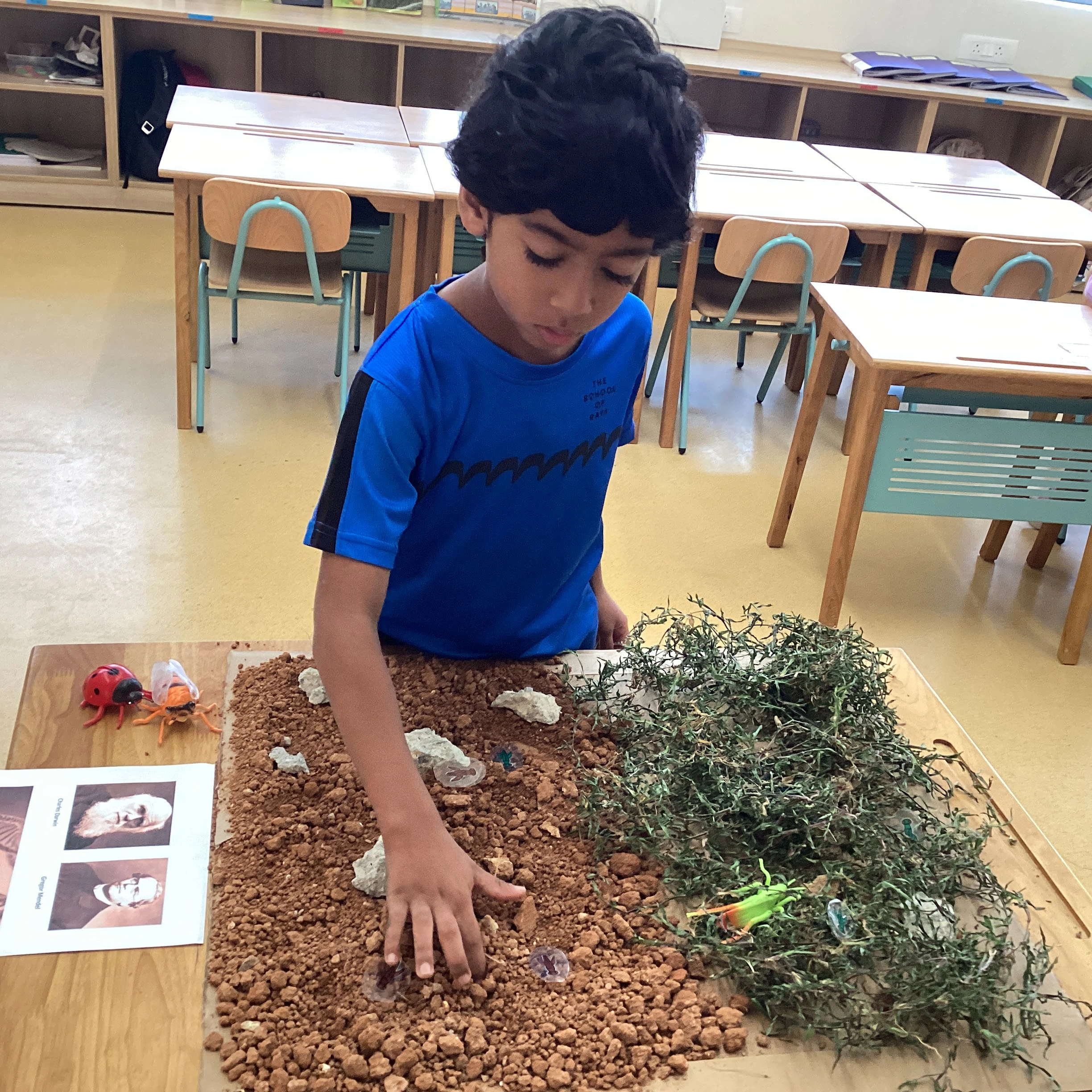
Environmental Stewardship is a commitment to managing natural resources responsibly to preserve them for future generations. Activities at The School of Raya — such as nature walks, eco-friendly projects, and inquiry-based learning on wildlife observation — help learners develop a sense of wonder and appreciation for the world around them.
From Theory to Practice
Issues arise when environmental efforts are limited to ideation rather than implementation. Cultivating environmental stewardship requires moving beyond theory to practical application. Hands-on projects such as waste management programmes, water conservation campaigns, and energy-saving initiatives enable learners to see the direct impact of their efforts.
These activities not only benefit the environment but also teach valuable life skills — teamwork, problem-solving, and leadership.
Nature, Health, and Wellbeing
Connecting with nature has profound effects on the mental and physical health of learners. Reintroducing nature-based activities into learners’ routines can significantly improve fitness and agility, while also reducing stress and improving focus.
At Raya, we believe that a child who knows how to observe a leaf, tend a plant, or track the seasons is developing a relationship with the world that no screen can replicate. That relationship is the foundation of environmental stewardship — and it begins here.
Treasure Chest of Unstructured Play
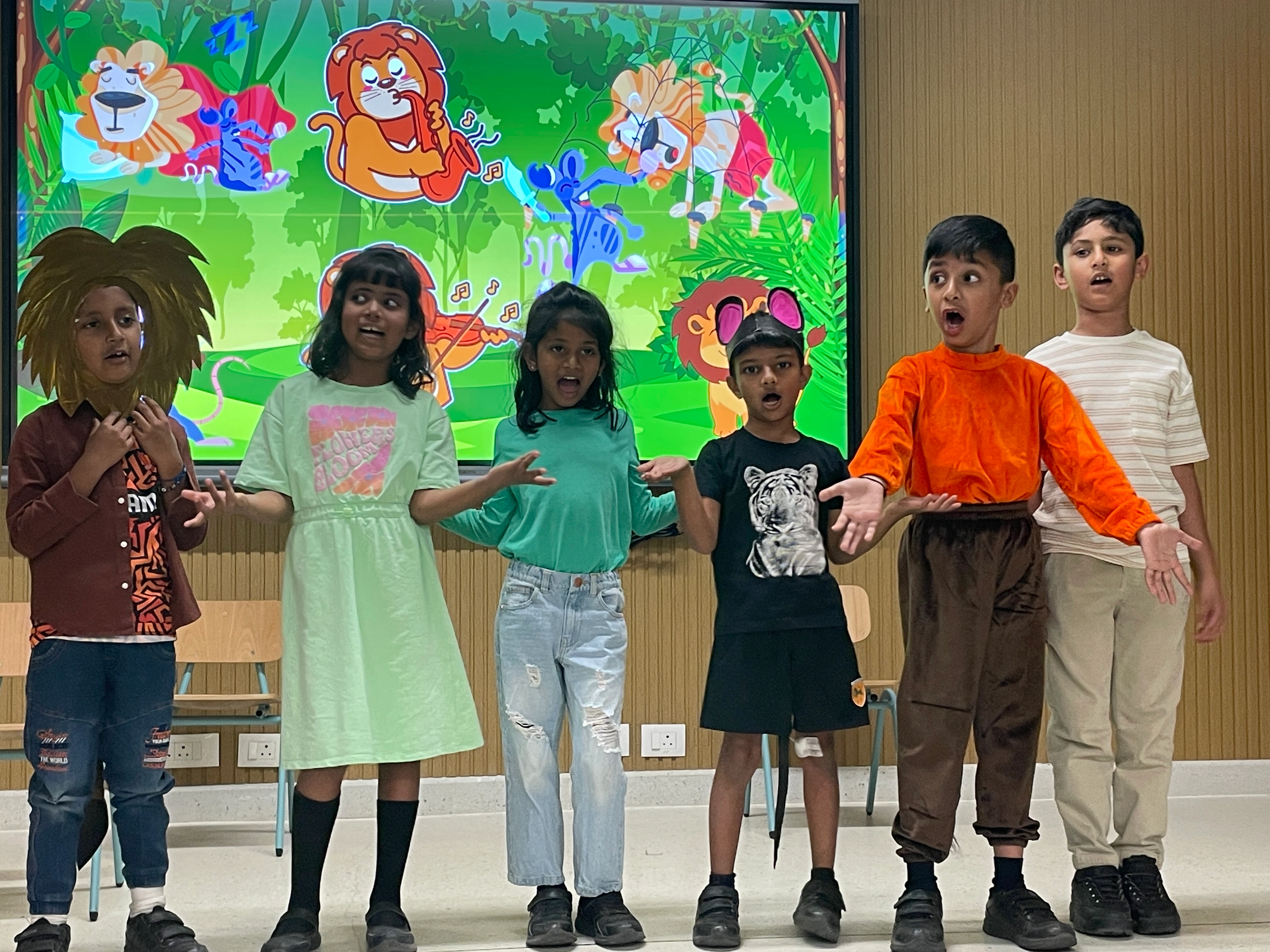
Children are naturally curious and possess an innate desire to explore the world around them. Unstructured play — free, open-ended, and child-led — is one of the most powerful tools we have for nurturing that curiosity. At The School of Raya, we believe that play is not a break from learning. It is learning.
What Unstructured Play Looks Like at Raya
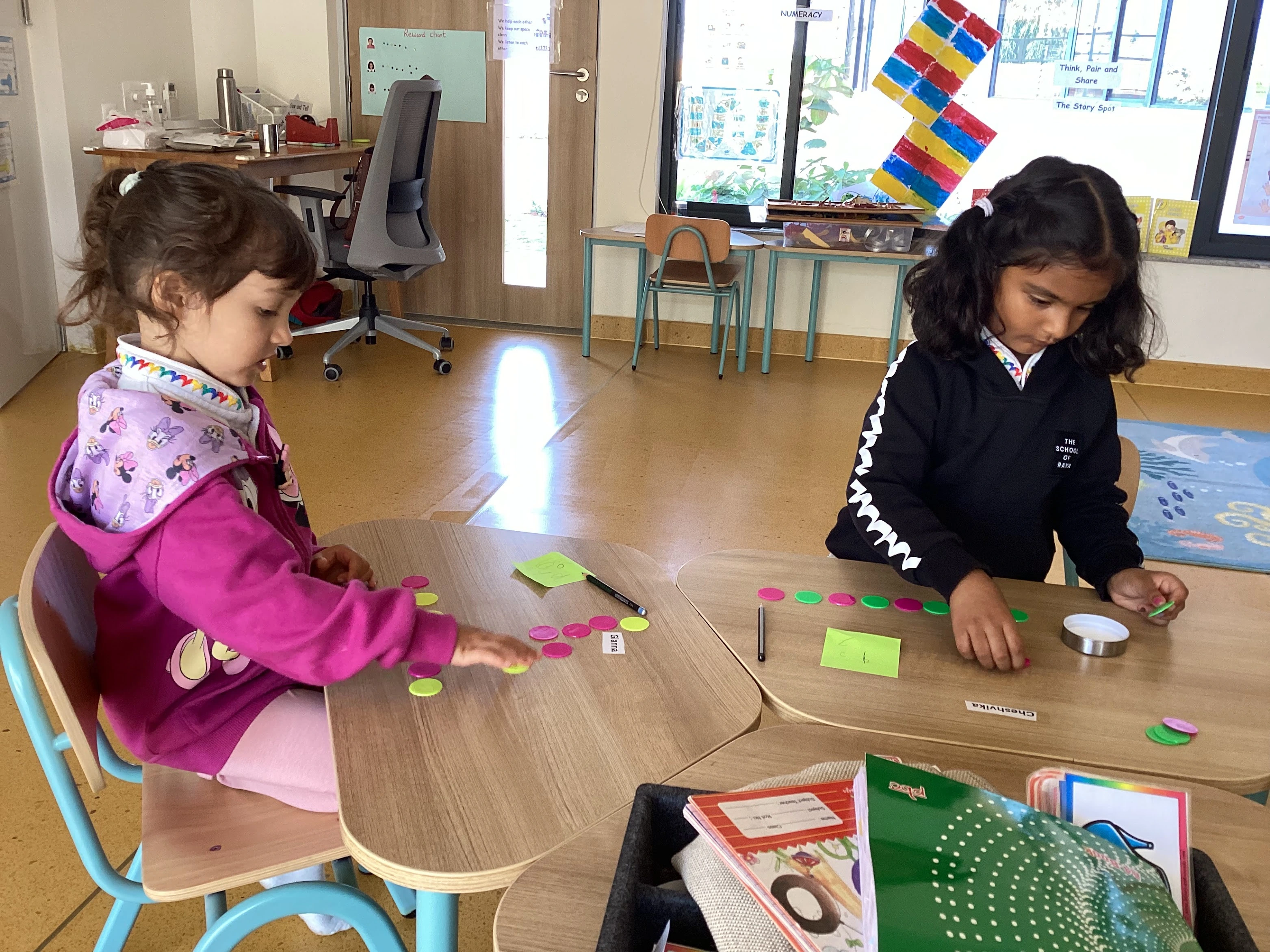
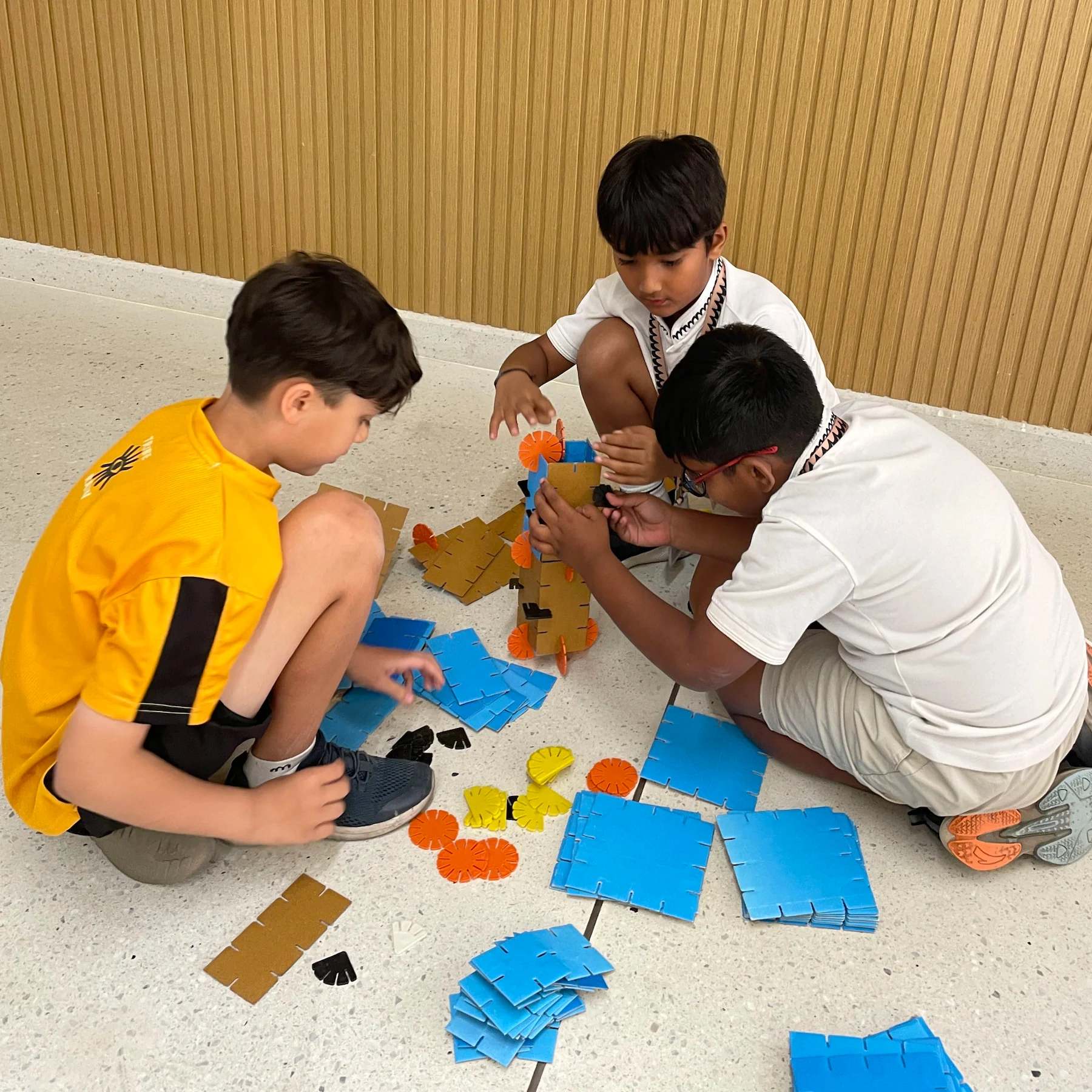
Unlike structured activities with defined goals and adult direction, unstructured play allows children to set the rules, choose the materials, and follow their imagination wherever it leads. A pile of blocks becomes a city. A patch of grass becomes a laboratory. A cardboard box becomes a spaceship.
In these moments, children are not simply playing. They are developing language, negotiating with peers, solving problems, building resilience, and making sense of the world on their own terms.
The IB Connection
The IB Primary Years Programme places significant emphasis on inquiry-based, student-led learning — and unstructured play is a natural expression of that philosophy in the early years. When a child chooses to sort pebbles by size, they are exploring mathematical thinking. When they invent a story with friends, they are developing narrative structure, empathy, and collaboration.
Play is inquiry in its most honest form. It asks no permission and follows no script.
What We Protect When We Protect Play
In a world that increasingly asks children to sit still, perform, and produce, the freedom to play is something worth protecting deliberately. At Raya, we design time and space for unstructured play not as an afterthought but as a core part of how young children grow into curious, capable, holistic learners.
When we give children the gift of unstructured time, we are trusting them with something profound: the freedom to discover who they are.
Nurturing Curiosities @ Raya
In today’s world, children are surrounded by distractions — screens, schedules, and a constant stream of stimulation. In the middle of all of this, curiosity can quietly fade. At The School of Raya, we work hard to make sure it doesn’t.
Curiosity is not a trait that some children have and others don’t. It is a natural state of childhood — one that is either nurtured or gradually suppressed by the environments we create. Our job is to nurture it.
Intrinsic Motivation Over Compliance
When children are driven by genuine interest — when they ask a question because they truly want to know the answer — their learning is deeper, more durable, and more joyful. We call this intrinsic motivation, and it is at the heart of everything we do at Raya.
We resist the urge to over-structure. We leave room for children to wander, wonder, and pursue ideas that matter to them. A child who spends twenty minutes studying an ant colony is not wasting time. They are developing the habits of a scientist, a philosopher, and a thinker.
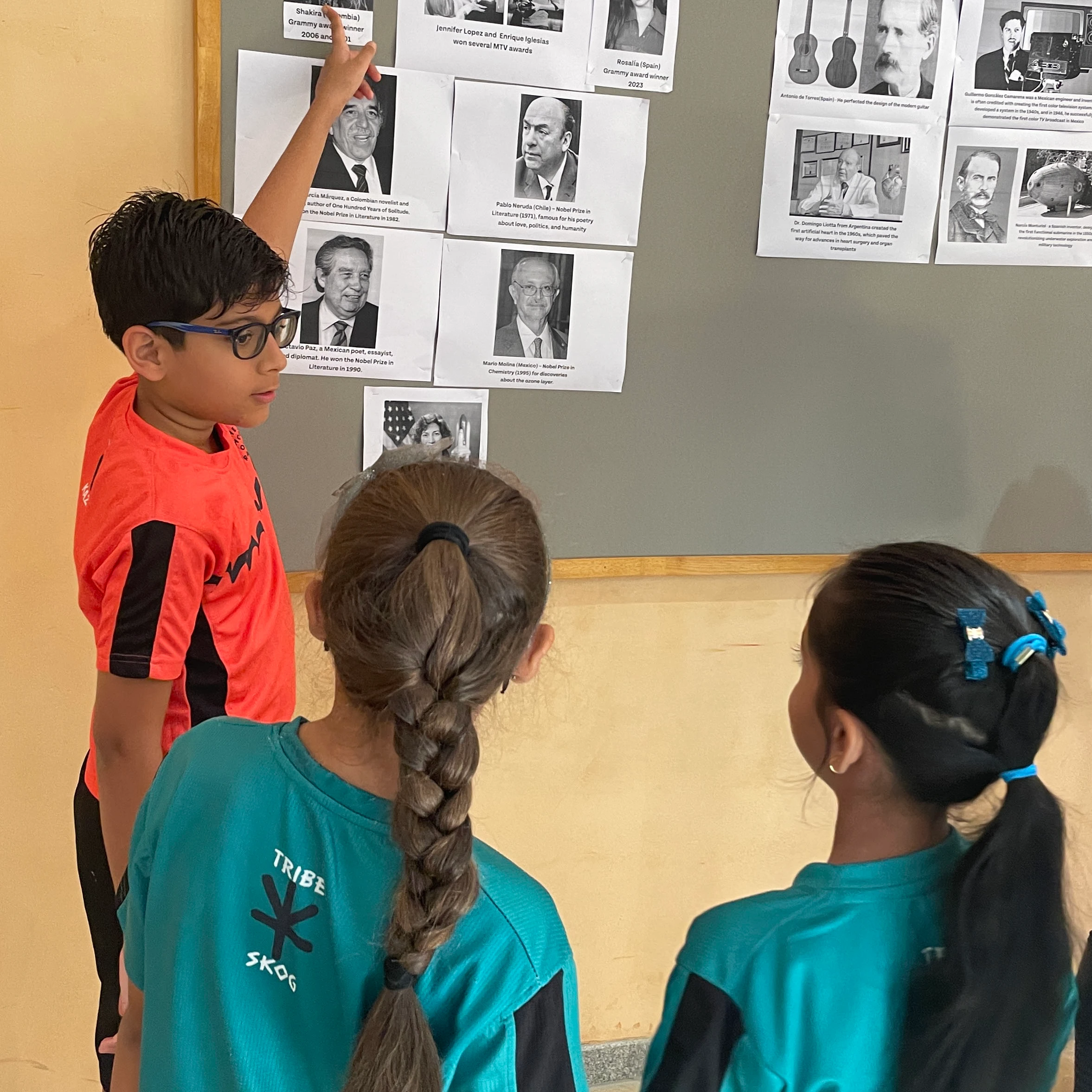
Learner Agency in Practice
Learner agency means giving students genuine ownership over their learning — not just choices within a constrained menu, but real influence over what they explore, how they explore it, and how they share what they discover.
This looks different at different ages. In the early years, it might mean choosing which provocation to engage with at the start of the day. In the upper years, it might mean designing an independent inquiry project from scratch. In both cases, the child is in the driver’s seat.
What Curiosity Builds Over Time
Children who are given space to be curious become adults who know how to ask good questions, sit with uncertainty, and keep learning long after formal schooling ends. That is the kind of education that lasts.
At Raya, we are not just teaching content. We are cultivating a relationship with learning itself — one that we hope our students carry for the rest of their lives.
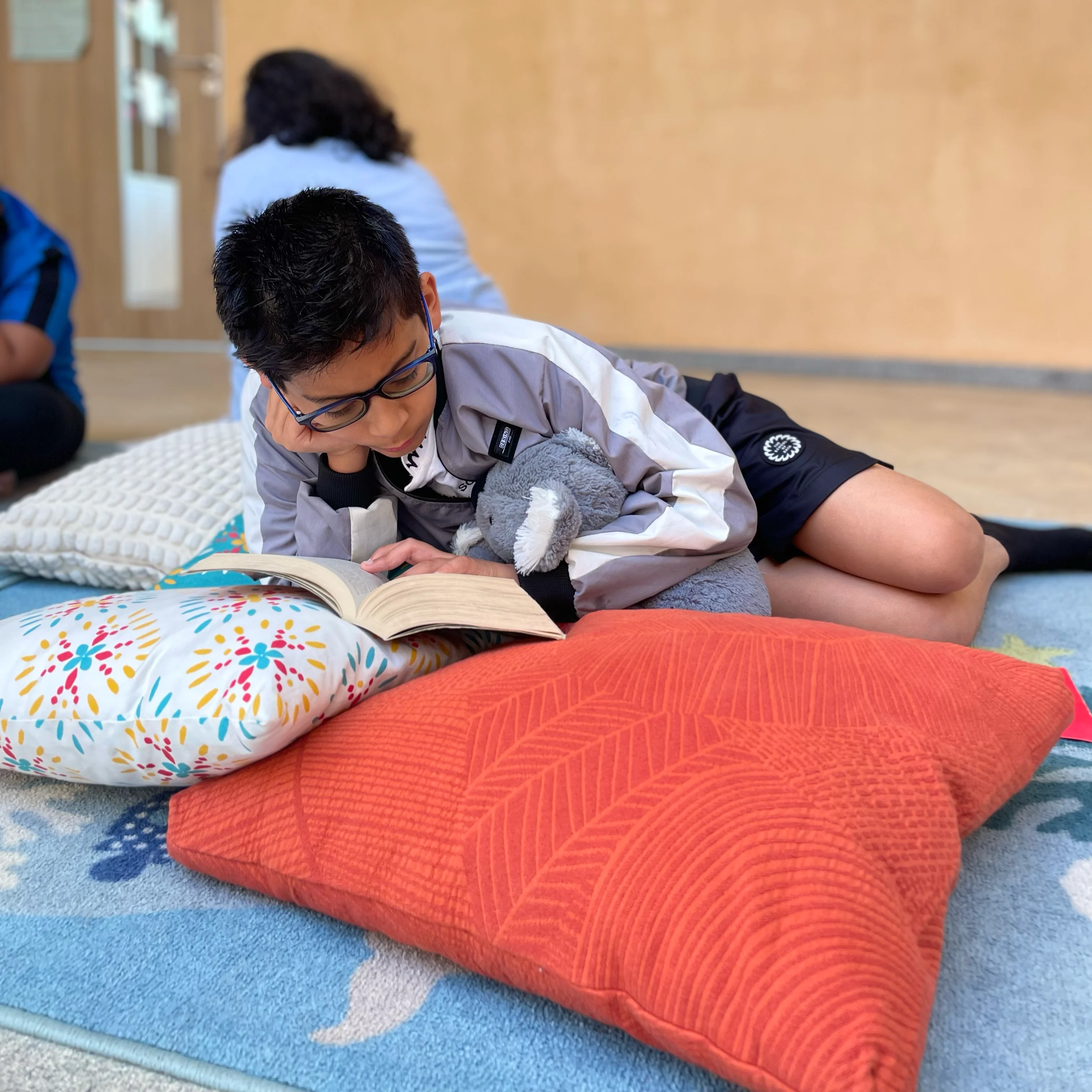
Self Management Skills
This journey of lifelong learning with my time in the IB curriculum has taught me that the most effective self-managers are those who understand themselves — their energy, their tendencies, and their triggers — as much as they understand their tasks.
What Self-Management Actually Means
Self-management is often reduced to time management tips: use a planner, break tasks into chunks, avoid your phone. These are useful. But they miss something deeper. True self-management is about developing the metacognitive awareness to know when you work best, what derails you, and how to recover when things go sideways.
In the MYP, self-management is one of the five Approaches to Learning skill clusters. It encompasses organisation, affective skills (managing your emotions and motivation), and reflection. We teach it explicitly — not as a one-off lesson, but woven into the fabric of daily learning.
The Procrastination Problem
Procrastination is not a character flaw. It is usually a response to anxiety, overwhelm, or a task that feels too large or too vague. When students understand this, they can address the root cause rather than just criticising themselves.
We teach students to ask: What specifically is making this feel hard? Is it the size of the task, the fear of getting it wrong, or the fact that I don’t know where to start? Once the obstacle is named, it becomes manageable.
Building the Habit of Reflection
At Raya, we ask students to reflect regularly — not just on what they produced, but on how they worked. What strategies helped? What would they do differently? Over time, this builds a self-awareness that is far more valuable than any single study technique.
Students who develop strong self-management skills don’t just do better in school. They navigate adulthood more gracefully — adapting to new demands, recovering from setbacks, and continuing to grow long after the final exam.
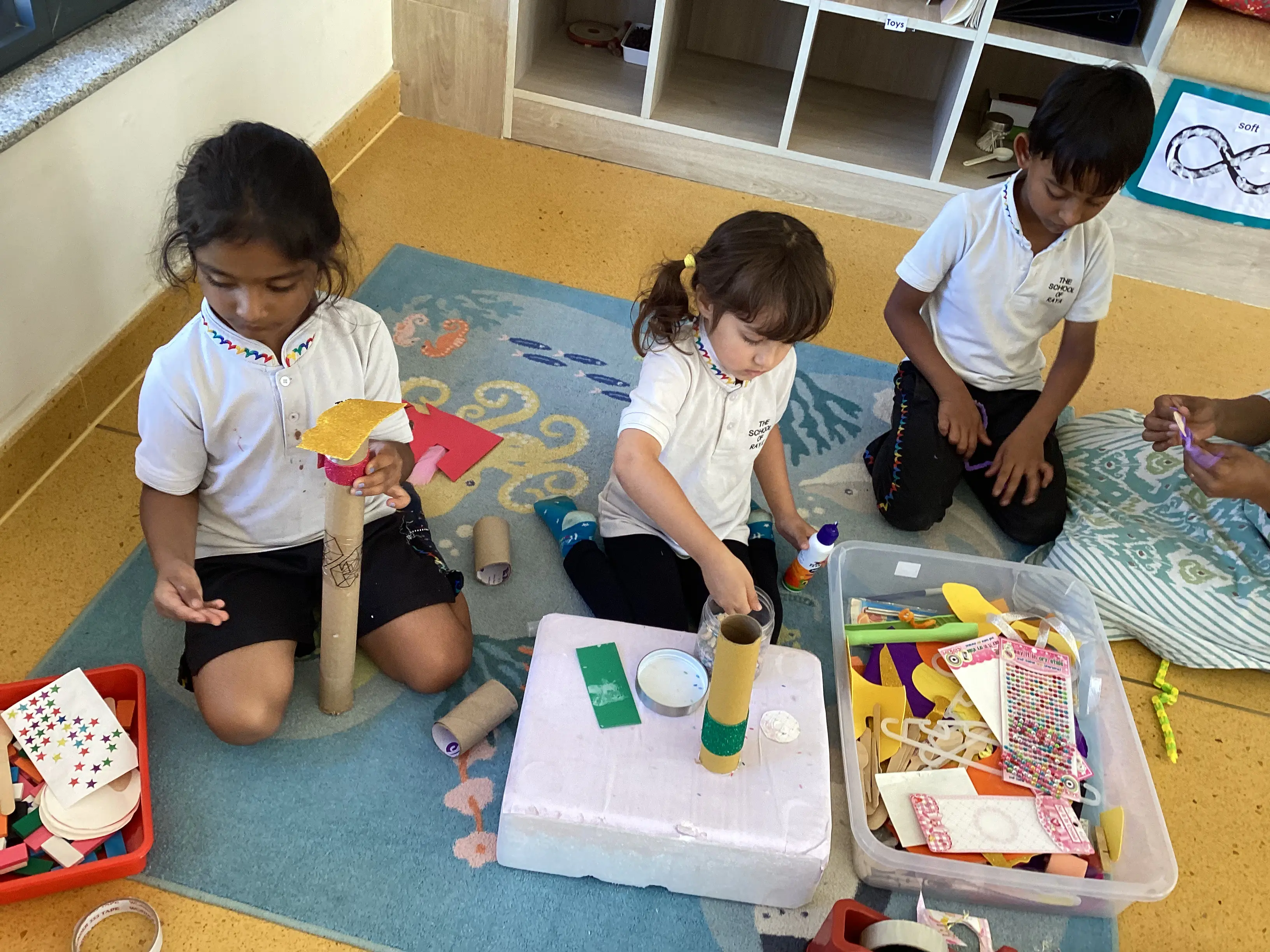
Power of Play and Exploration in Early Years
“Play is the highest form of research.” — Albert Einstein
In early childhood, play is not a distraction from learning. It is the primary medium through which learning happens. At The School of Raya, we design our early years environment around this understanding — creating rich, layered opportunities for children to explore, experiment, and discover.
Structured and Unstructured: A Balance
We distinguish between structured play — guided activities with specific learning intentions — and unstructured play, where children lead and adults observe. Both have a place. Structured play allows teachers to scaffold new concepts and introduce vocabulary in context. Unstructured play allows children to consolidate, transfer, and make sense of what they are learning in their own way.
The most powerful learning environments offer both, and know when to use each.
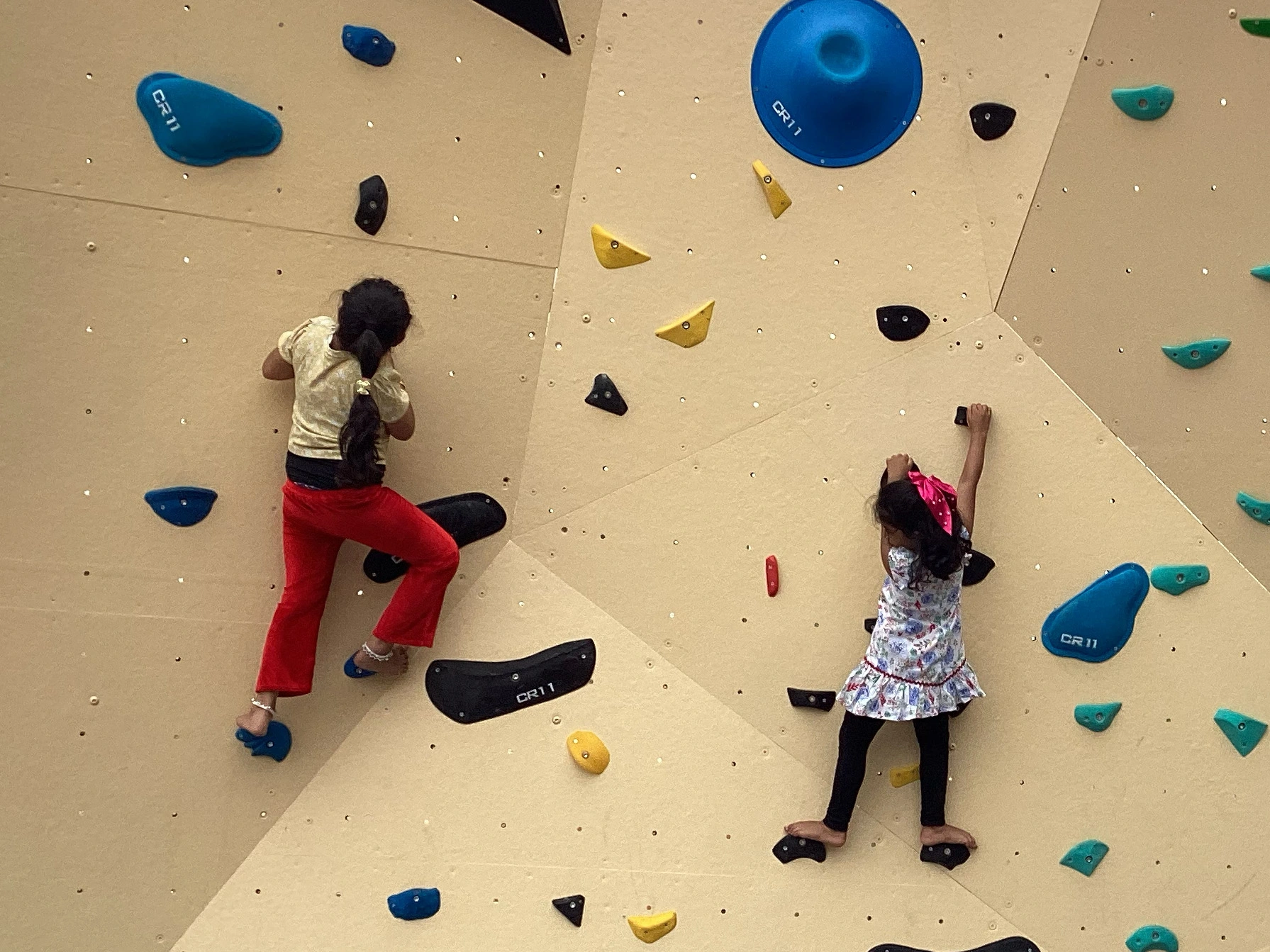
What Play Develops
When children play — really play — they are developing an extraordinary range of capacities. Fine and gross motor skills. Emotional regulation. Language. Spatial reasoning. Empathy. Theory of mind. The ability to delay gratification. The capacity to imagine something that doesn’t yet exist.
No worksheet can replicate this. No structured lesson can do it as efficiently or as joyfully.
The Role of the Environment
At Raya, we think carefully about the physical environment — the materials available, the spaces designed for movement and stillness, the invitations to explore. A well-designed early years environment is itself a curriculum. It provokes questions, invites investigation, and communicates to children that their curiosity is welcome here.
We believe that when children are given the right environment and the freedom to explore it, they will surprise you every time. That is the power of play — and it is the foundation upon which everything else is built.
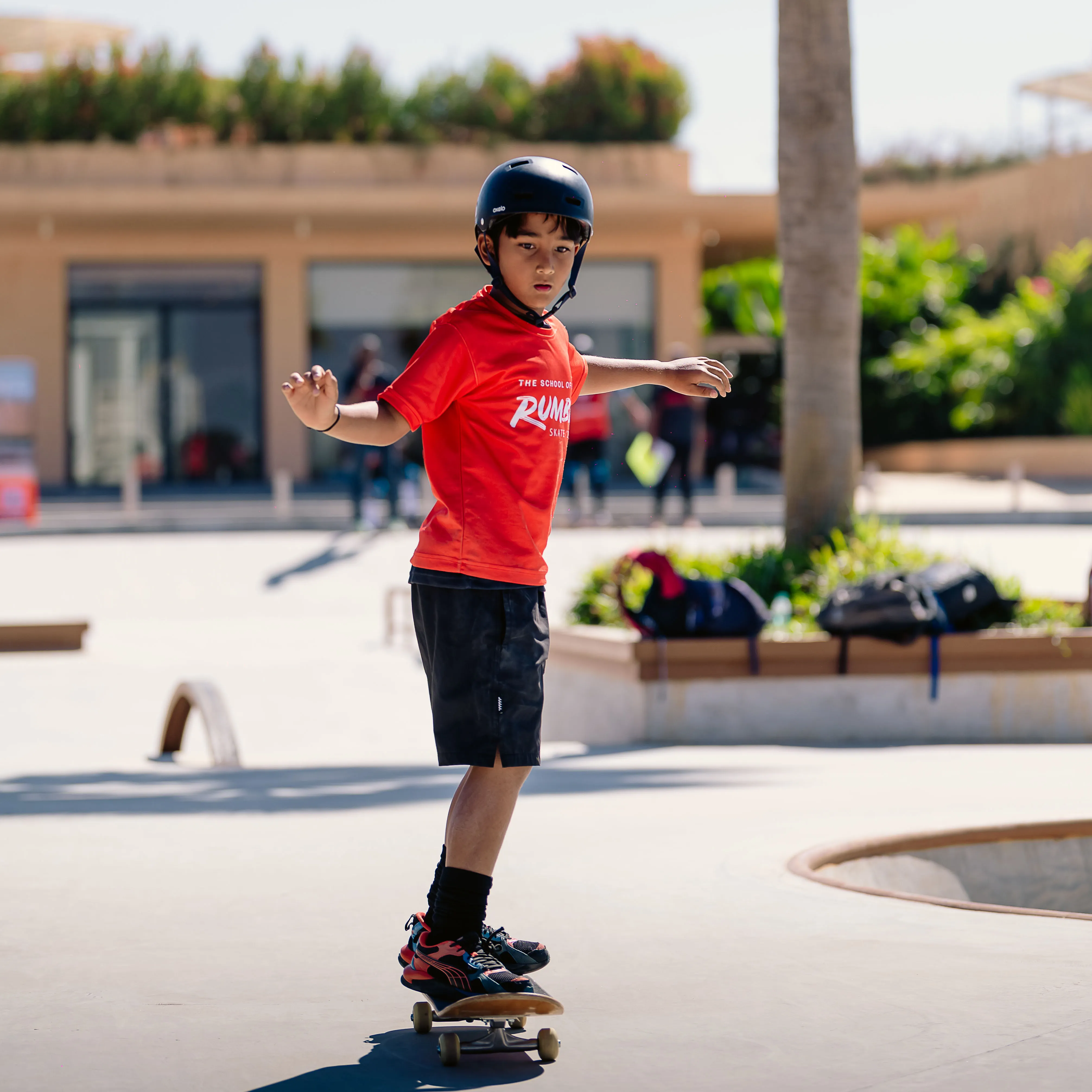
The State of Flow
As I sat down to reflect on the concept of the “state of flow,” I found myself thinking about the moments in life when time seems to disappear — when you are so absorbed in what you are doing that the outside world fades away. Musicians describe it. Athletes call it being in the zone. Writers know it as the hours that vanish when a piece finally comes alive.
Psychologist Mihály Csíkszentmihályi identified this state and named it flow: the experience of complete absorption in a meaningful, appropriately challenging activity. It is characterised by clarity of purpose, immediate feedback, and a sense that what you are doing deeply matters.
Flow in Education
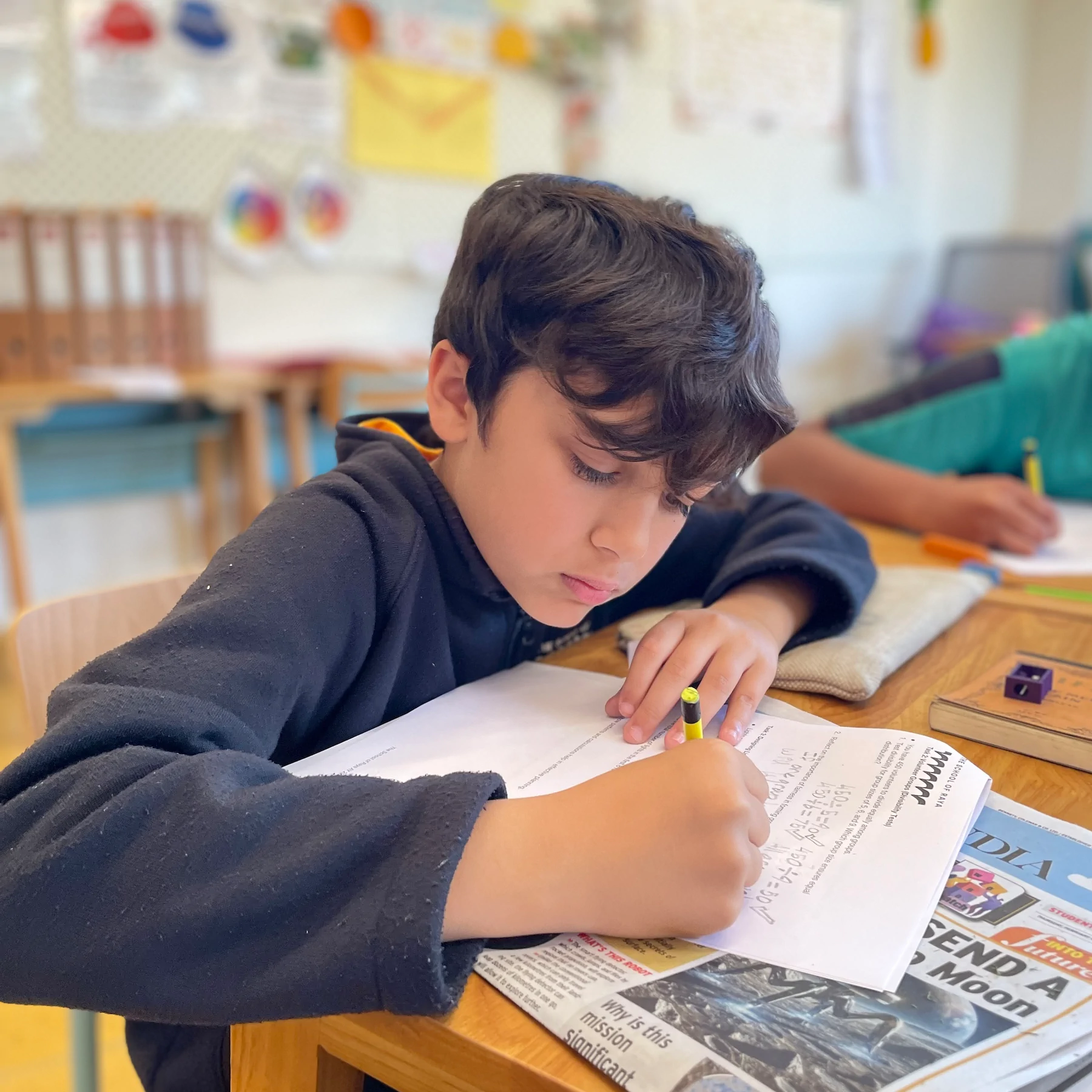
For students, flow is not just a pleasant state — it is a sign that learning is happening at its best. When a student is in flow, they are not performing for a grade. They are genuinely engaged. The challenge is matched to their skill. They are neither bored nor overwhelmed.
This is the sweet spot that every educator hopes to find. And it cannot be manufactured through pressure or compliance. It has to be invited through design — through tasks that are meaningful, appropriately challenging, and connected to something the student genuinely cares about.
How Raya Creates Conditions for Flow
At The School of Raya, we think deliberately about the conditions that enable flow. We reduce unnecessary interruption. We design units around big, genuine questions. We give students time — real time — to go deep rather than always going wide.
We also talk to students about flow directly. We help them recognise it when it happens, and we help them understand what conditions create it for them specifically. Because flow is personal. What absorbs one student might not absorb another.
Purpose-Driven Learning
Flow is most accessible when students understand why something matters — not just to pass an exam, but in a larger human sense. Purpose-driven learning creates the conditions for flow because it connects effort to meaning.
When students find that connection, something shifts. The work stops being something done to them and becomes something done by them, for reasons they own. That is when education becomes transformative.
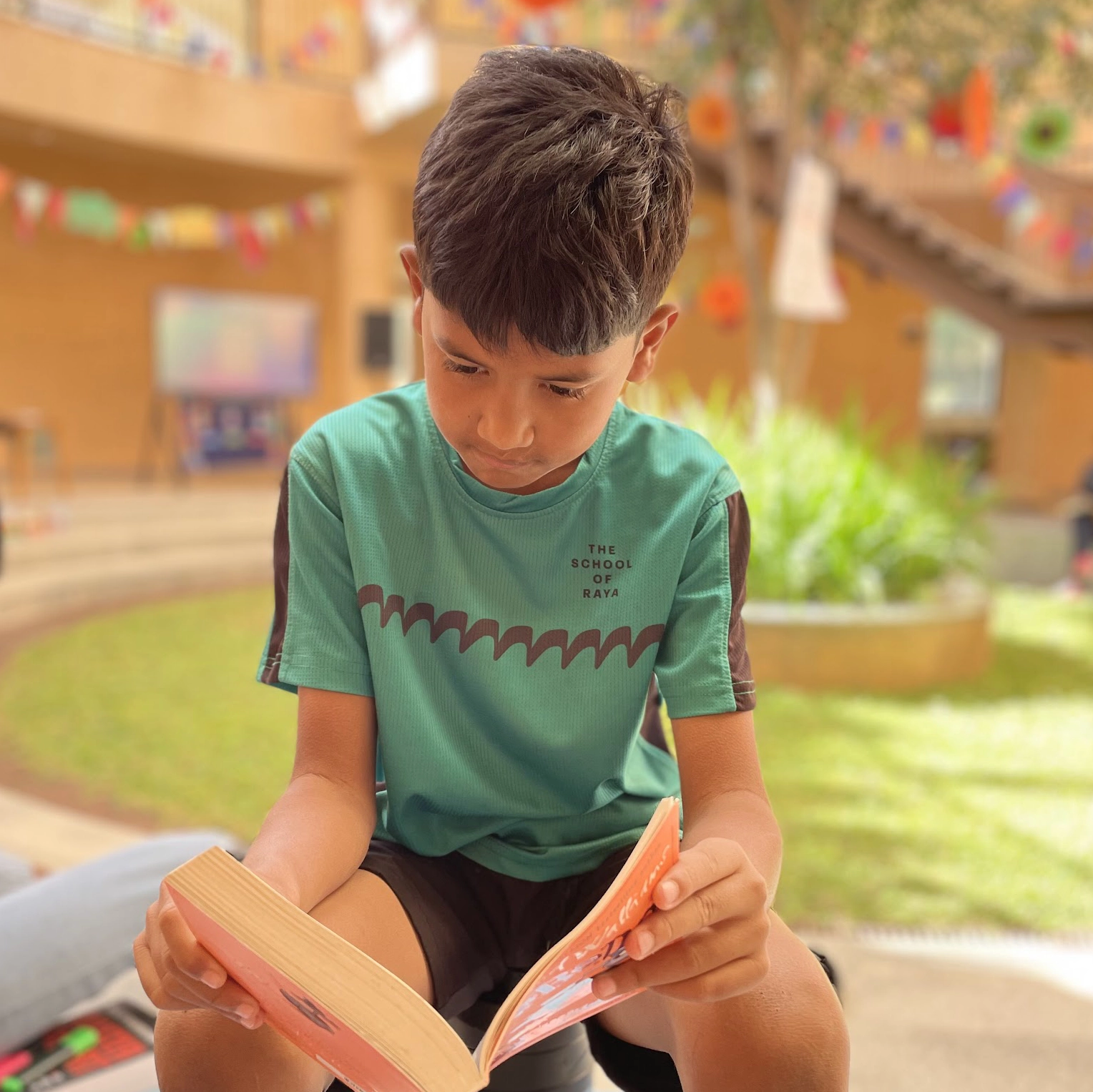
Lifelong Learning: Seeking learning in every experience
Life is a playground of choices, a feast of flavours, and an uncharted adventure all rolled into one. Some of us approach it like a buffet, sticking to what we know — comforting, predictable, and safe. Others are the bold diners, carefully crafting their experience with new and exotic flavours, savouring the experience of discovery.
What ties these perspectives together is a love for experiences. Lifelong learners thrive on this love, guided by curiosity and a growth mindset. Where others might say, “I’ll stick to what I know,” they say, “What can I learn from this?”
What Lifelong Learning Actually Looks Like
Lifelong learning is not about collecting credentials or consuming information. It is a disposition — a way of moving through the world that remains open, curious, and responsive. It is the teacher who becomes a student again when they enter a classroom with a new cohort. The principal who reads outside her field. The coordinator who asks a student to explain something she doesn’t yet understand.
It is modelled as much as it is taught.
Asking Better Questions
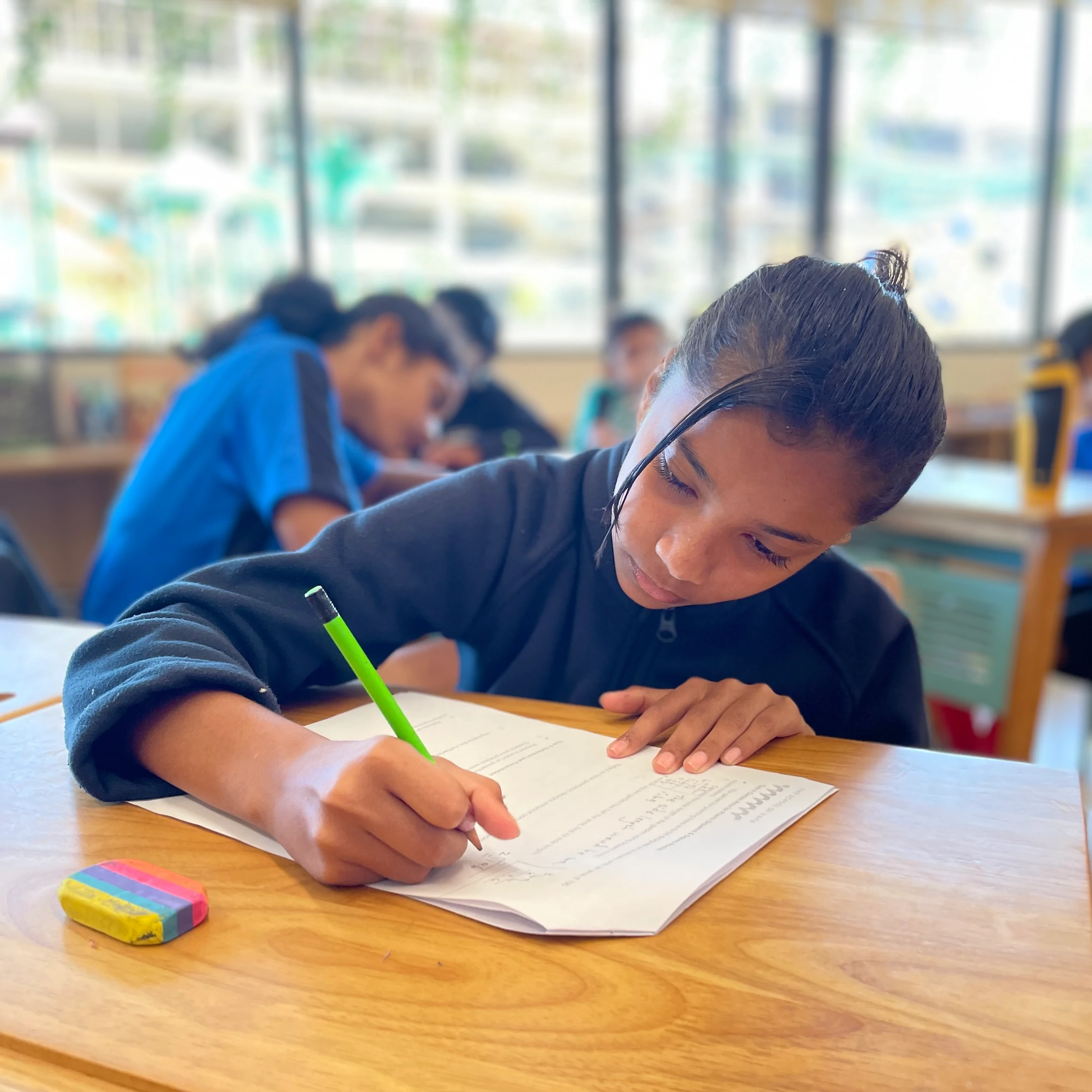
One of the hallmarks of a lifelong learner is the quality of their questions. Not “what is the answer?” but “why does this work this way?” Not “did I get it right?” but “what would happen if I tried it differently?”
At Raya, we cultivate this questioning habit from the earliest years. We celebrate the child who asks “why” seventeen times not as a nuisance, but as a sign that they are paying attention to the world in the right way.
Beyond the Comfort Zone
Growth, almost by definition, requires discomfort. The learner who never encounters a challenge they can’t immediately solve is not being stretched. At Raya, we deliberately design experiences that push students to the edge of their current understanding — and then we support them as they find their footing.
Because the goal is not just to know more. The goal is to become someone who knows how to learn. That skill, once developed, belongs to you forever.