Beyond the Classroom: Why Sport, Creativity and Service Are Essential to a Child's Growth
Discover how resilience, creativity, and compassion is nurtured at The School of Raya through sport, service, and enriching experiences beyond the classroom.
Syam Mohan
July 29, 2026
0
min read
When we think about education, it is often the classroom that comes to mind.
Yet some of the most meaningful learning happens beyond it.
A child discovers resilience after losing a closely contested match. Confidence grows while presenting an original idea. Empathy develops through serving the community. These are not moments separate from education—they are moments that define it.
At The School of Raya, we believe that true learning extends far beyond academic achievement. As an IB Continuum School in Bangalore, we nurture learners who are not only knowledgeable, but also balanced, compassionate, creative, and ready to contribute meaningfully to the world around them.
Sport: Learning to Lead with Resilience
Sport is about much more than winning.
It teaches perseverance, discipline, teamwork, leadership, and respect—qualities that remain with learners long after the final whistle.
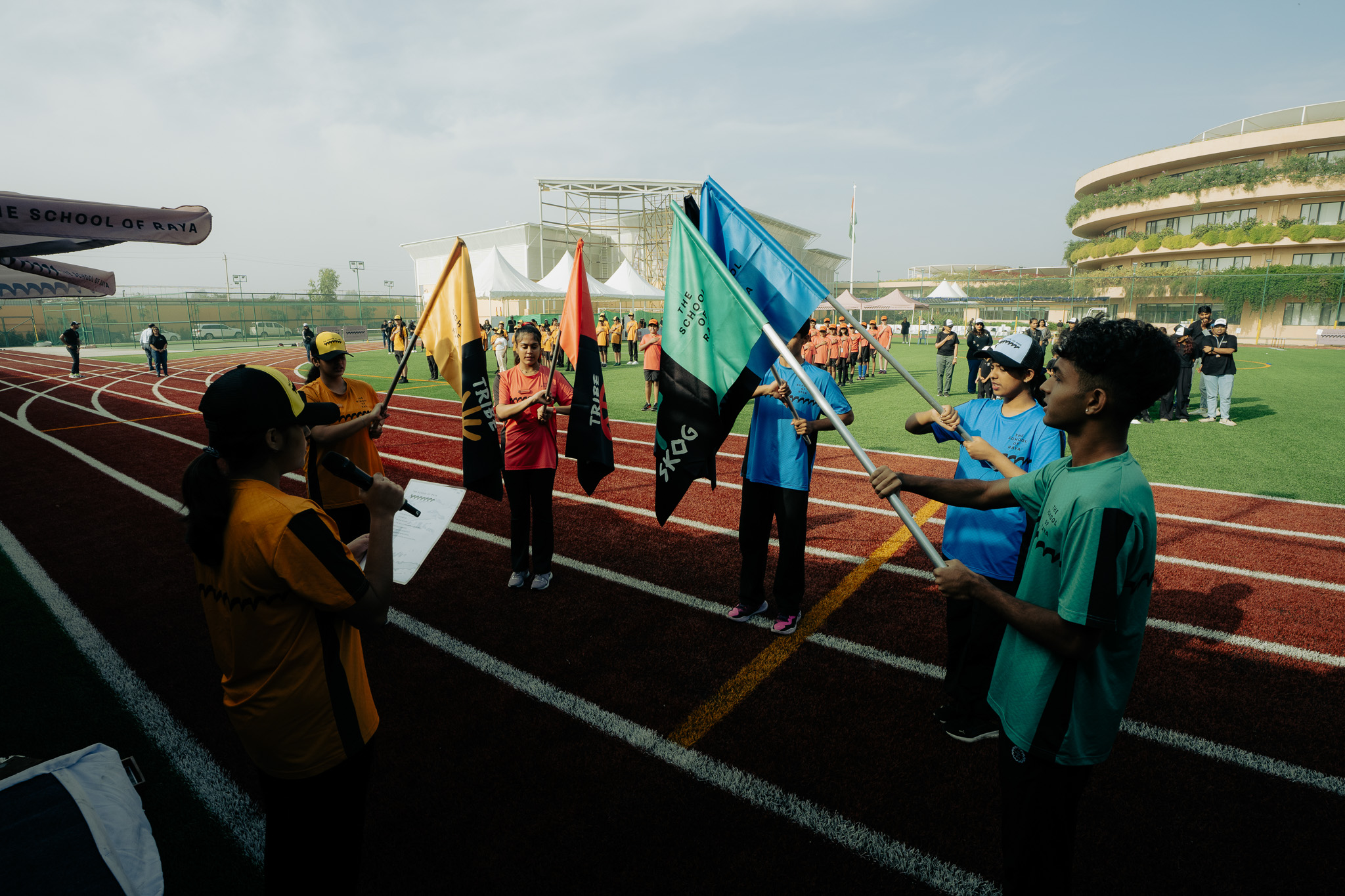
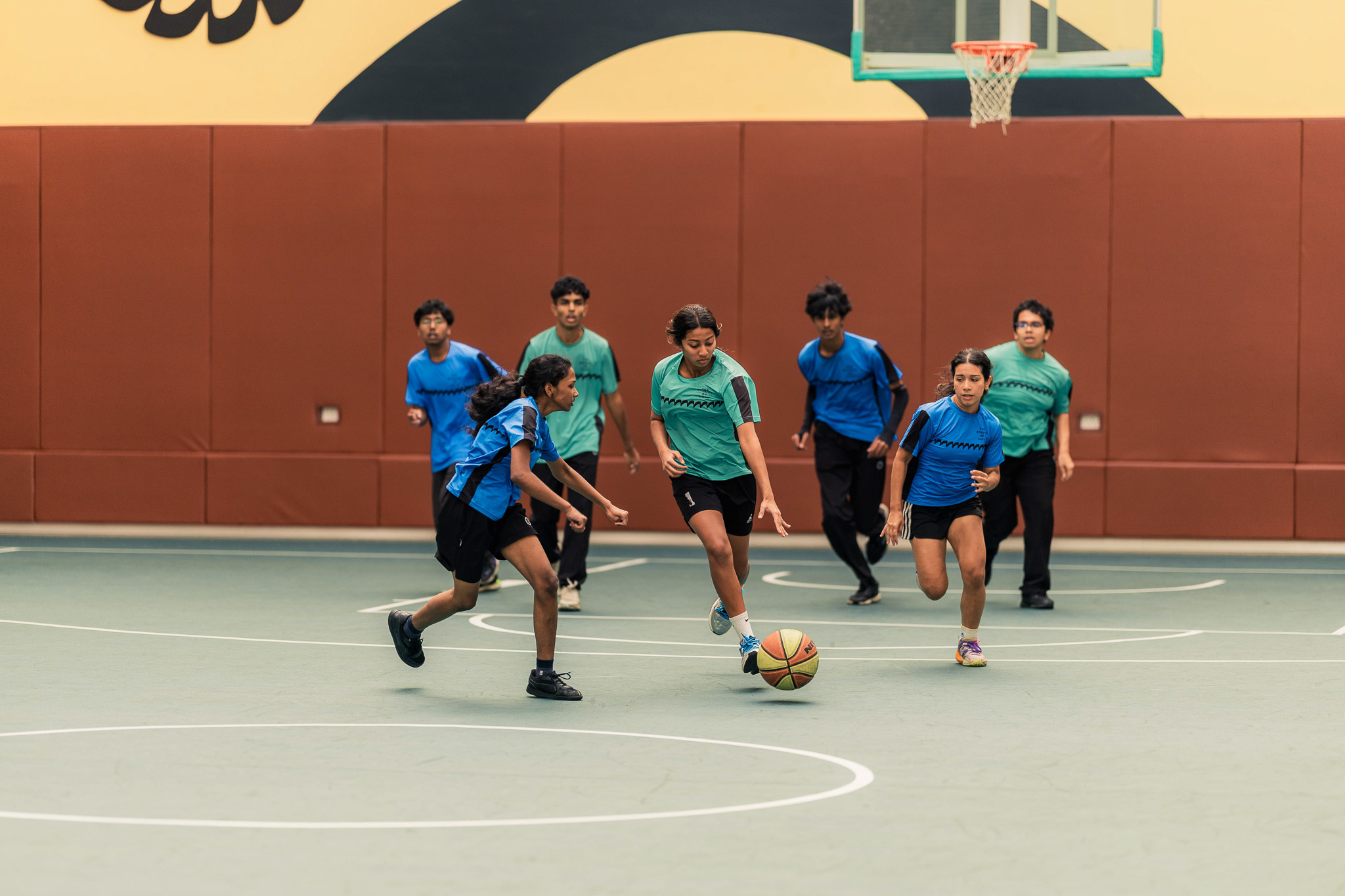
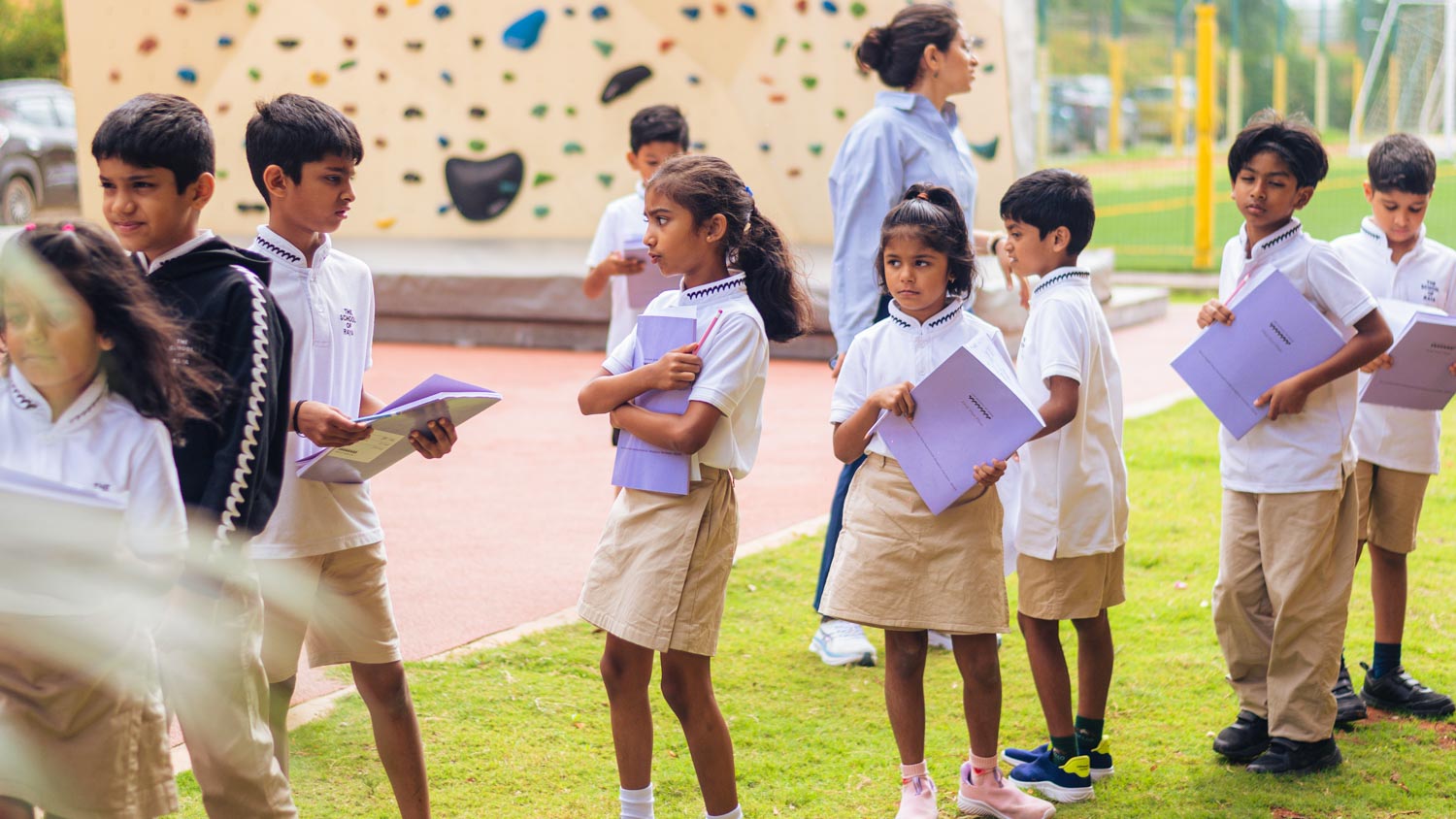
Whether on the football field, basketball court, or athletics track, our students learn how to embrace challenges, celebrate collective success, and grow through setbacks. Every practice, every match, and every reflection builds confidence and character.
These experiences help learners develop the resilience and determination needed to thrive in school and beyond.
Creativity: Turning Ideas into Innovation
Every child is born with the ability to imagine.
The opportunity lies in giving them the confidence to create.
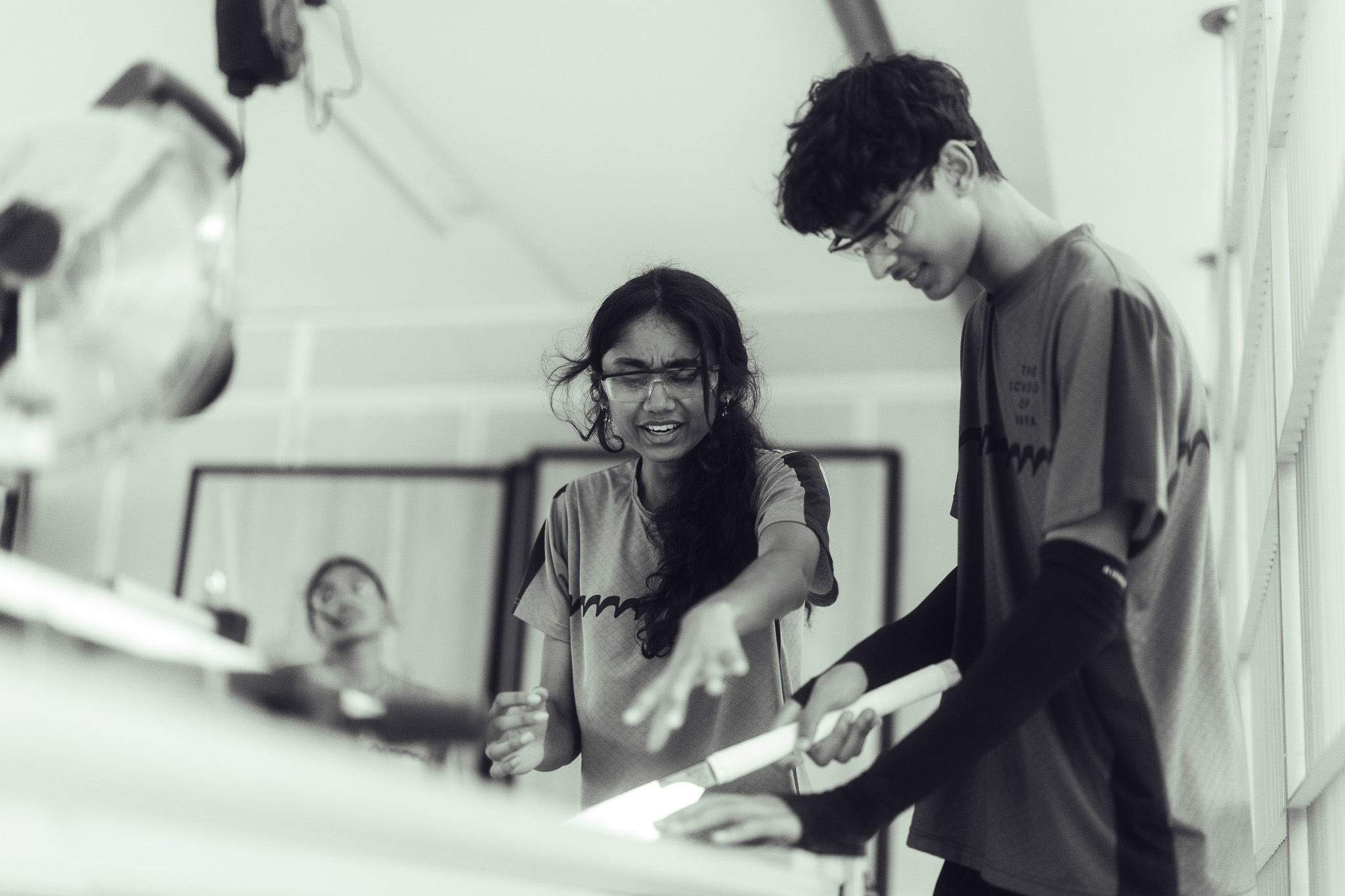
At Raya, creativity is woven into everyday learning. From visual and performing arts to design thinking and hands-on exploration in the Makers' Atelier, learners are encouraged to experiment, take thoughtful risks, and transform ideas into meaningful outcomes.
Creativity is not reserved for artists, it is an essential life skill. It empowers learners to solve problems, think differently, and approach challenges with curiosity and innovation.
Service: Learning with Purpose
Education becomes truly meaningful when learning is connected to others.
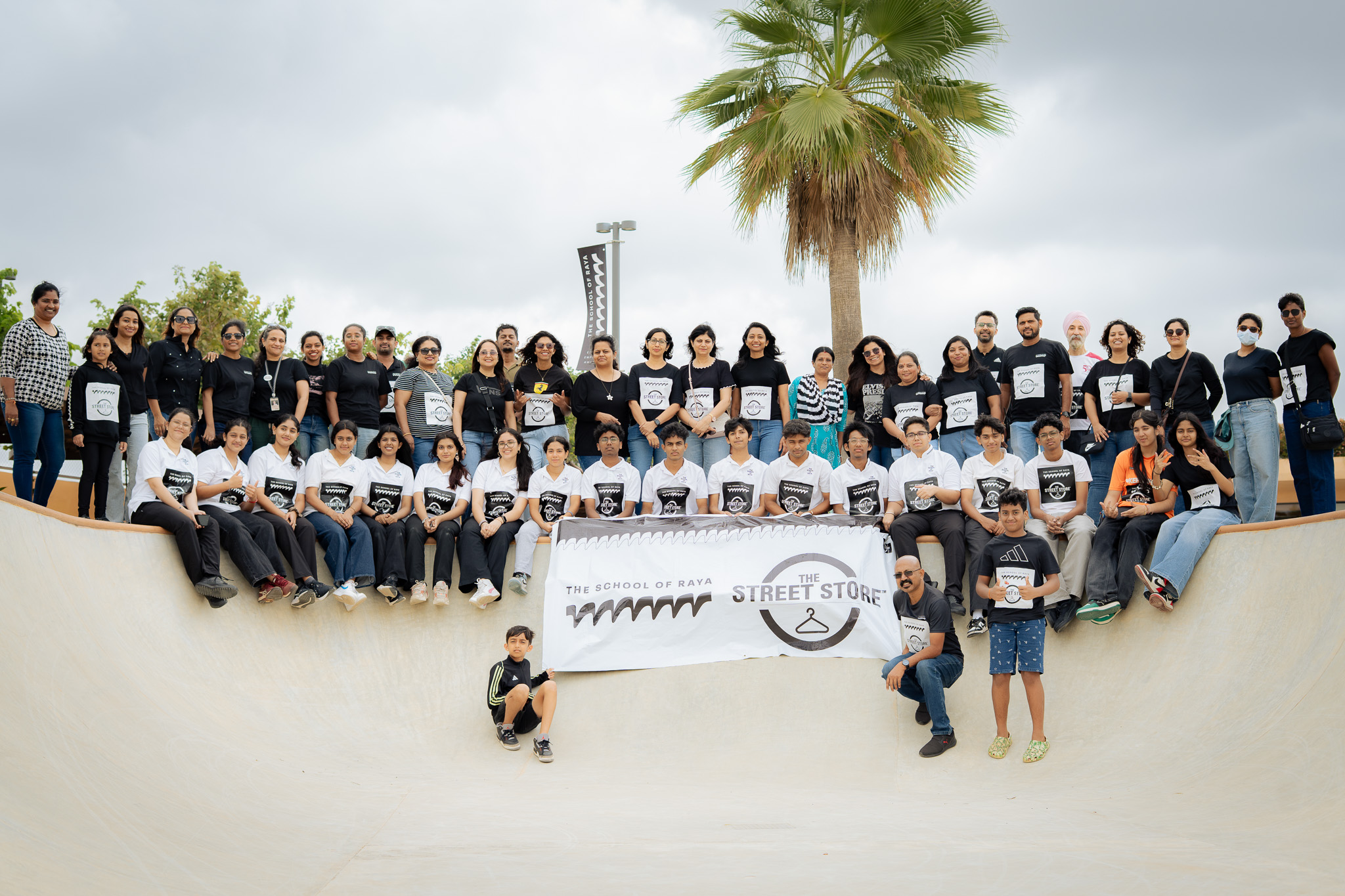
Through service learning, students discover that even small actions can make a meaningful difference. They learn to listen, collaborate, and contribute with empathy while developing a deep sense of responsibility towards their communities.
Service is not simply about giving back. It is about understanding different perspectives, building meaningful relationships, and recognising that every learner has the ability to create positive change.
These experiences shape compassionate individuals who understand that leadership begins with service.
A Holistic Education for an Ever-Changing World
The International Baccalaureate (IB) believes that education should develop the whole child.
Across the Primary Years Programme (PYP), Middle Years Programme (MYP), and Diploma Programme (DP), learners are encouraged to grow intellectually, physically, emotionally, socially, and ethically.
At The School of Raya, this philosophy comes to life every day. Academic learning is enriched through sport, creativity, and service, enabling learners to become confident thinkers, collaborative leaders, and responsible global citizens.
Because success in tomorrow's world will not be defined by knowledge alone.
It will be shaped by resilience, imagination, empathy, and purpose.
Education is not measured solely by what learners know.
It is reflected in who they become.
Every classroom discussion, every creative project, every sporting challenge, and every act of service contributes to a journey that prepares learners not just for university, but for life.
Because when learning extends beyond the classroom, children don't simply achieve.
They flourish.
Written by
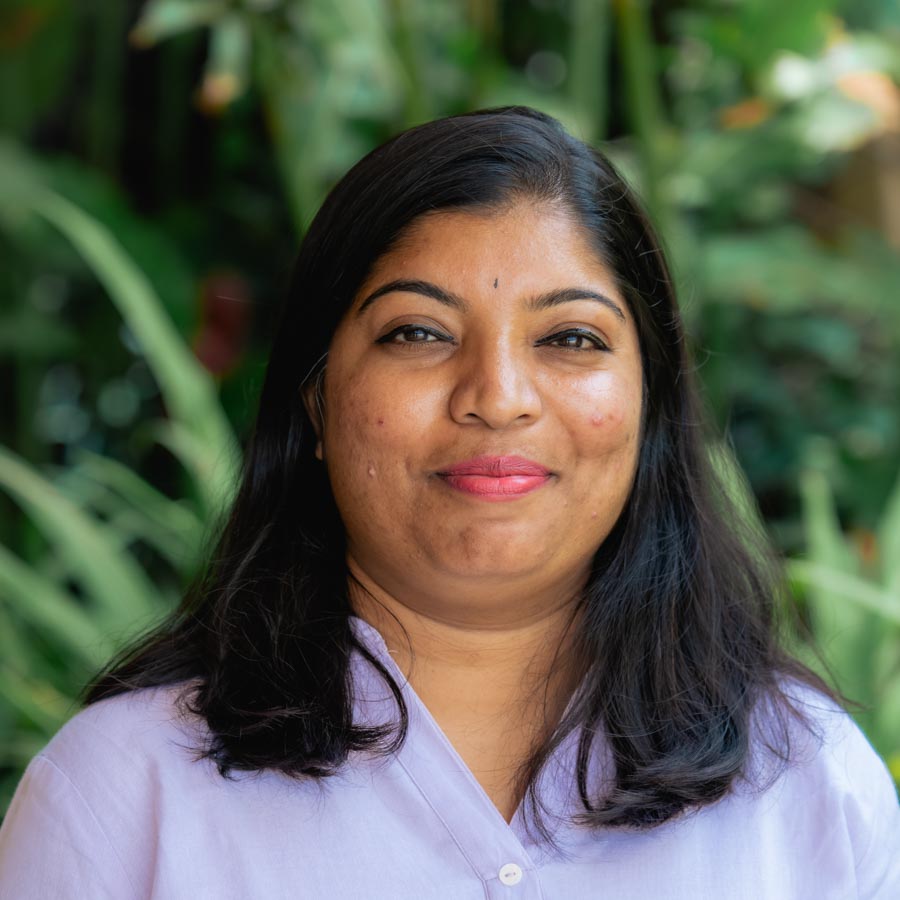
Syam Mohan
Sports Director
Syam is an educator whose goal is for every student to feel seen, heard, and acknowledged on the sports field - and to find the joy of being active every single day.
Explore more stories
Campus Life
Nobody Notices a Bus That Arrives on Time
A reflection on the often-invisible work of school administration—and how transport, procurement, facilities and events quietly create the conditions in which students can focus, learn and thrive.
Shilpa B
September 8, 2026
•
0
min read
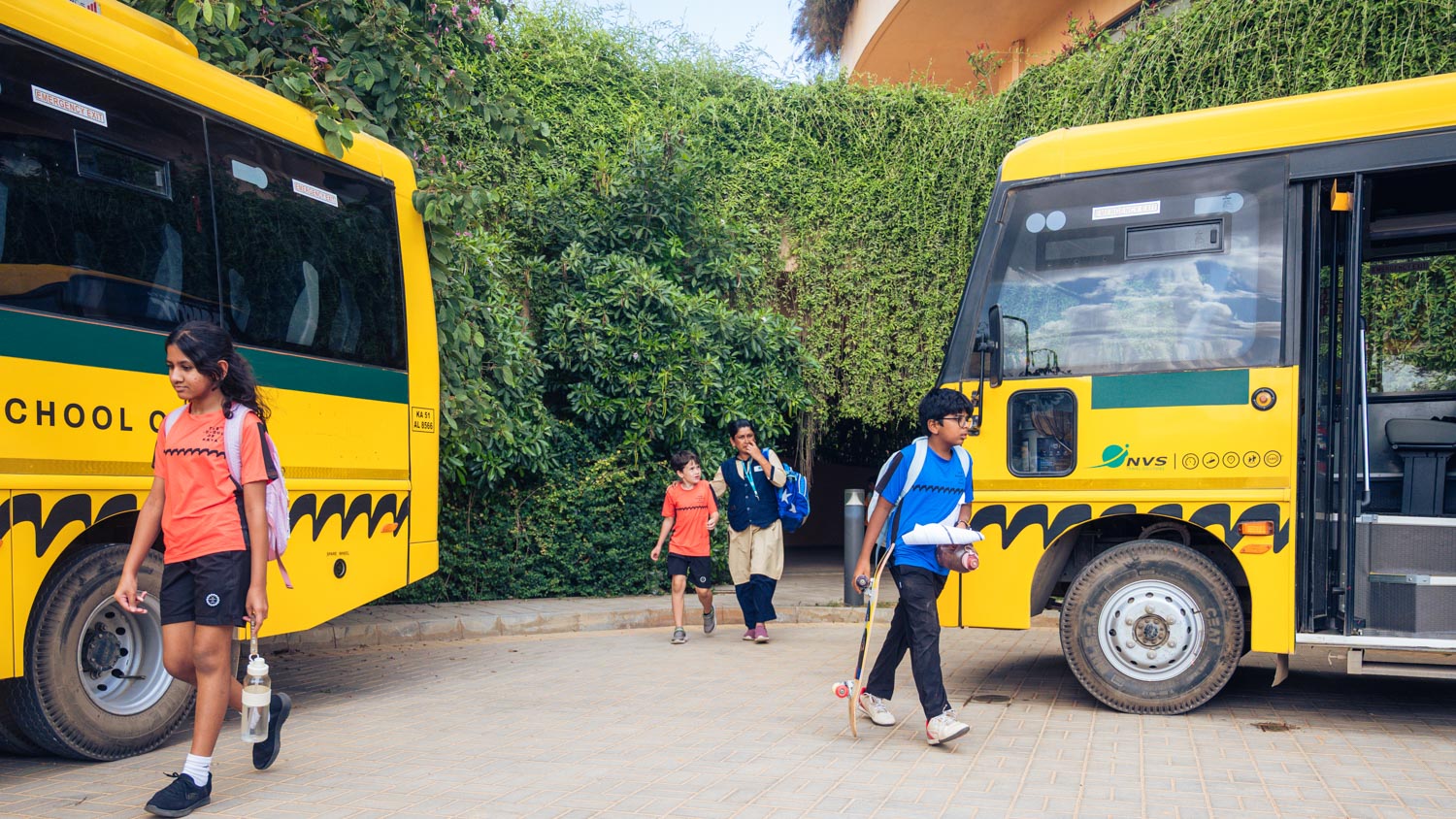
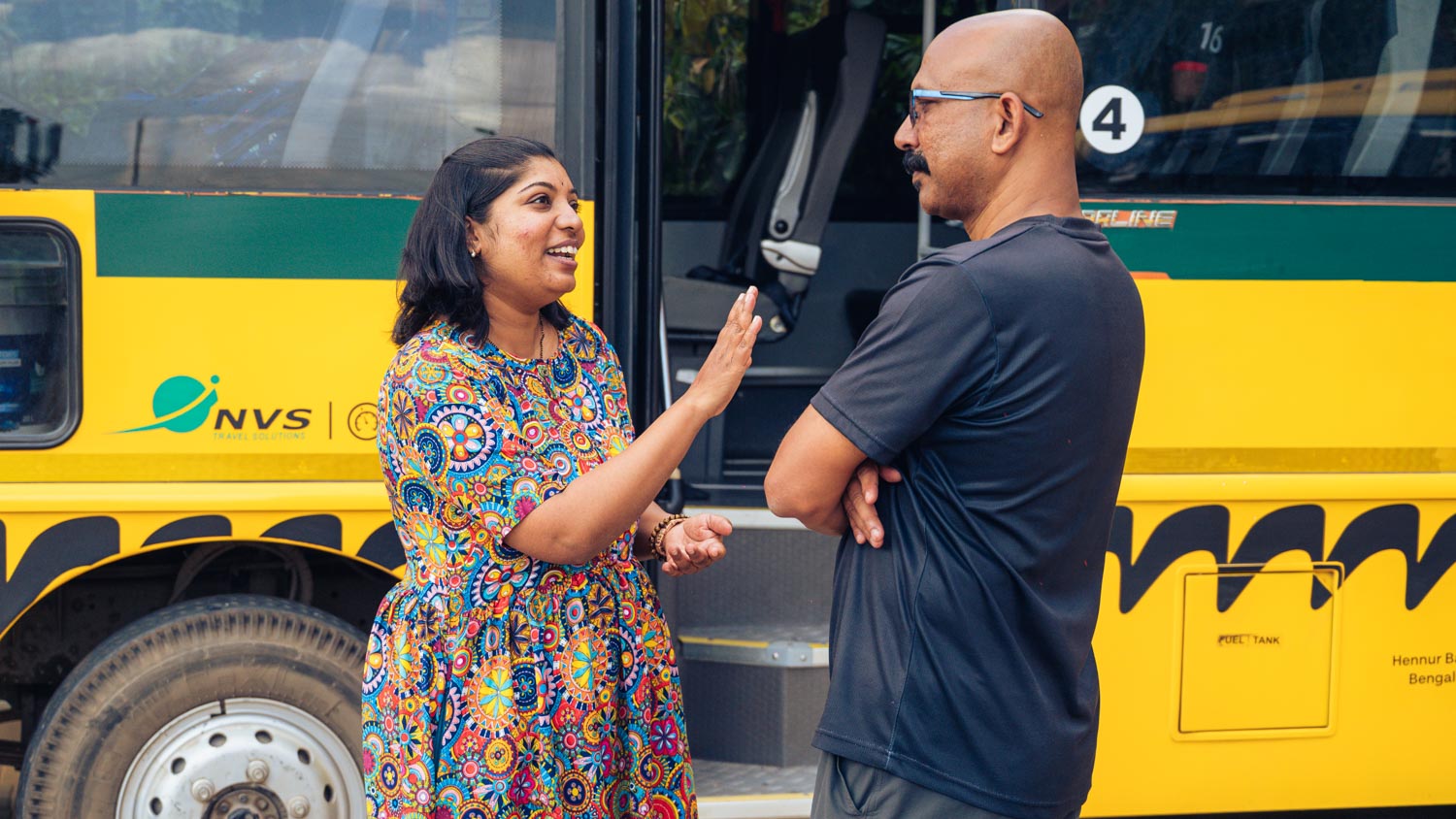
Nobody has ever thanked me for a bus that arrived on time.
That isn't a complaint. It's the job. Most of my work only becomes visible when it fails — the washroom that isn't clean, the jersey that didn't arrive before the match, the first-aid kit that was short of something. When it goes right, it disappears. A student walks through an entire school day without once having to think about how any of it got there.
I've come to believe that disappearing is the point.
The morning before the morning
By the time the first students arrive, a fair amount has already happened.
Transport is usually first. Routes, timings, a change in a family's pick-up point, a driver caught in traffic, a parent who needs to know where the bus has reached. A bus arriving safely and on schedule looks like the most routine thing in the world. Making it routine is not routine at all.
Then the campus has to be ready. Housekeeping, security, facilities, the cafeteria, the infirmary — each team has its own morning, and a lot of my job is being the thread between them. Someone has to notice the thing that would otherwise be nobody's particular responsibility. Usually that is me.
Procurement is not shopping
The largest part of my week is getting things to the people who need them.
It rarely looks the way people assume. A teacher raises a requirement. We find suppliers, ask for quotations, compare them, check the specifications against what was actually wanted, get approvals, place the order, and then follow it through production and delivery until the thing is physically in the right hands.
Sometimes that takes a week and goes smoothly. Sometimes stock runs out, the requirement changes halfway, the timeline shortens, and the plan I made stops being useful. That is the part of this work I have had to learn — not how to follow a process, but what to do when the process no longer fits.
What I notice now
Working in administration has changed what I see when I walk across campus.
A clean washroom. A stocked first-aid kit. A uniform available on the day a student needs one. A certificate printed correctly. A visitor guided to the right place instead of left standing in a corridor. A team that has the equipment it was promised.
None of these matters much on its own. Together they are most of what it actually feels like to be in a school.
So a good part of the job is simply looking. Listening when somebody mentions something in passing, before it becomes a complaint. Asking whether a thing that has always been done a certain way is still the right way to do it.
An event is the same job, compressed
A field trip, a sports fixture, an inter-school competition. To a student it is one day. Underneath it there is transport, timings, permissions, food and water, equipment, security, housekeeping, communication, half a dozen vendors, and a plan for what happens if any one of those falls through.
Then something falls through anyway, and you deal with it while the day carries on around you.
The satisfaction comes from watching students enjoy something with no idea what it took. That is not a small feeling. It is the entire feeling.
Why I think this counts as teaching
Here is what I have slowly worked out.
A student who has to wonder whether the bus will come, whether the equipment will be there, whether the room will be usable, is spending attention on things that have nothing to do with learning. Attention is finite. Every question we answer before anyone has to ask it is attention handed back.
That is what the work is for. Not tidiness. Not efficiency. Concentration.
When teachers have what they need, they teach. When transport runs, families begin the day without anxiety. When the campus is ready, a student's whole attention is available for whatever they are actually here to do.
None of it shows up anywhere. It isn't meant to.
That is the reason to do it carefully.
Campus Life
When Students Can See the Maths, They Can Talk About It
Through visual representations, mathematical language and opportunities to question and rethink, students developed greater confidence in communicating their thinking and approaching unfamiliar problems.
Bhavadharini
September 1, 2026
•
0
min read
“Mathematics is a subject that is all about creativity, making connections, and sense-making.” — Jo Boaler
When students can see the maths, they can talk about it.
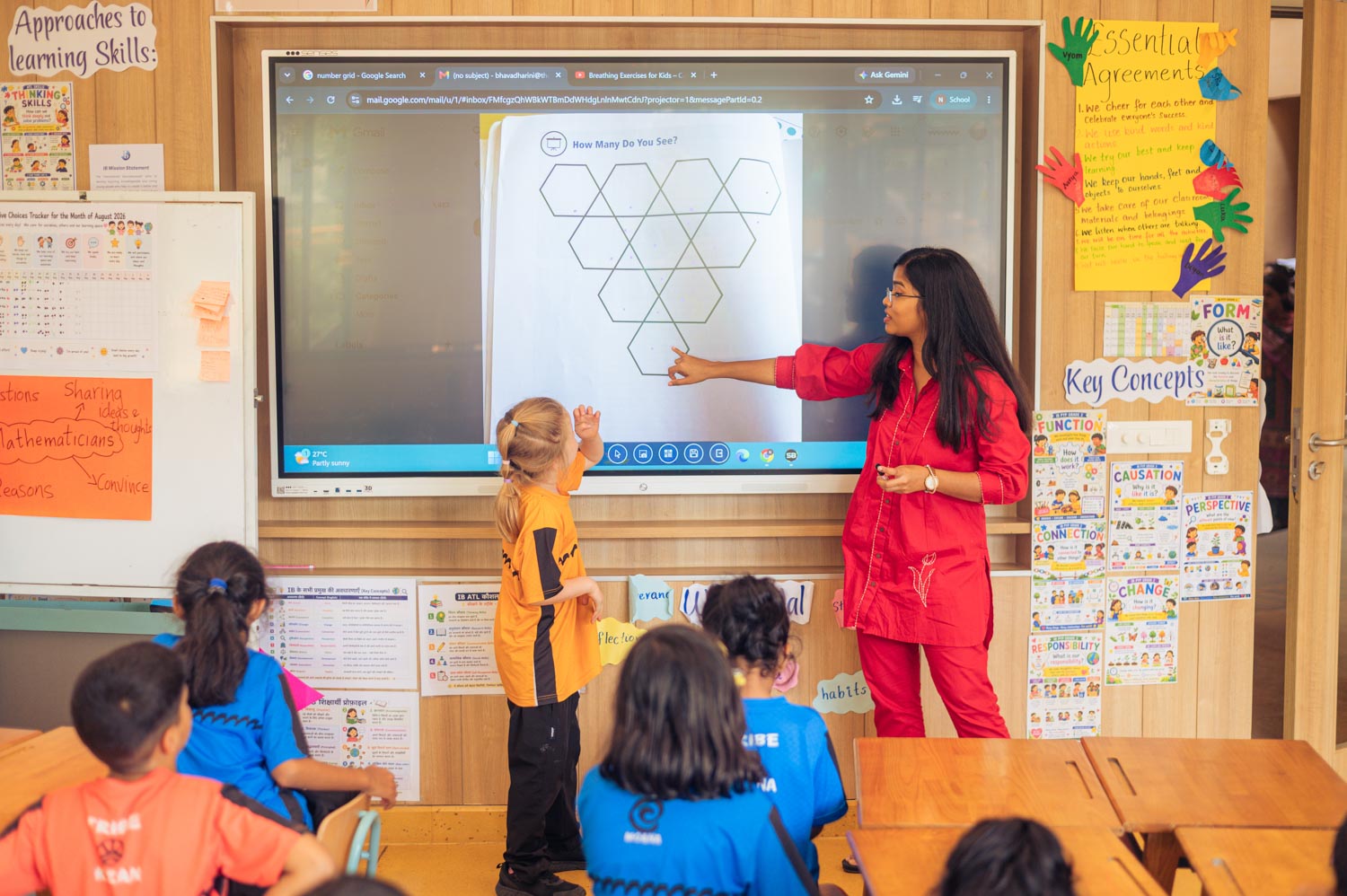
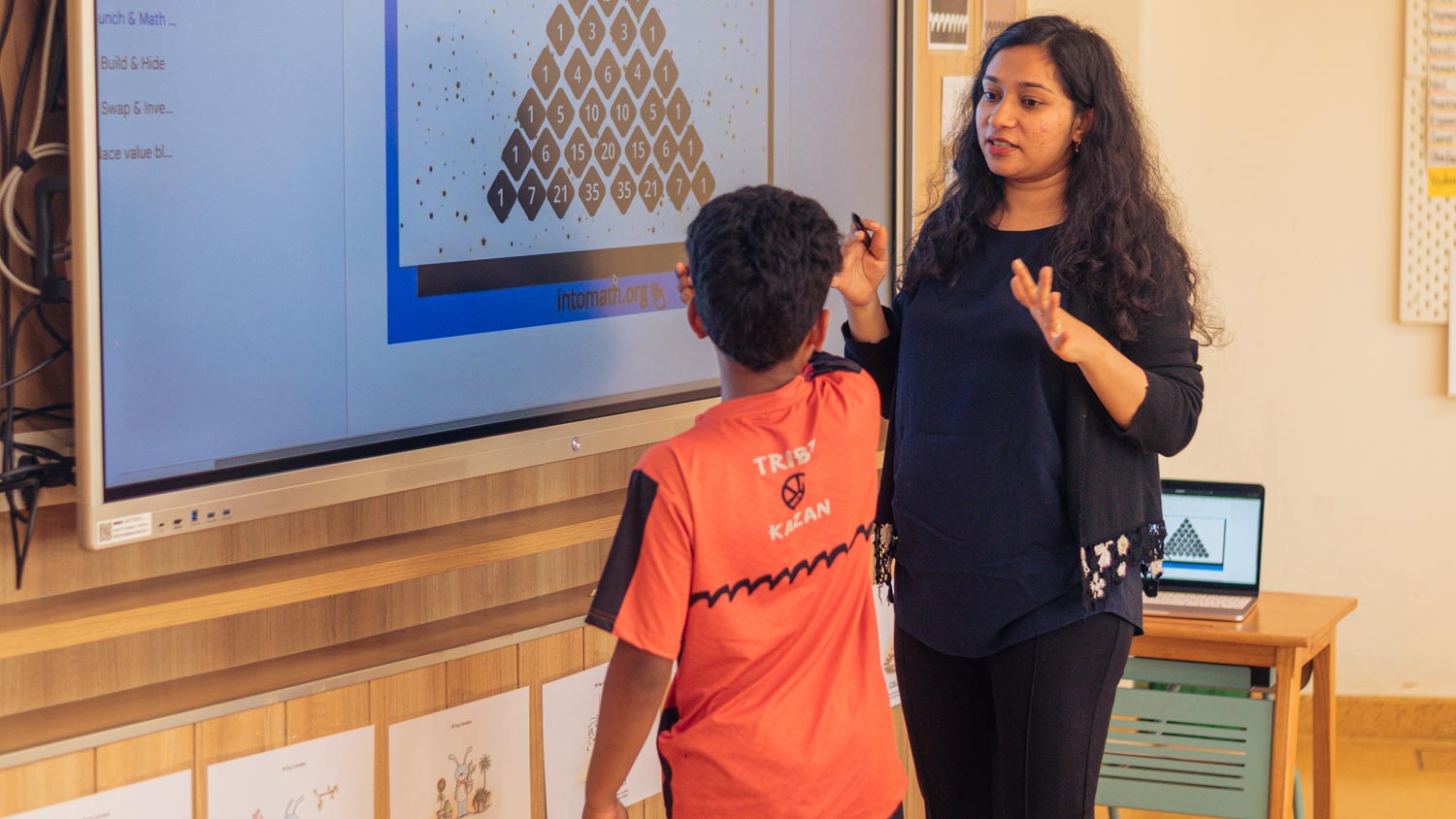
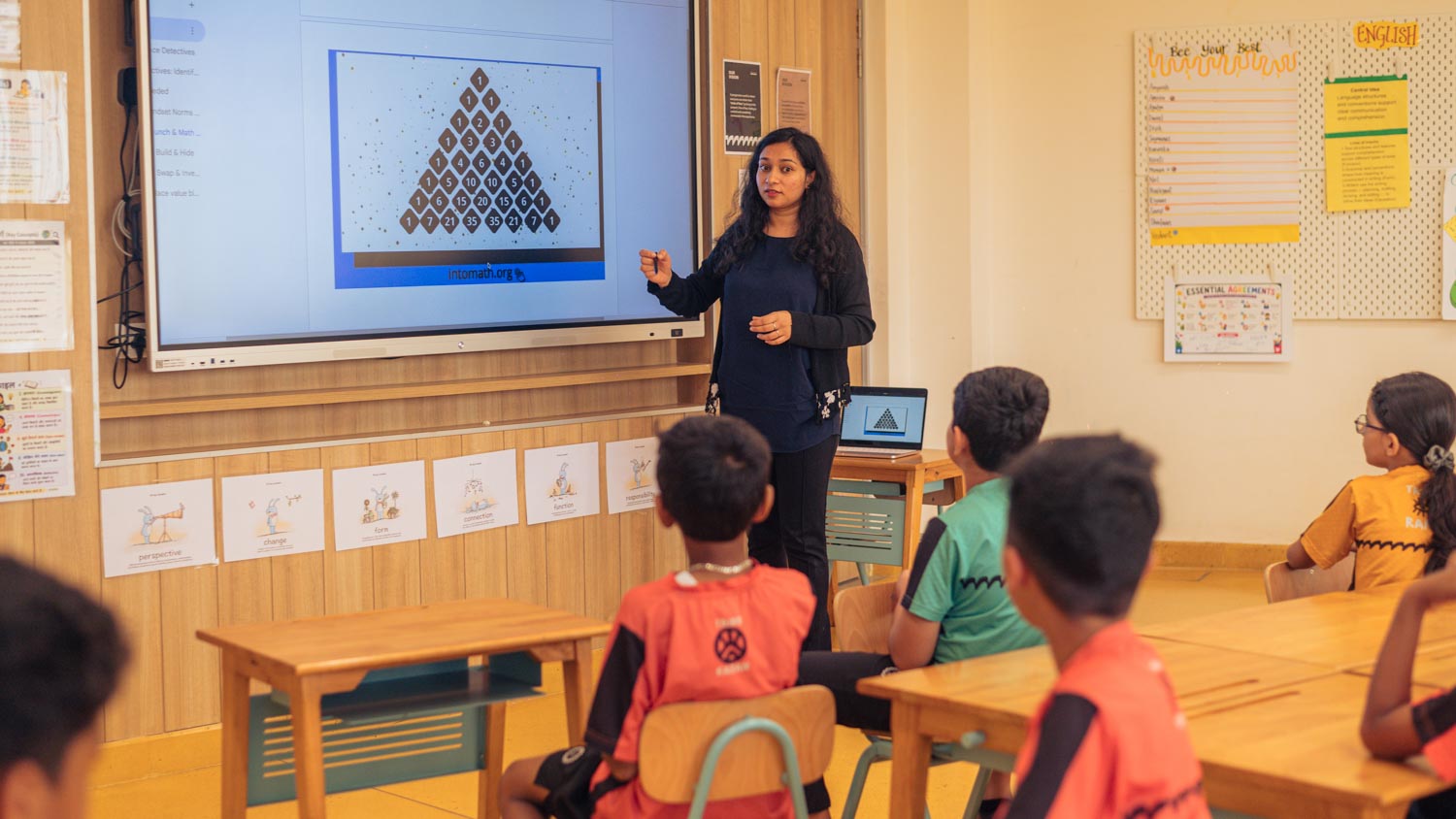
This became the core idea behind our Grade 2 Math Talk journey. It started with simple but intriguing mathematical images—dot patterns, tens frames, number lines and visual models—and invited students to look closely before looking for an answer. We wanted them to notice the mathematics, make connections and find a way to communicate what they were seeing.
The Answer Was Never the Whole Story
In mathematics, the final answer can sometimes hide the thinking that produced it. Two students can arrive at the same answer while seeing the mathematics in completely different ways. One might count, another might group, another might partition, while another might recognise a relationship immediately. We wanted Math Talk to open up those different ways of seeing.
We wanted students to experience the jobs of mathematicians—to explain, justify, convince, reason and share. The focus was not simply on whether students could solve a problem, but whether they could communicate the mathematical thinking behind their solution.
When a Picture Becomes Mathematics
The representations became particularly powerful because they helped make mathematical relationships visible. Students could see quantities, structures and connections that might otherwise have been difficult to hold in their minds.
Instead of carrying several relationships mentally, they had something in front of them that they could return to, manipulate and compare. This helped reduce some of the cognitive load involved in working with multiple pieces of mathematical information at once.
The visual was not there to make the mathematics more attractive.
It was there to make the mathematics easier to see and think about.
From “I Did It” to “I Know Why”
Once students had something they could see and work with, we needed to give them the language to communicate their thinking. We intentionally introduced mathematical vocabulary such as partition, compare, represent, strategy, justify, reason and convince.
These words were not introduced simply for students to remember. They became part of the way students communicated mathematical relationships and explained their choices. Their explanations began to move beyond what they had done towards why they had done it.
This connected strongly with Jo Boaler’s emphasis on mathematical reasoning. Explaining mathematical work is not something that happens after the mathematics; it is part of the mathematics. A correct answer could tell us where a student had arrived. Their explanation helped us understand how they had got there.
Let the Mathematics Do the Talking
As Math Talk developed, we began listening beyond the final answer. Could students explain a relationship? Could they justify a strategy? Could they use evidence to support their thinking? Could they compare different approaches and explain what they noticed?
The jobs of mathematicians began to become part of the mathematical work itself. Students were explaining, justifying, convincing, reasoning and sharing ideas that could be examined. An answer could become the beginning of another question rather than the end of the task. A strategy could be challenged. A representation could reveal something unexpected. Students could return to the mathematics and ask:
“What makes this make sense?”
What Happens When the Answer Doesn't Work?
Some of the richest moments came when students were unsure. A strategy might lead to an unexpected answer, a representation might reveal something they had not anticipated, or a problem might reach a point where they did not know what to try next.
Instead of immediately providing another procedure, we gave students time to stay with the mathematics. They could return to the representation, rearrange the objects, redraw the model, adjust the number line or try representing the problem in another way. Gradually, students became more willing to remain in that uncertainty. They tried another possibility, reconsidered an earlier idea and continued working when their first approach did not succeed.
This changed the way we looked at mistakes too. An unexpected answer could reveal something about how a student was thinking. Rather than treating the mistake only as something to correct, we could use the representation to investigate the reasoning behind it. Jo Boaler’s idea that “Every time a student makes a mistake in math, they grow a synapse” resonated with this approach. The value was not in making a mistake, but in what the mistake allowed us to investigate.
Slow Down. There Is More Mathematics Here.
Another idea from Boaler resonated strongly with our experience: some mathematicians are not particularly fast with numbers because they “think deeply and carefully about mathematics.” This challenged the assumption that speed is a measure of mathematical ability. Math Talk created space for students to pause, look again, represent an idea and reason before moving forward. Sometimes, slowing down was what allowed students to see something they had missed the first time.
One Idea, Many Ways to See It
As students became familiar with different representations, they began to recognise that the same mathematical idea could look different depending on how it was represented. A tens frame might reveal composition. An open number line might make jumps and relationships visible. A drawing might expose the structure of a problem. An equation might express the same relationship symbolically.
This led to an important question:
What does each representation help us see?
Students began to understand that representations were not simply different ways of recording an answer. Each could reveal something different about mathematics.
When the Thinking Travels
The next question was whether these ways of thinking would transfer when the mathematical context changed. We began noticing students using mathematical practices in situations that did not look exactly like the examples they had encountered before. They could represent an unfamiliar problem, look for relationships and draw on reasoning even when a familiar procedure was not immediately available.
Transfer was not simply remembering a strategy. It was knowing when mathematical thinking could help.
This was also where we began to see students making more decisions within mathematics. They could consider which representation might help, how they could show their thinking and which strategy might make sense for the problem in front of them.
They were not simply waiting for the next instruction.
They were beginning to decide how to enter mathematics.
Looking back, the shift was not simply about students talking more. It was about giving students more ways to see, represent and reason about mathematics. The visual representation gave mathematical thinking a form. Language helped students articulate it. Math Talk gave them a space to examine it. Difficult moments gave them opportunities to revisit and rethink. Different representations opened possibilities for mathematical choice, and these practices began to travel into new situations.
What began with mathematical provocations and visual representations gradually became a different way of approaching mathematics. Students were not only looking for an answer; they were looking for relationships, making sense of what they saw, explaining their choices and deciding how they wanted to approach a problem.
Ultimately, the question is not simply, “Can the child get the answer?”
It is: “Can the child see mathematics, make sense of it, represent it, explain it, justify it, convince others and reason about it?”
Because when students can see the maths, they can talk about it. And when they can talk about it, they can begin to do the jobs of mathematicians.
Campus Life
The Energy of Math Talk: What Happens When Students Are Free to Share
A reflection on how math talk transformed Grade 2 classrooms by creating space for students to notice, reason, question, and share their thinking with confidence.
Syeda Nida
August 25, 2026
•
0
min read
There is a particular kind of energy in a classroom when every student wants to speak. Not because they know the "right" answer — but because they simply want to share what they see. That was the shift I witnessed in our Grade 2 math talk sessions last year, and it changed how I understood what a math classroom could feel like.
Looking back at where this began last year, our sessions looked very different. Students were eager to arrive at answers but hesitant when asked how or why — their thinking stayed internal, shared only in fragments. That observation pushed us to rethink our approach, drawing on Mathematical Mindsets by Jo Boaler and its emphasis on visual thinking, discussion, and a growth mindset. The real shift began with one small change: asking "what do you see?" instead of "what is the answer?"
Where It Started: Just Saying What You See
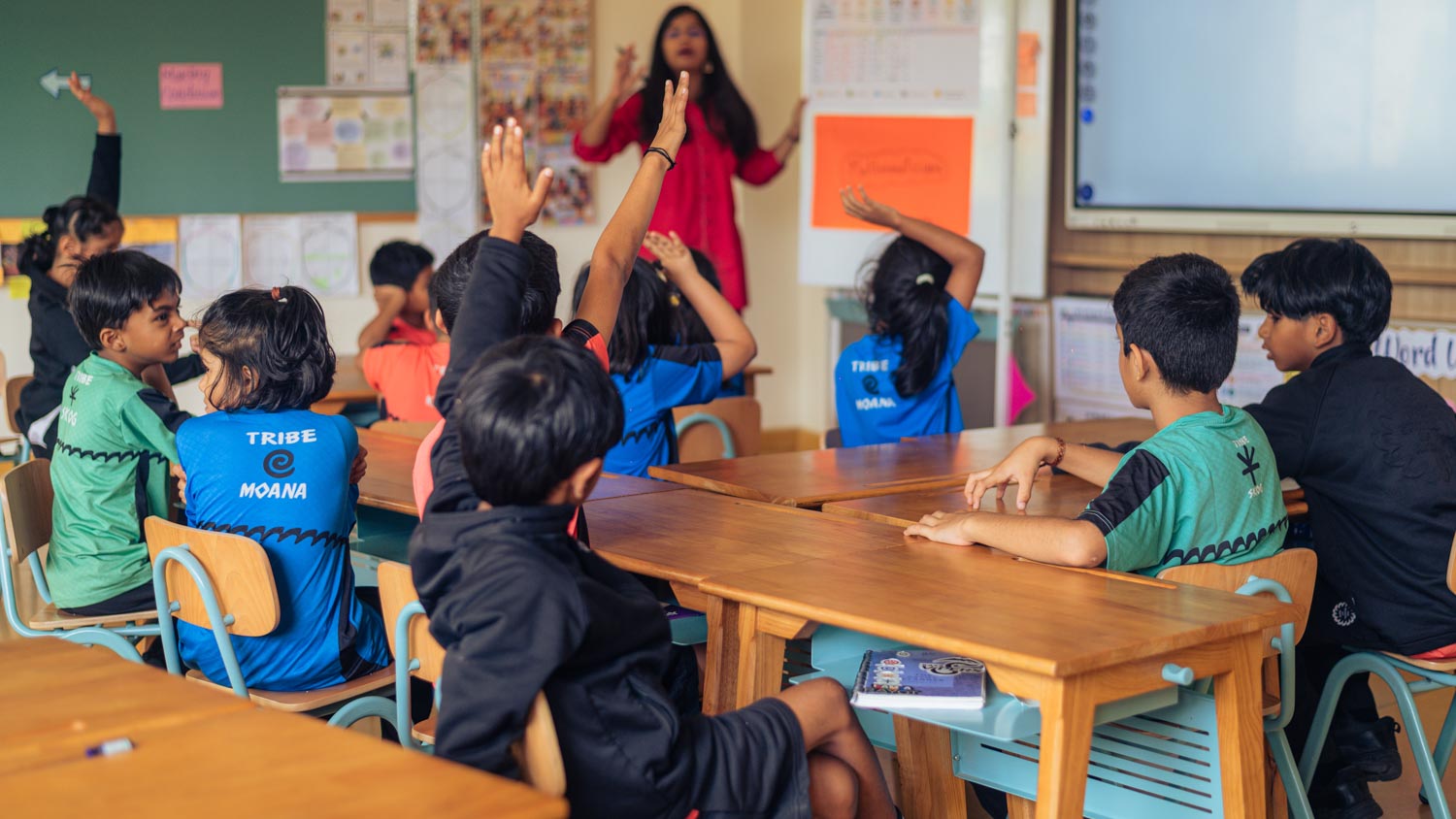
In the beginning, students' responses were plain observations — no reasoning attached, just noticing. We'd show them a simple image, like dots arranged in a pattern using a tens frame, and ask only: what do you see? The answers came in fragments: "I see groups of 5." That was enough. Because there was no concept of a wrong answer at this stage, every hand went up. Students who normally stayed quiet were suddenly eager to share, because sharing what you see carries no risk.
Giving Them the Words to Talk
Math talk was intentionally built. We co-constructed simple agreements together: we listen to understand, we build on each other's ideas, we ask questions, we explain our thinking. Alongside that, we introduced mathematical vocabulary on purpose — words like groups, equal, combine, difference, partition, strategy, compare, justify — so students had the language to make their thinking precise, not just enthusiastic. We also leaned on thinking routines from Harvard's Project Zero — Think-Pair-Share, What Makes You Say That, See-Think-Wonder, Think-Puzzle-Explore, Claim and Support — to give structure to conversations that could otherwise stay vague.
From Noticing to Reasoning to Listening
Slowly, something shifted — students stopped stopping at what they saw and began explaining why it made sense. "I think there are 20 because I counted by 5s." "I saw 10 and 10, so I added them." One student put it best: "I didn't count one by one. I saw 4 groups of 5, and I know 4 × 5 is 20." At the same time, they started listening to each other rather than just waiting for their turn. Conversation starters gave them the words to do it — "I agree with ___ because...", "I want to add to what ___ said...", "I noticed that..." One child's observation became the launchpad for another's idea, and the room stayed lively but also genuinely attentive.
Disagreeing with the Idea, Not the Person
This is where our math talk agreements mattered most. Students learned to say "I disagree because..." or "I solved it in a different way..." — but the disagreement was always with the idea, never with the person who offered it. That distinction kept the room safe. There was no conflict, only curiosity — a genuine eagerness to understand how someone else had arrived at their thinking.
Connections Beyond the Classroom
What struck me most was where this thinking went next. When we extended visual reasoning into estimation — using jars of pasta and later coffee beans, comparing quantities against a known reference — students weren't just estimating, they were reasoning about size and scale out loud with each other. And that habit of noticing didn't stay inside math period. Students started spotting patterns on the sports field, identifying fractions on their lunch plates, making connections everywhere. The habit of noticing and connecting had become theirs, not just something they performed for a math lesson.
Growing Confidence, Growing Identity
As math talk became routine, students who were once hesitant began participating more actively — not just explaining what they did, but why they did it, using number lines, manipulatives, and sketches to make their thinking visible for themselves and their peers. Nine months in, the shift feels both visible and meaningful. Students listen more attentively, ask more thoughtful questions, and build on one another's strategies with real ease.
Why It Mattered
Looking back, the real shift wasn't in what students knew — it was in how safe they felt to think out loud. When "what do you see" replaced "what is the answer," students stopped performing correctness and started genuinely exploring ideas together. That energy — lively, curious, and low-stakes — is what made the learning stick. At its heart, this work reminds me of something important: when a child begins to believe "my ideas matter," it shapes how they see themselves as learners.
If there's one thing I'd want another teacher to try tomorrow, it's this: Ask "what do you notice," and then simply let the room talk.