Choosing the Right School: 8 Questions Every Parent Should Ask Before Enrolling Their Child
Discover how to choose the right school with 8 practical questions covering inquiry, wellbeing, values, and future-ready learning for your child.

Choosing a school is one of the most important decisions a family makes.
It is about far more than academics or infrastructure. The right school shapes how a child thinks, learns, builds relationships, and discovers who they are becoming.
As you explore your options, here are eight questions that can help you look beyond brochures and rankings to find a learning community that truly aligns with your child's future.
The best education begins with questions, not just answers. Look for a school that encourages inquiry, critical thinking, and real-world problem solving rather than memorisation alone.
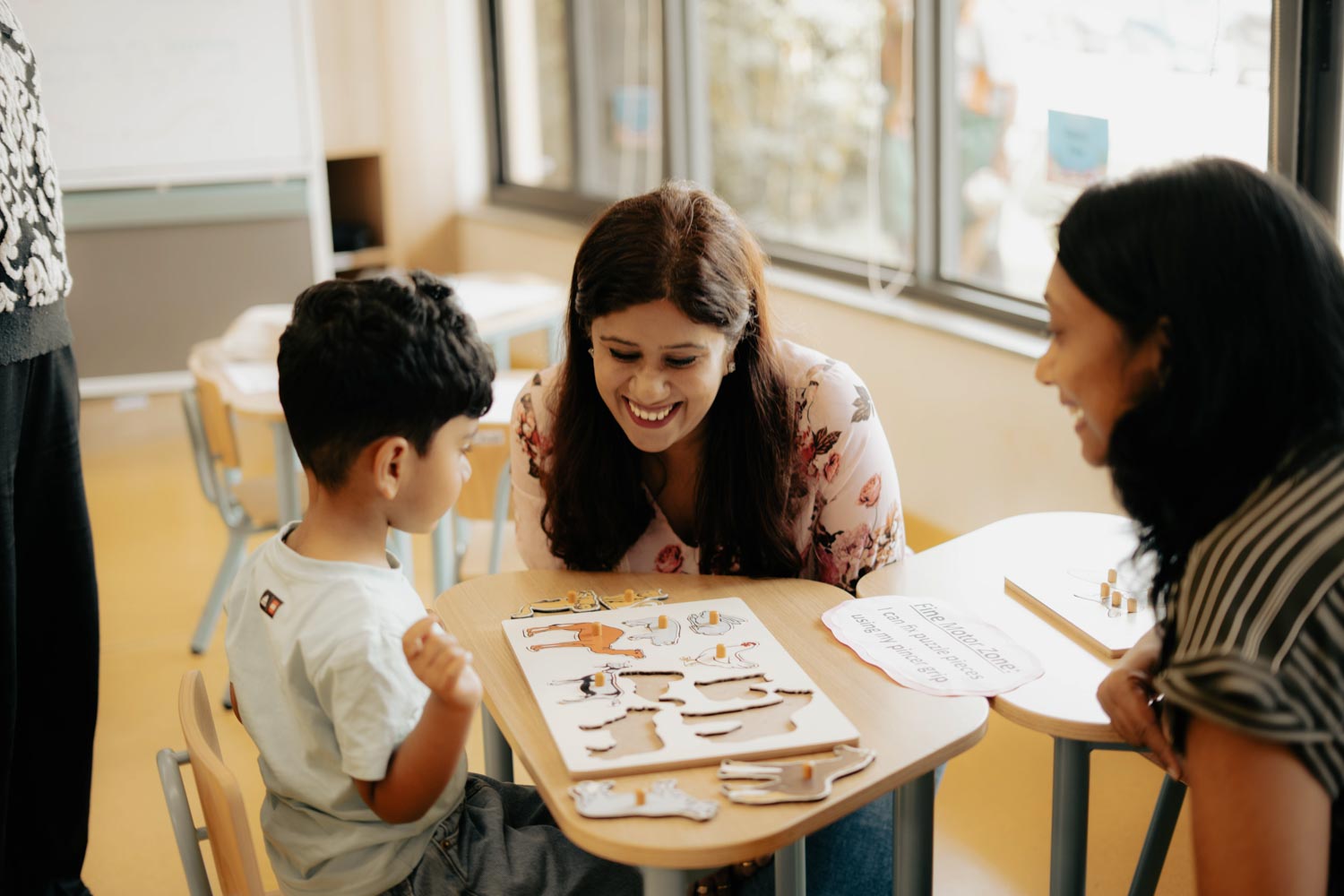
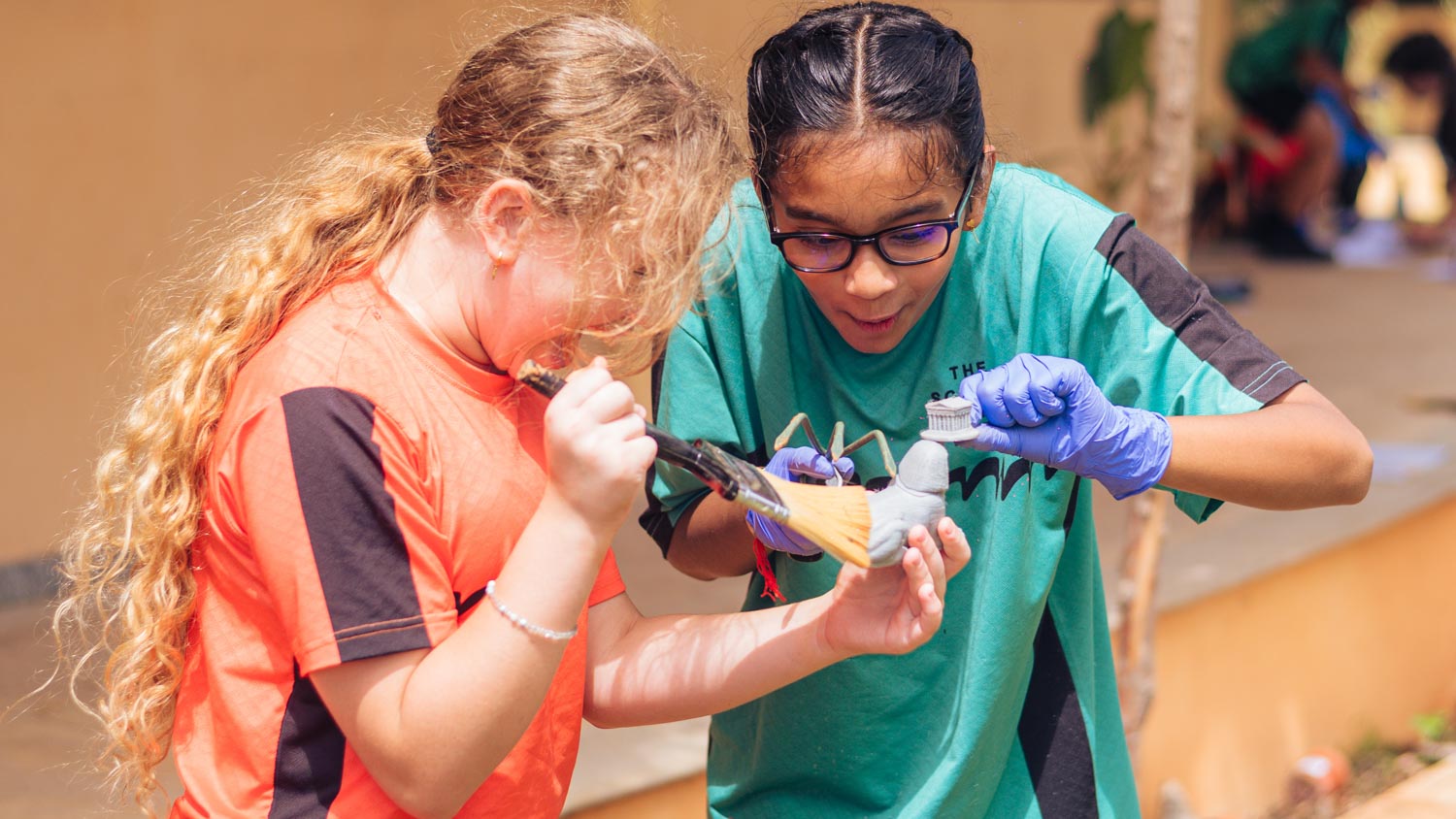
Children grow through experiences as much as lessons. Sport, the arts, design, leadership, and service learning help develop resilience, creativity, confidence, and collaboration—skills that are essential for life.
A strong curriculum should evolve with your child. An IB Continuum School offers a connected pathway through the Primary Years Programme (PYP), Middle Years Programme (MYP), and Diploma Programme (DP), ensuring learning grows in depth, purpose, and complexity over time.
Academic success flourishes when children feel safe, valued, and supported. Ask how the school nurtures emotional wellbeing, builds positive relationships, and creates an environment where every learner feels a sense of belonging.
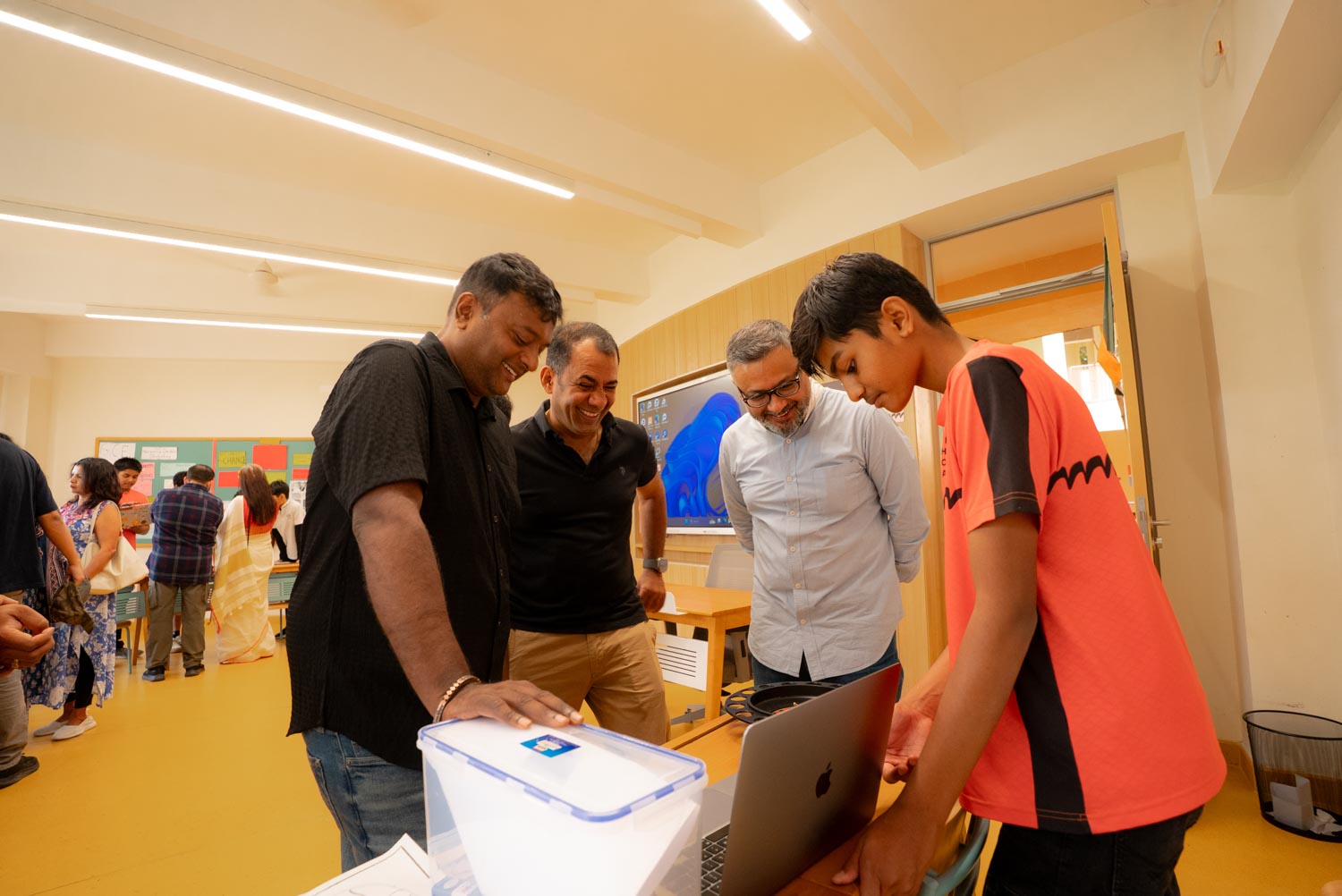
The future belongs to learners who can ask thoughtful questions, make informed decisions, and adapt to change. Schools should develop student agency, empowering children to take ownership of their learning and contribute with confidence.
Knowledge alone is no longer enough. Today's learners need critical thinking, collaboration, communication, creativity, and global perspectives to thrive in an interconnected world.
The strongest partnerships are built on a shared purpose. A school's culture should encourage integrity, respect, empathy, and lifelong learning, creating an environment where children grow into compassionate and responsible individuals.
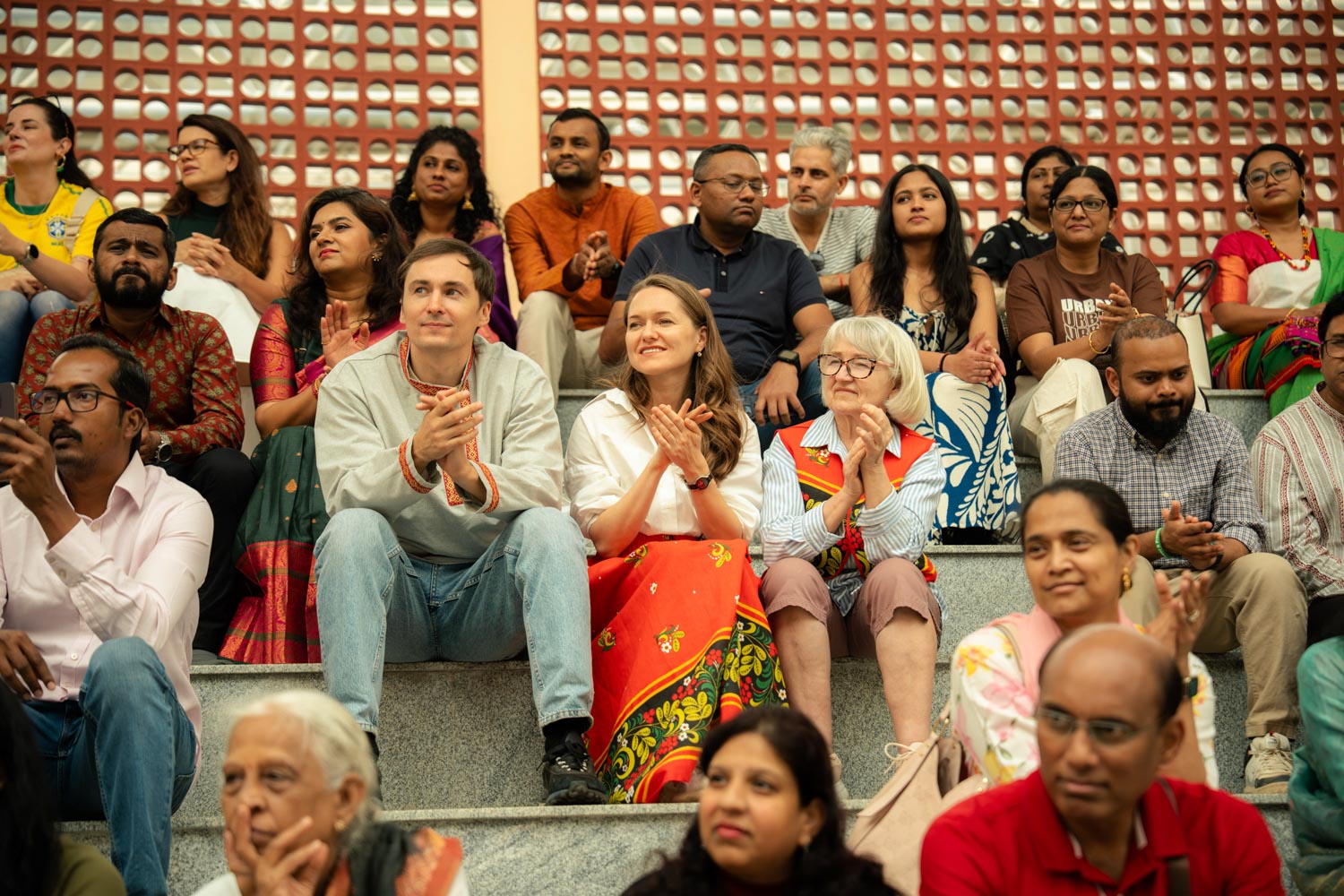
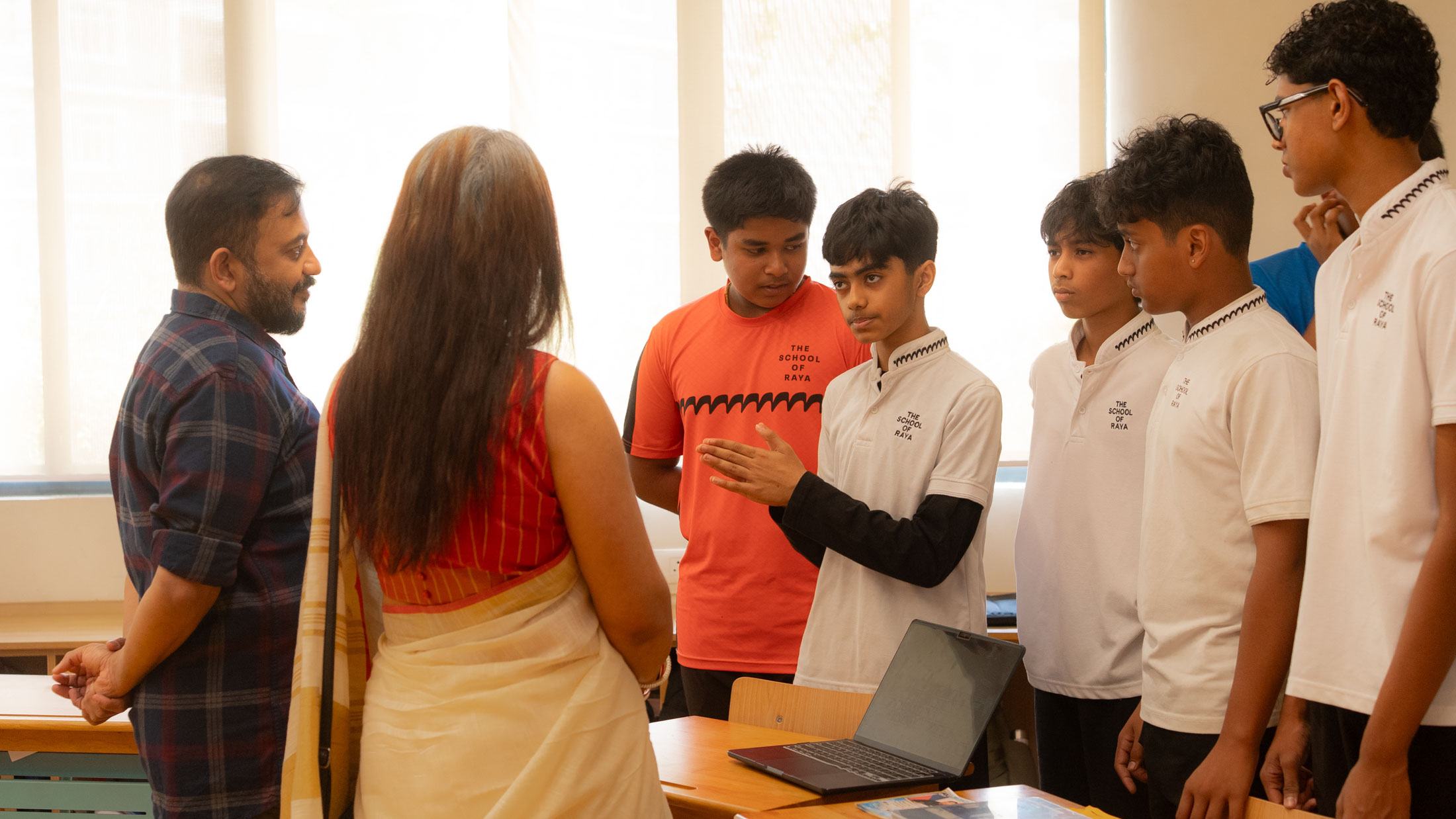
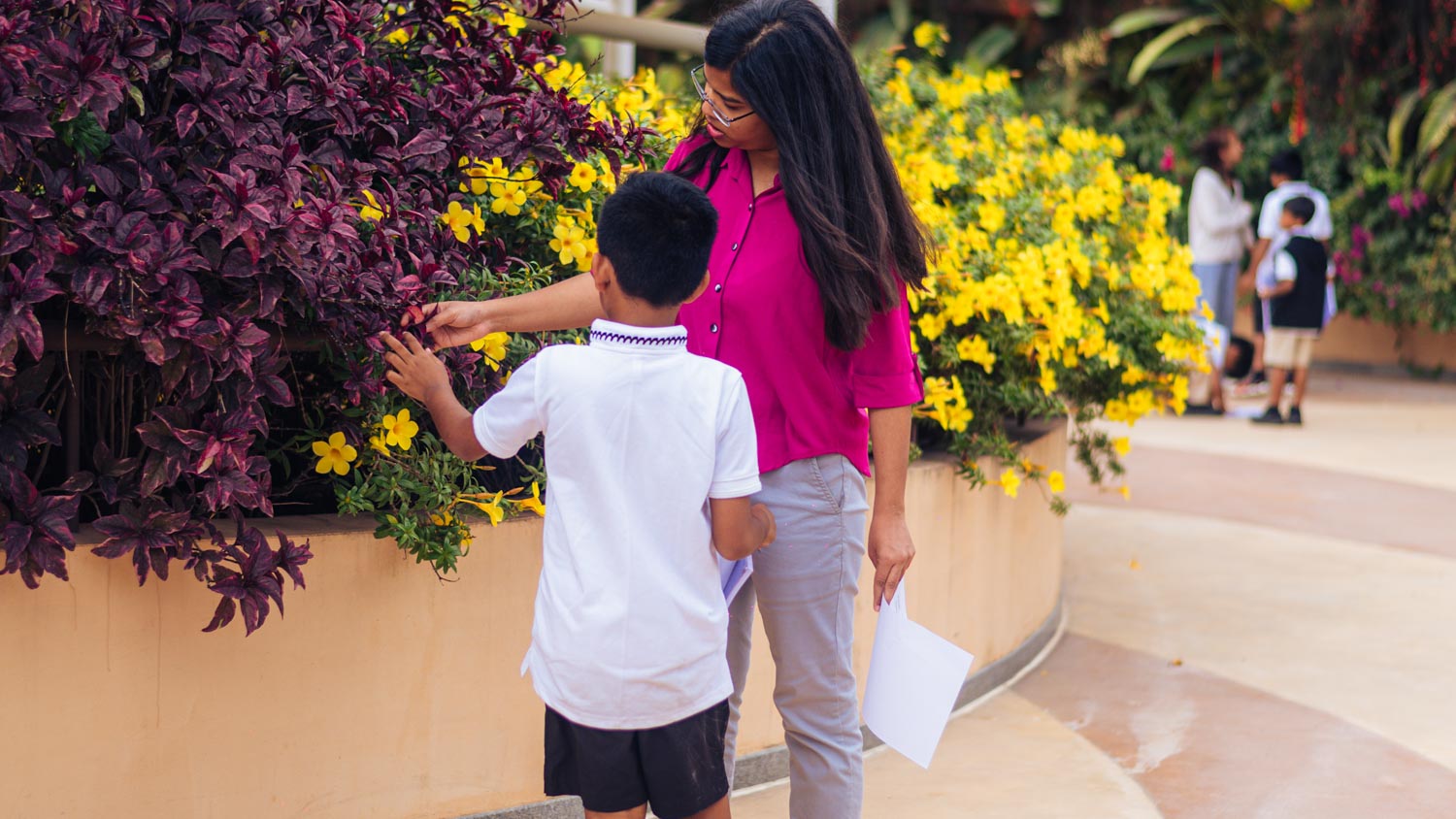
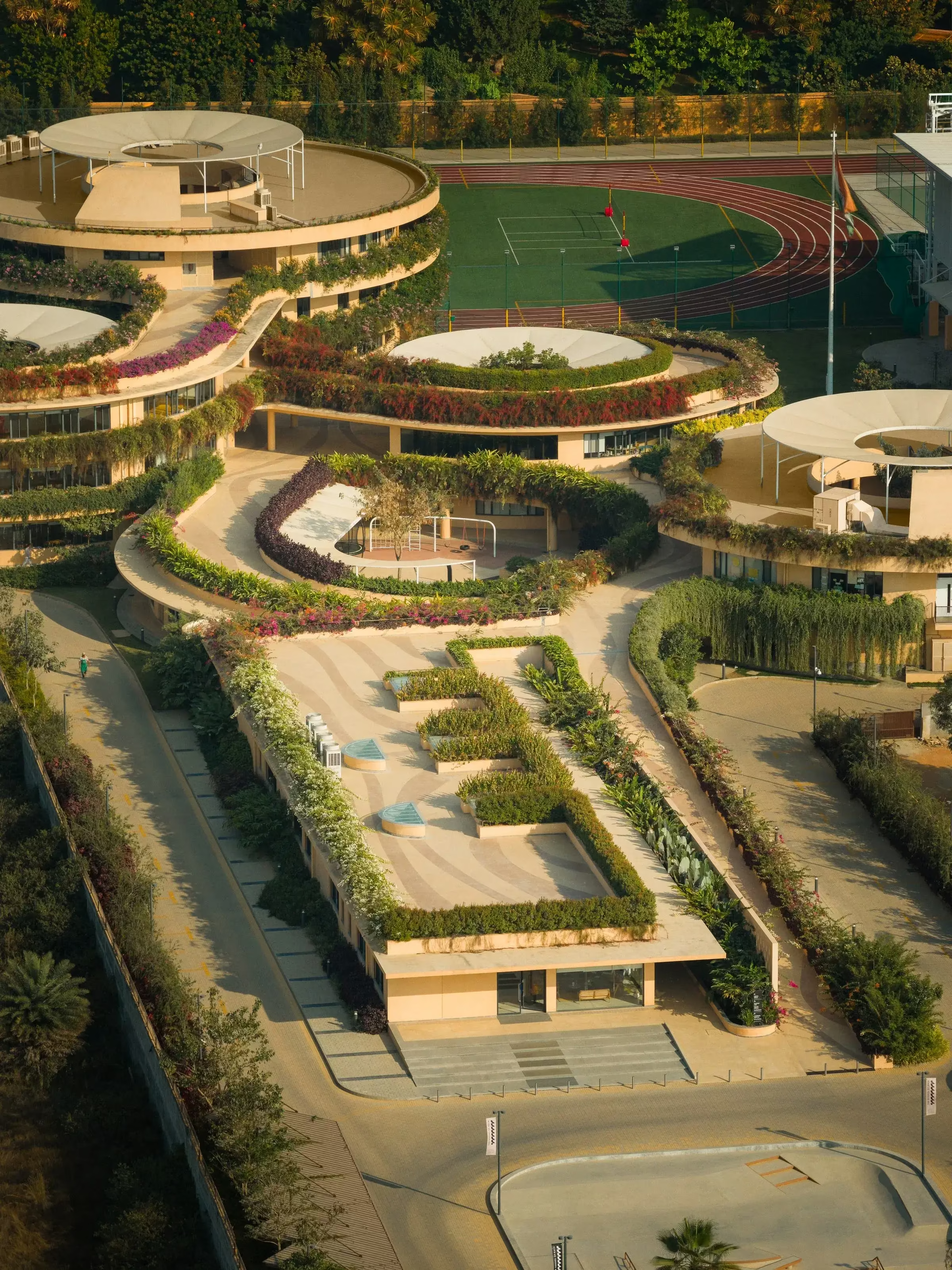
Sometimes the most important answer comes from observing the environment. Visit the campus. Meet the educators. Watch how students interact. The right school is one where your child feels inspired, challenged, and genuinely excited to learn.
At The School of Raya, we believe education is about helping every learner discover their potential and develop the confidence to make a meaningful difference in the world.
As an IB Continuum School in Bangalore, we offer the Primary Years Programme (PYP), Middle Years Programme (MYP), and Diploma Programme (DP), creating a seamless educational journey grounded in inquiry, holistic development, and global perspectives.
Every learning experience is intentionally designed to nurture curiosity, wellbeing, creativity, leadership, and purpose—preparing learners not only for university, but for life.
Because choosing the right school is not simply about where your child will study.
It is about where they will become.


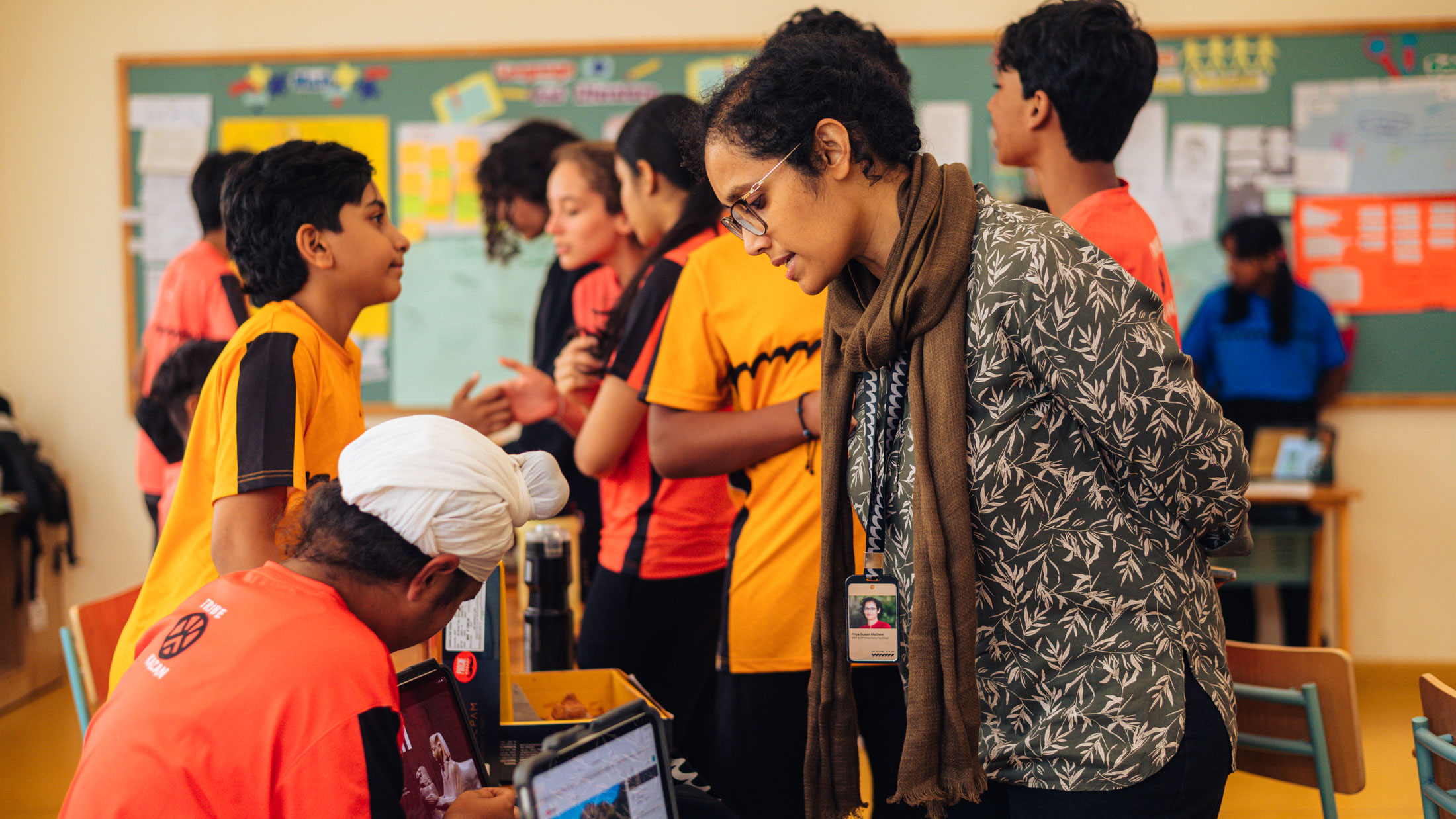
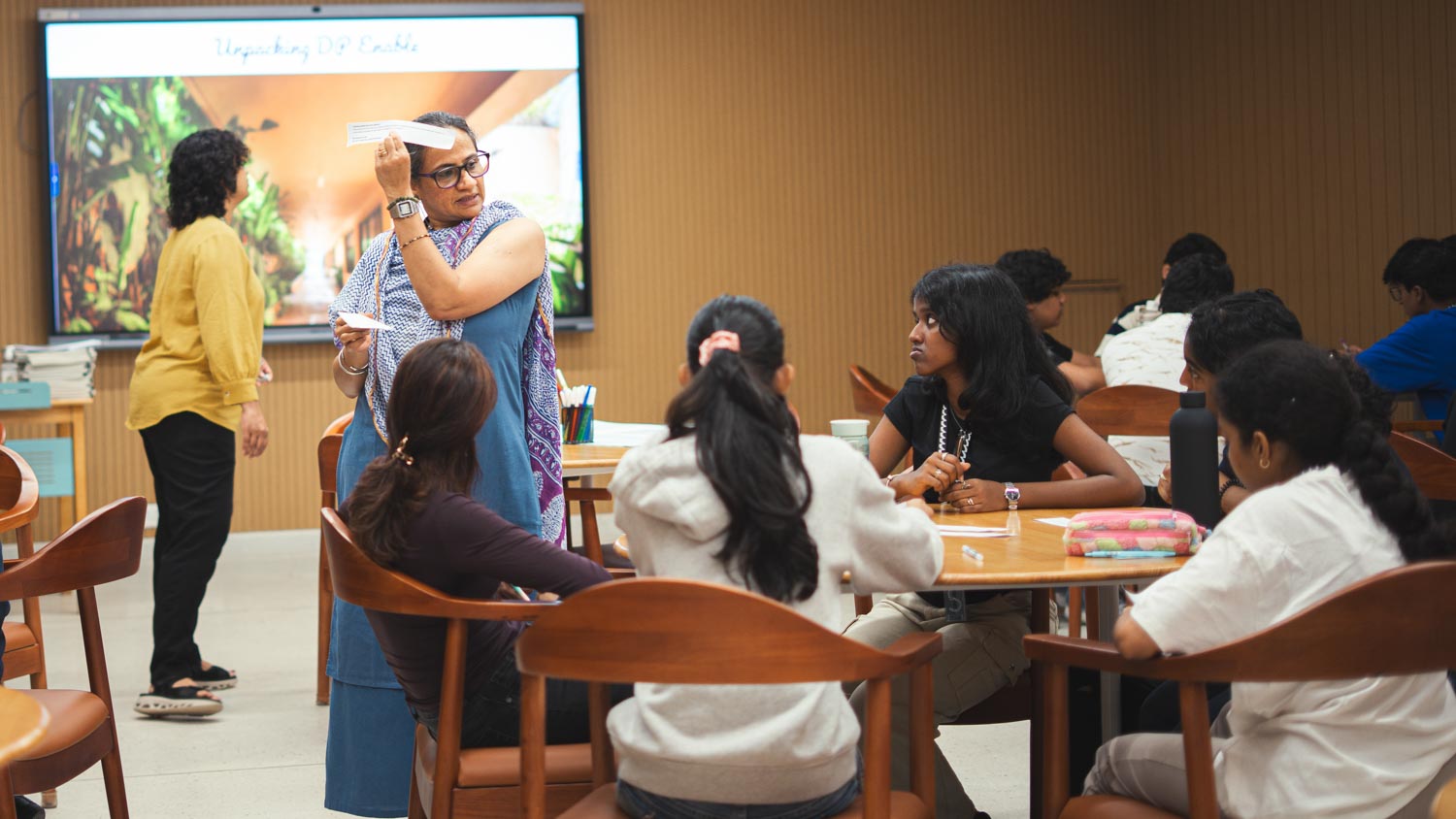
Recently, in my Grade 9 Chemistry class, we were exploring the real-world impact of mining. We had arrived at this discussion on our quest to understand the world of elements and our study of the Periodic Table. As we explored both the advantages and disadvantages of mining elements for our gadgets, technologies and industrial needs, someone quipped, “A disadvantage would be increased greenhouse gas emissions due to mining machinery.” Almost immediately, another voice followed: “Yes, that means global warming!” And right on its heels came a loud blurt from across the room: “Arctic ice melting!”
Then, just as quickly as the ideas had tumbled out, the classroom fell still.

The connections seemed to settle in. One idea had led to another, and suddenly the consequences of mining extended far beyond the mine itself. Then, from one corner of the room, came a gentle question:
“Does that mean we are mining for precious elements in the Arctic?”
And there it was, the moment when a chemistry lesson stopped being just about elements and the Periodic Table. It became a question about the world around us.
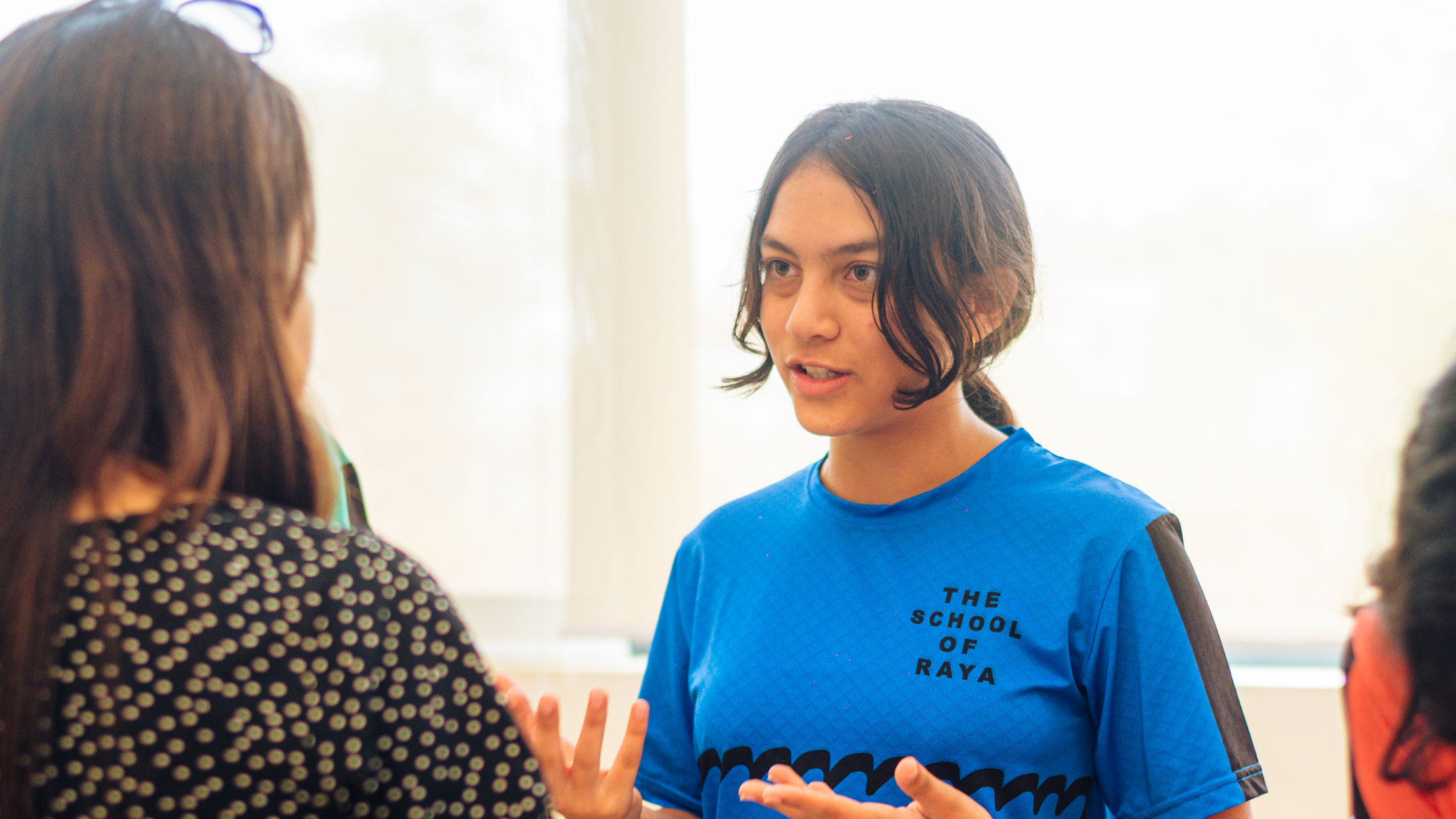
This, among many other ways, is the power of learning in an IB context. Concepts and theories taught within different subject disciplines take on centre stage roles when students are given opportunities to connect them with the real world. Through case studies, newspaper article analysis, industry expert talks, field visits and even model Shark Tank sessions, learners encounter real-world, real-time situations that invite them to ask questions, make connections and consider the impact of what they are learning.

Some lessons begin from the lens of a real-world situation and then work backwards.
‘What is happening here? Why is it happening? What do we need to understand to explain it?’
The direction of learning shifts. Instead of beginning with a concept and asking students where they might use it, students begin with real world scenarios that exist and discover the concepts they need to understand it.
There are moments when this leads to something quite powerful—an epiphany. In the Chemistry classroom I began with, my students began to see that Chemistry is not confined to formulae, symbols and the pages of a textbook. The elements they study are part of the technologies they use, the resources societies depend upon, the environmental challenges communities face and the choices that shape our future. My students didn't need to be told that mining connects Chemistry to climate, geography, technology and sustainability—they discovered the connections themselves.

They begin to see why what they are learning matters.
In effect that is the full-circle moment, real world impacts around us impact the ways in which we learn and what we learn, in turn, helps us make better sense of the world around us.


Cox_skates is undefeated, top of the leaderboard; in real life, he's never once stood on an actual skateboard. Hand him one, and he lasts about four seconds before gravity takes over!
It's a strange little contradiction, but it's not really about skating. It's about two very different things that both feel like knowing how to do something until one asks which one actually holds up once the screen is gone.
In the language of learning research, this gap has a name: surface learning versus deep learning, first described by researchers Ference Marton and Roger Saljo back in the 1970s. Surface learning is about reproducing something: the fact, the move, the correct answer; "knowing" it well enough to recognize or try repeating it. Deep learning is about actually using the "understanding" to build it into something one can use: adjust, explain, apply somewhere new, do it again under pressure. Both can look identical from the outside. Only one of them survives contact with reality.

Recognizing the right answer is cognitively lower order. Our brain barely has to work; it just matches what's in front of us to something familiar. That's what the screen skating game gives us: the feel of mastery, minus the actual physical effort of falling, wobbling, catching yourself, falling again. Real skating asks our body to build balance the slow way, through failure. The screen game skips straight to the reward.
"Winning" in the screen game means timing the button press. "Winning" on real skates means our body learned to balance, to fall well and overcome fear. Same word — completely different thing being measured.

I often see students describe this with honesty, if you listen attentively. When a child is asked to explain/write out their thinking, rather than just pick the right answer, and you'll often hear some version of: ahhh!! no!! it's a lot… It hurts my brain. That's not a complaint to brush off, it's an accurate report. Writing, explaining, and working something out from scratch are what researchers call "generative" acts. One has to produce the thought themselves, rather than just recognize it. That's genuinely harder. The discomfort during generative tasks isn't a sign something's gone wrong. It's a sign that real work is happening.
This shows up well past academics, too. A young dancer can watch a routine once and describe every step back perfectly and still stumble the moment she may have to actually perform it, because naming the steps and performing them physically are two very different things. A student can hum a melody back note-for-note after listening to it once, and still be nowhere close to actually playing it. In every one of these, there are two things that feel like competence: recognizing what mastery looks like, and being able to produce it on one's own, in real situations. Only the second one is real.

Today, answers, techniques, "how it's done", are all one search away, in a form fluent enough to feel like understanding. It isn't. It's familiarity showing up like understanding.
It takes a bridge to move from knowing to understanding and “effort” is that bridge. Crossing it feels uncomfortable, even like failing, at first. But it's persistence that carries one across, until what once felt shaky starts to feel like solid ground.
That's the whole difference between Cox_skates and a real skater. It's just about the will to try, fall first and get back up, which, it turns out, is most of what learning looks like!


“Oh! You’re a teacher! You must be so serious and strict!” These are words I hear whenever I meet someone new. I never know how to explain this in words, because if one hasn’t been on this side of the classroom, one cannot fathom what it truly means to be a teacher.
What I’d like to tell them is that to be a teacher is to be a fool.
You have to realize that you’re not teaching English, or math, or science, or economics, or DP or MYP. You are teaching someone’s child. You’re teaching their hope, their life.

You have to realize that “doing well” doesn’t mean scoring 99% or an A or behaving perfectly. It means having small ‘light bulb’ moments in class when their face and eyes light up because they have finally understood something. It means old students telling you they remember your subject years after you’ve stopped being their teacher. It means seeing your students do better and bigger things than you. Those are moments when the teacher earns an ‘A’.
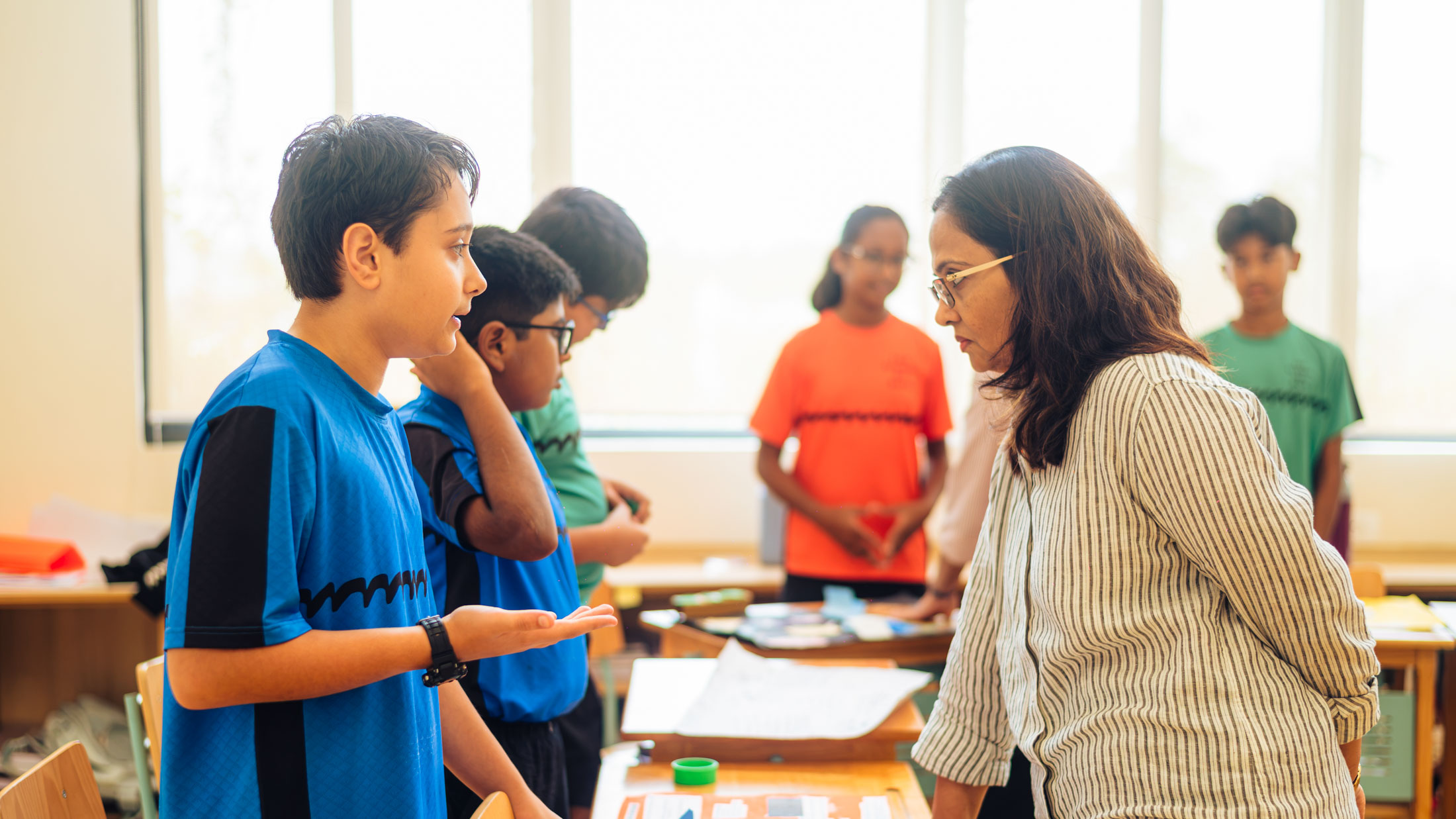
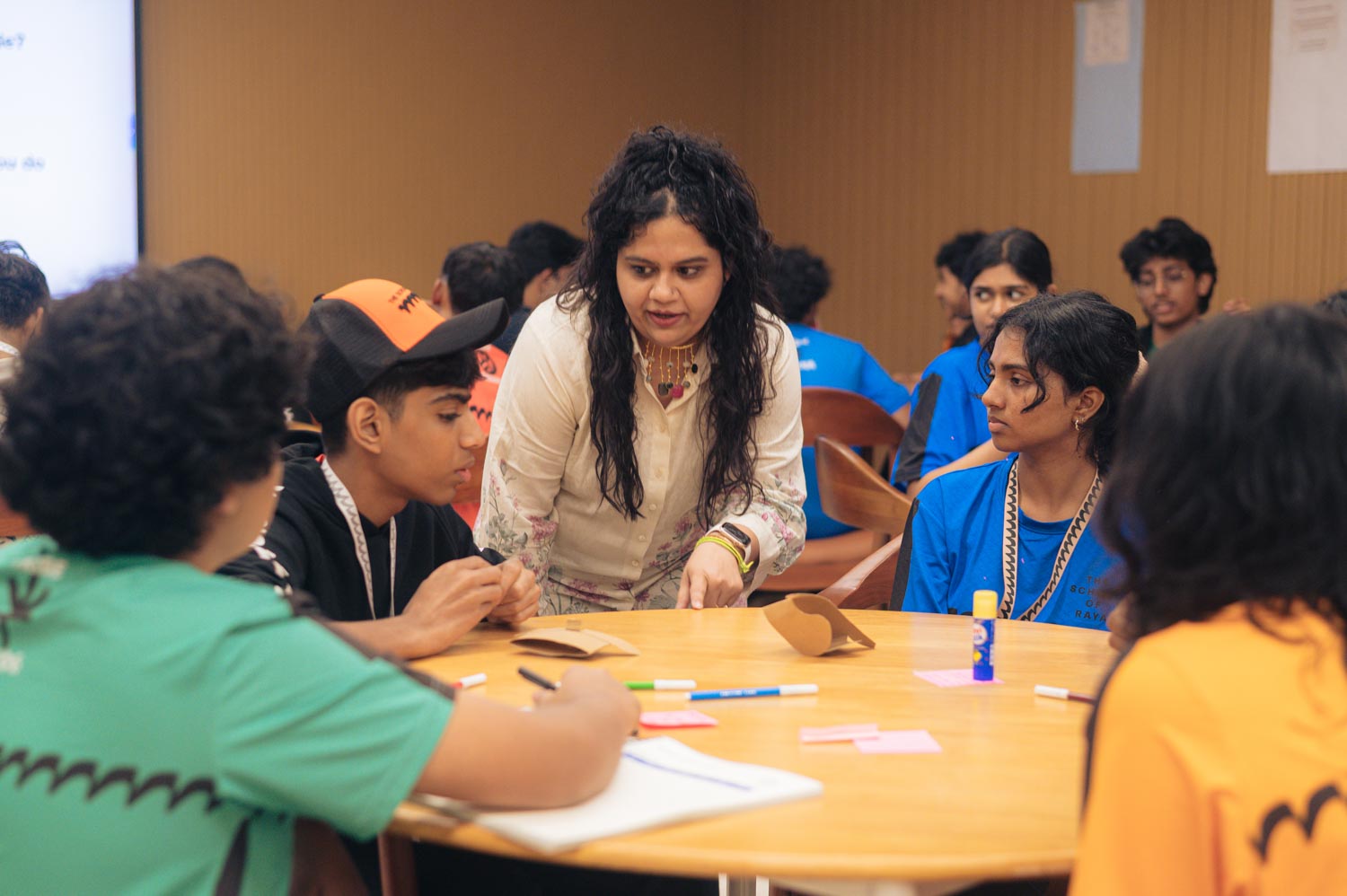
Indeed, a large part of being a teacher is being foolish. You have to be foolish enough to believe in each and every child that can learn, despite what anyone says. Foolish enough to know that learning comes in waves for some, smoothly for others. For some, it may even come in the last week you have them in your class. Foolish enough to show the child you believe in him/her, even when they have lost faith in themselves. Foolish enough to teach the same topic differently. Through words, pictures, videos, activities or even stand-up comedy and speaking gen-Z vocabulary, internally celebrating the moment when finally something clicks.

WHY? Because unless the teacher leaves the ‘throne of knowledge’ and comes down to the learning level of the child, true learning can never happen. From the throne, we can only look down upon others, we can only judge them, we can only feel superior. When you sit beside the child, we become equals, we can actually see them as individuals, experience their struggles, feel their frustrations and fears. From the throne, we can only show “You must be like me”, sitting beside them, you can say “I also feel scared, unsure and lost at times.”
Yes, this means that many times you have to let go of the lesson plans, deadlines and assessments. You may not have the ‘pin-drop silence’ class from the 1980s where everyone gives the right answers and takes beautiful notes. Your class may have a sort of organized chaos. To someone walking past your class, it may look like mayhem mixed with indiscipline. But the reward is that you get to laugh with the child placed in your care, know what they love, empathize with them, even cry with them! You get to know them as people!

To the teachers who can make a fool of themselves in the eyes of the bystander, I say, you will always win. Because you have found that the key to a child’s mind is to unlock his/her heart and free their spirit.
May we all be able to stop and breathe and reconnect with the child within us. May we be brave enough to make a fool of ourselves for a moment, laugh freely at ourselves, apologize genuinely when we make mistakes, look deeply at a child so they feel truly seen, acknowledged and valued. Because to be a teacher is to be a fool… a hopeful fool!
“The greatest lesson in life is to know that even fools are right sometimes.”
Winston S. Churchill