Beyond Brochures: Bengaluru Schools Open Doors to Woo Parents

0
min read
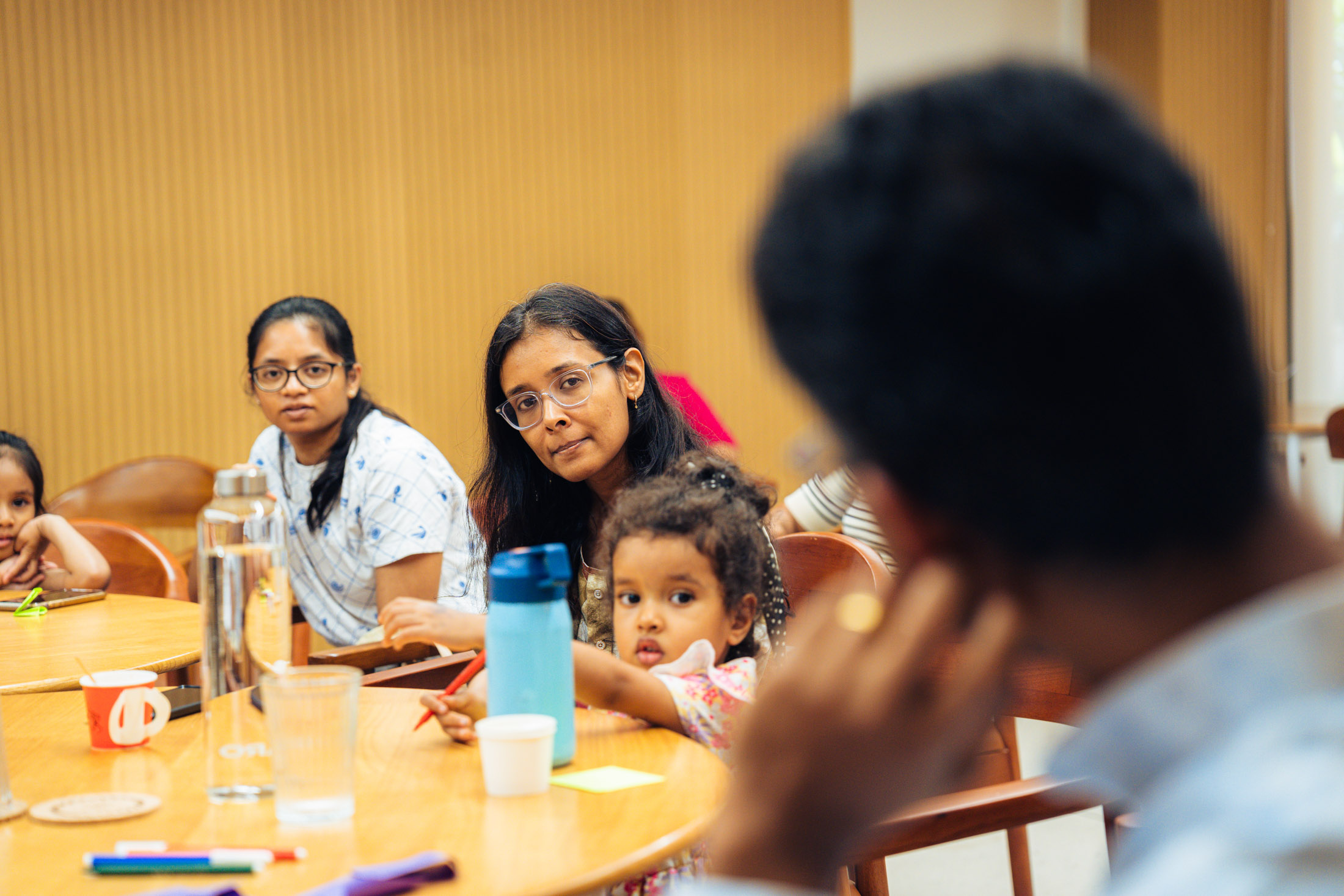
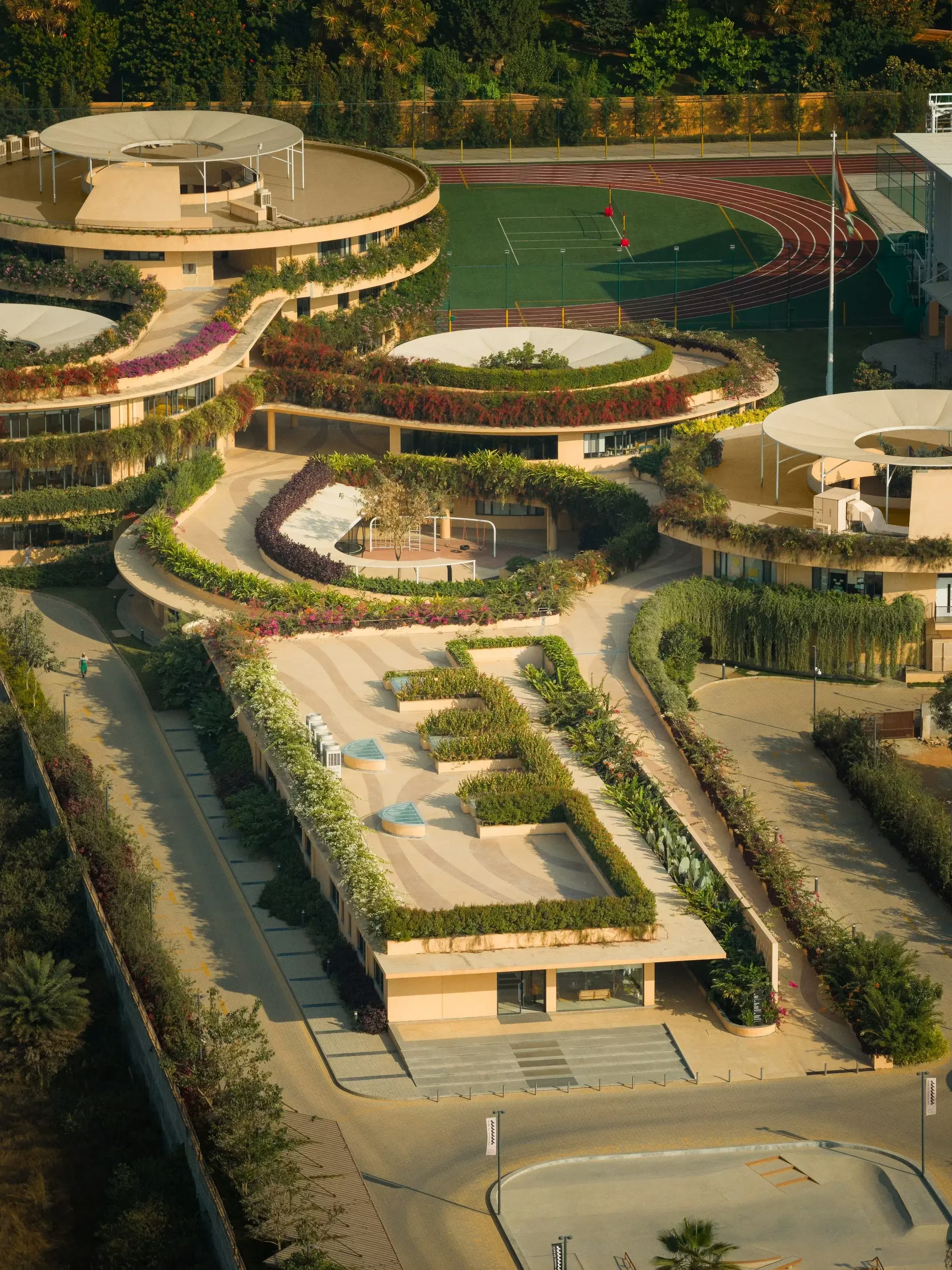
The School of Raya is featured in The Times of India for opening its doors to the wider community through events that offer families a glimpse into its learning culture, values and community spirit.
Click here to read the news article.

When I think about what makes a school truly good, I do not think only about lessons, results, events, or classrooms. All of these matter, but a school is ultimately shaped by people: how we speak to one another, how we respond when someone needs help, and how we work through challenges together.
I believe there are four essential things that bring out the best in any school community: respect, empathy, collaboration, and follow-through. They sound simple—and perhaps that is the point. The most meaningful values are often simple to understand, but require real intention to practise every day.
Respect should be the foundation of every interaction. Respect is not about agreeing with everyone all the time. Schools are full of different personalities, ideas, concerns, and opinions. Naturally, there will be moments of disagreement. But even in those moments, people should feel that they are being spoken to with dignity.

When adults speak calmly, listen carefully, and avoid making others feel small, students notice. They learn from us—not only from what we teach in class, but from how we treat one another in hallways, meetings, parent conversations, and difficult situations. A respectful school culture tells every person: “You matter here, even when we need to have a difficult conversation.”
Empathy is not about avoiding rules or being too soft. It is about pausing before we judge. A student who is quiet may be anxious. A child who is angry may be struggling to express something. A parent who asks many questions may simply need reassurance. A teacher who seems frustrated may need support too.
Instead of asking only, “What went wrong?” we can also ask, “What might this person need right now?”
That small shift can change an entire conversation. It helps us guide people with care rather than assumptions, and it reminds us that every behaviour has a story behind it. Children especially need this. They are still learning how to name emotions, manage conflict, and make sense of the world around them. They need adults who can guide them without making them feel ashamed for struggling.
A school works best when no one has to carry a concern alone. Teachers may notice changes in students first. Parents understand their children beyond the school day. Coordinators and leaders help connect people and create systems. Counsellors and wellbeing professionals offer specialised support when needed.
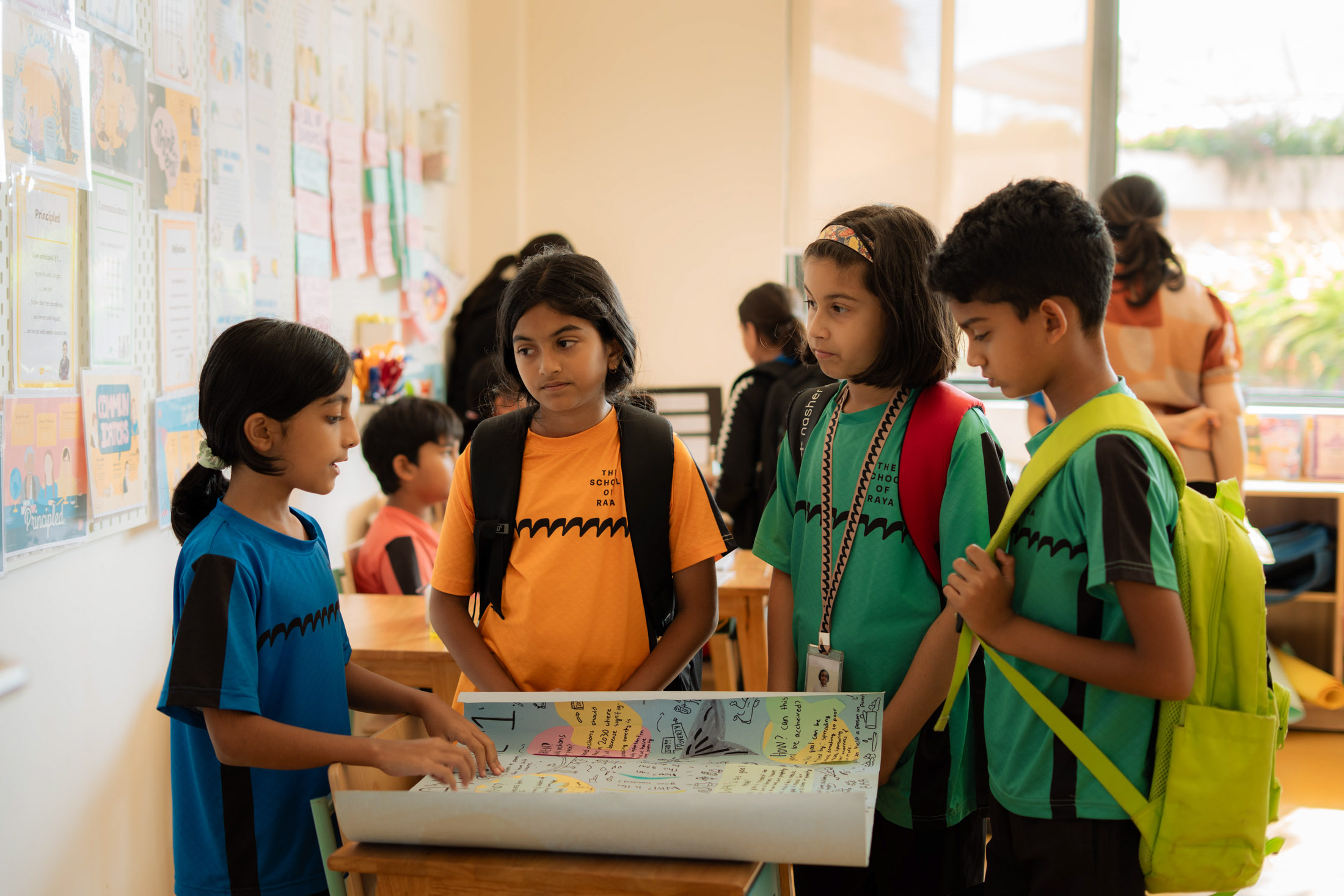
Each role is important, but none should be expected to solve everything alone.
When a challenge arises, the aim should not be to find someone to blame. It should be to understand what happened, identify the support needed, and decide what can be done next. Collaboration turns difficult moments into chances to learn and improve.
Helping during a crisis matters, but what happens after things become calm matters too. A follow-up conversation, a check-in, or a clear plan can help students, families, and teachers feel heard rather than forgotten.
Care is not only about solving a problem quickly. It is about making sure people know they still have support afterwards.
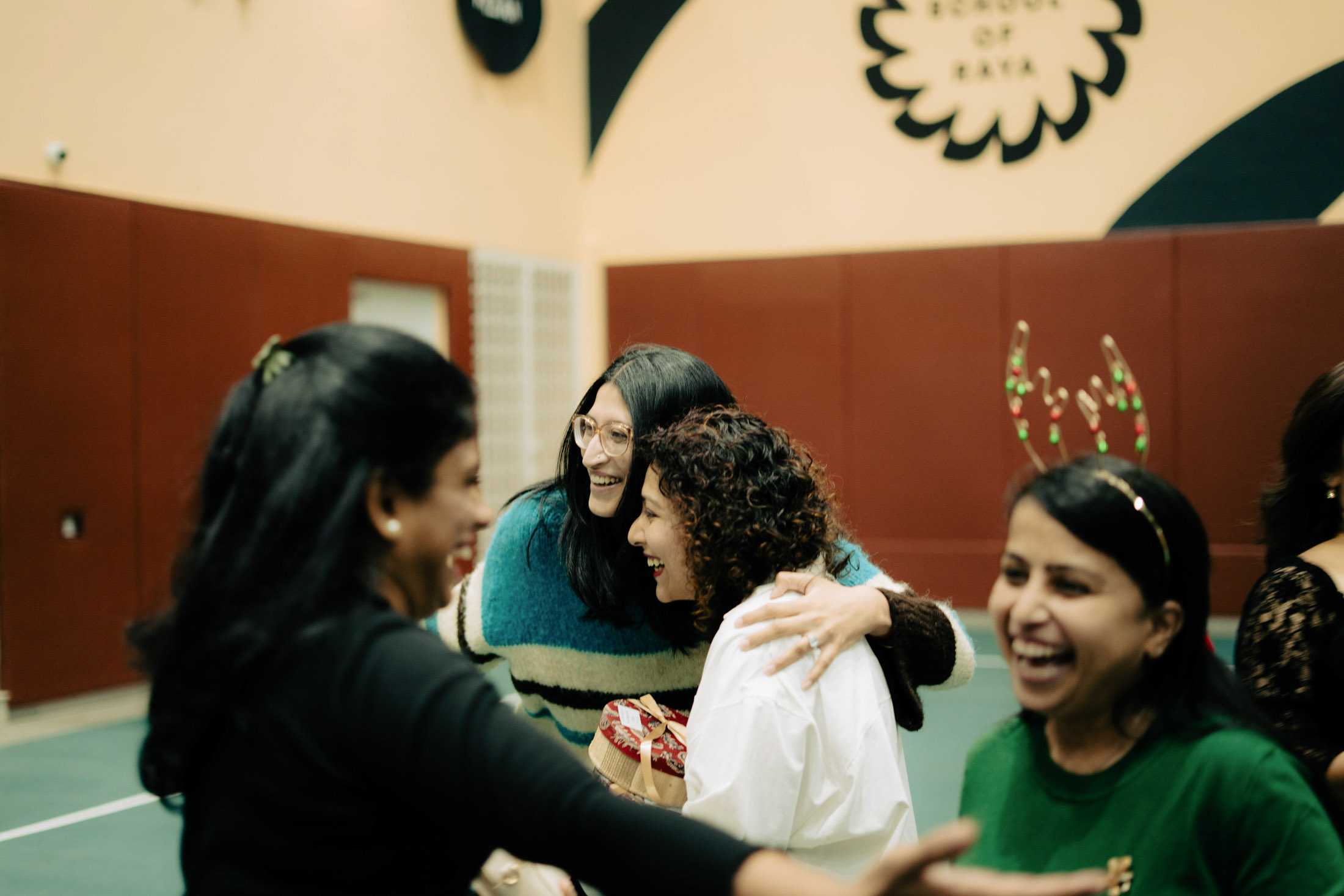
At The School of Raya, the Learner Empowerment Hub aspires to help build this kind of culture: one where students, teachers, and parents can ask for help, receive thoughtful guidance, and feel that their concerns are handled with respect and care.
We may not be at the finish line yet, but we have already begun the journey. With time, openness, and a shared commitment from all of us, I believe we can move closer to the state of flow that we value at Raya—a space where learning, wellbeing, trust, and growth can happen together.
That is the kind of school community I hope we continue to build.
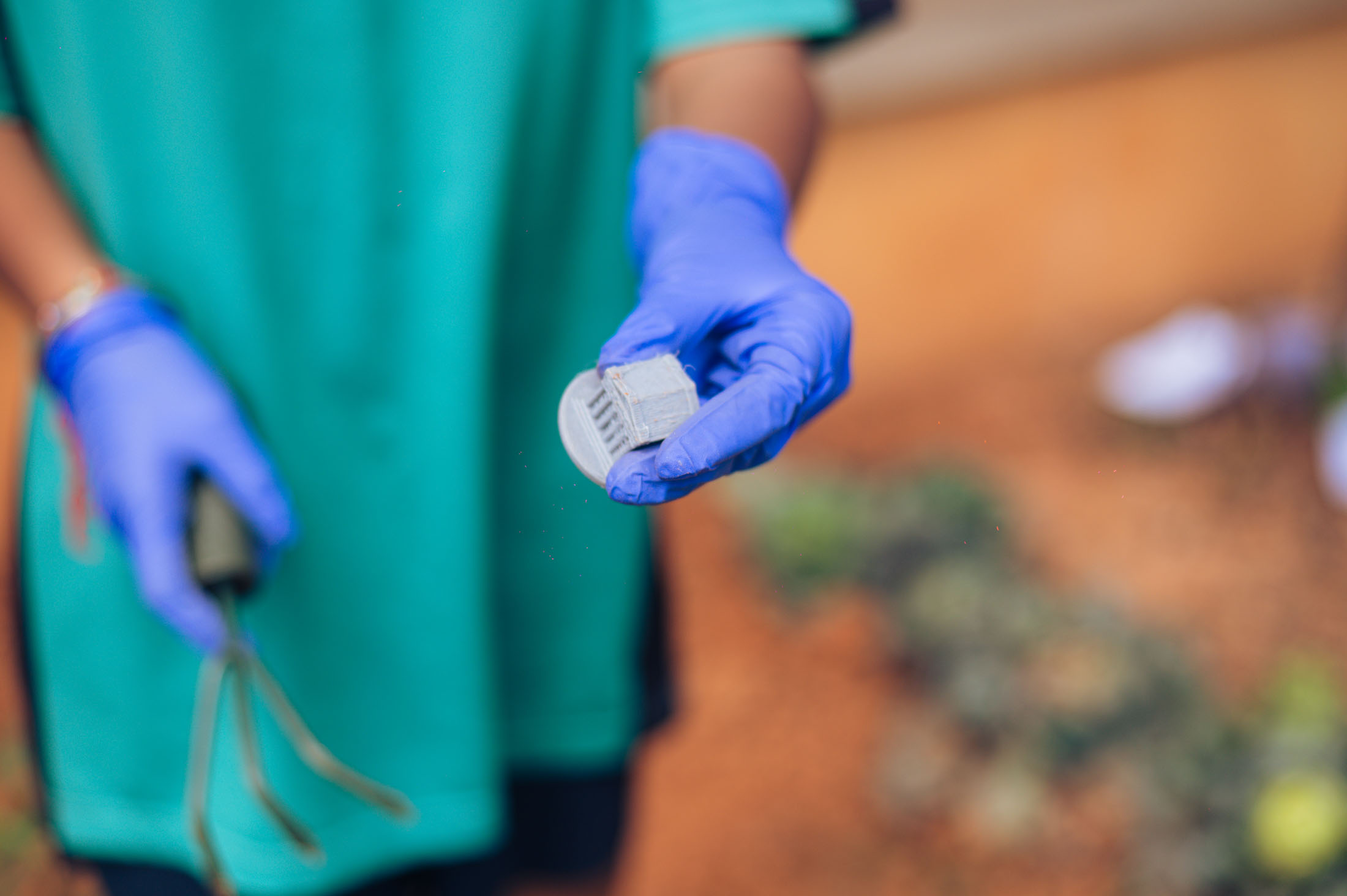
“Eureka! Look what I found, Miss! It is the Indus Valley Zebu Bull!” exclaimed one excited learner, holding up a newly discovered artefact.
“I’m not able to find the Sphinx, Miss. This is very frustrating, and I’m tired,” shared another learner, visibly worn out after searching for the artefact without success.
These were just two of the many moments that made our MYP 1 archaeological dig site activity memorable. As part of our Individuals & Societies unit, What Can We Learn from Different Civilisations?, learners stepped into the shoes of archaeologists, getting their hands dirty as they excavated, observed, and documented their findings of artefacts from the past.
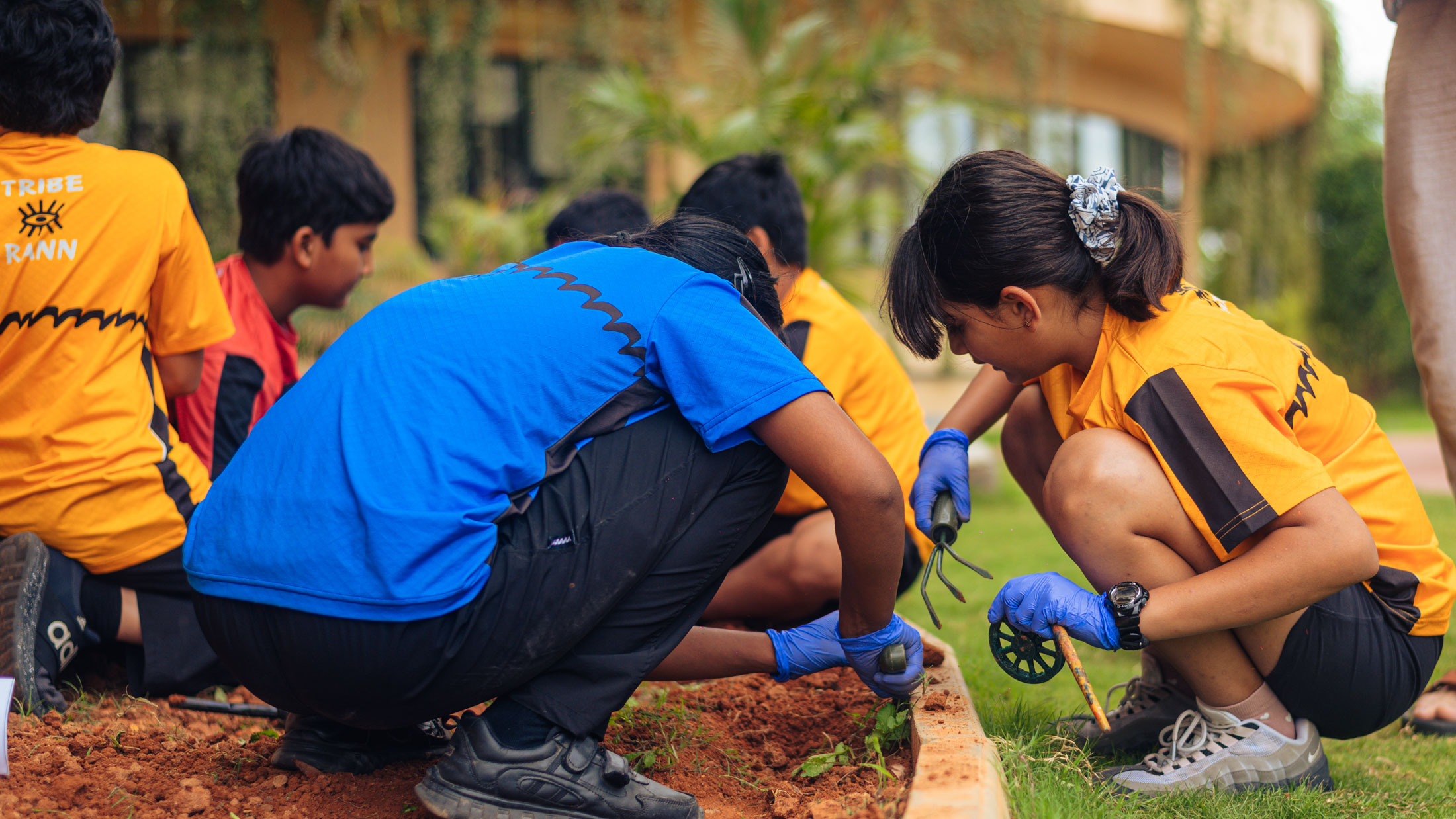
As their Individuals & Societies facilitators, we paused the activity and invited the learners to reflect on something we often take for granted: the time, patience and effort involved in archaeological discoveries. We spoke about how our knowledge of ancient civilisations has been shaped by archaeologists who painstakingly excavate sites, document their findings and piece together clues left behind by people who lived thousands of years ago. Without their work, our understanding of the past would be far more limited.
The learner who had been frustrated by the elusive Sphinx was suddenly re-energised. With a renewed sense of purpose, they returned to the excavation, ready to try again.
Through this invigorating activity, our MYP 1 learners at The School of Raya explored how we can reconstruct the past when we cannot travel back in time? Rather than beginning with a textbook or a list of historical facts, learners stepped into the role of archaeologists. Working in teams, they explored an excavation site designed to introduce them to the methods used to uncover and study evidence from the past.
Each team worked with a designated excavation area and carefully established a grid using labelled stakes and twine. This introduced learners to the importance of mapping and recording the precise location of archaeological finds. Equipped with soft brushes and small trowels, learners carefully excavated their assigned squares. The excitement of calling out “Eureka!” when an artefact was discovered added to the sense of adventure.
However, the activity was about much more than finding objects. The most meaningful part of the experience came after discovery. Learners were encouraged to move beyond simply identifying an object and begin interpreting what it might reveal.
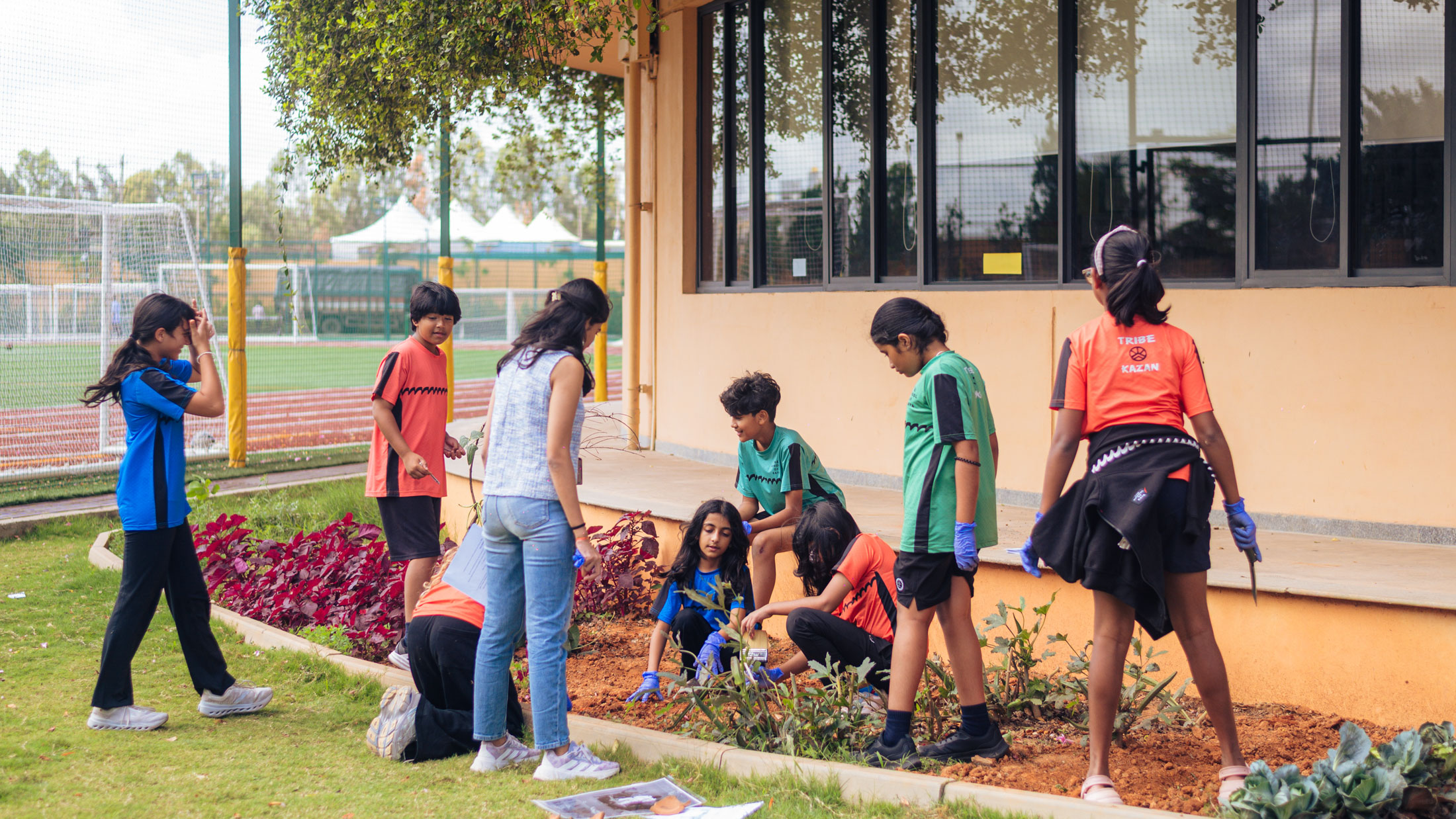
They considered questions such as:
These questions introduced learners to an important distinction in historical inquiry: the difference between an observation and an inference. While an observation describes what we can see, an inference is an interpretation based on the available evidence.
Through the activity, learners developed a foundation for investigating ancient civilisations such as the Indus Valley, Mesopotamia, Egypt and Greece. They began to understand how material remains can provide clues about technology, craftsmanship, trade, settlement patterns and everyday life. An object that might initially appear ordinary could offer valuable insights into the knowledge, creativity and priorities of the society that produced it. A meaningful example is the Code of Hammurabi, an ancient Babylonian law code inscribed on a stone stele. At first glance, it may appear to be just a stone monument covered in writing. However, it reveals that the Babylonians developed a written system of laws to regulate society, resolve disputes and establish punishments for different offences. For instance, the principle of “an eye for an eye” reflects how punishments were linked to the nature of the offence.
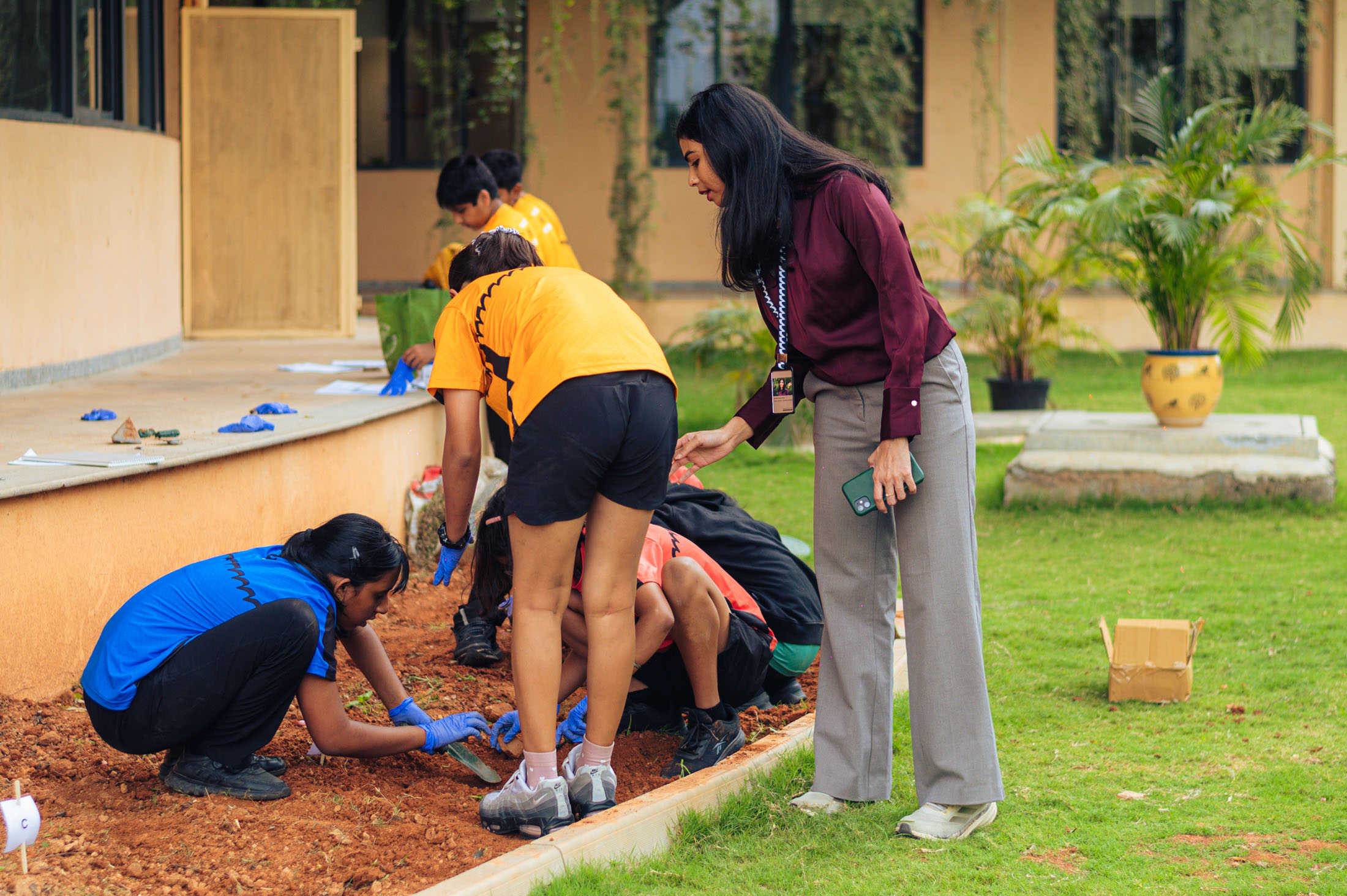
The archaeological dig supported the development of several important learning skills. Learners practised research and inquiry by asking focused questions and investigating evidence, while observation and interpretation enabled them to record details accurately and draw evidence-based conclusions. They developed critical thinking by distinguishing between what the artefacts revealed and what they inferred from the evidence. Through teamwork and shared responsibility for the excavation, learners strengthened their collaboration skills. Finally, by documenting their discoveries in field logs and explaining their interpretations clearly, they developed their communication skills
The archaeological dig was a reminder that meaningful learning often begins with curiosity. A grid of soil, a carefully uncovered object and a series of questions became an opportunity for learners to investigate the past using the methods of historians and archaeologists.
After all, every artefact has a story to tell. The challenge is learning how to uncover it.
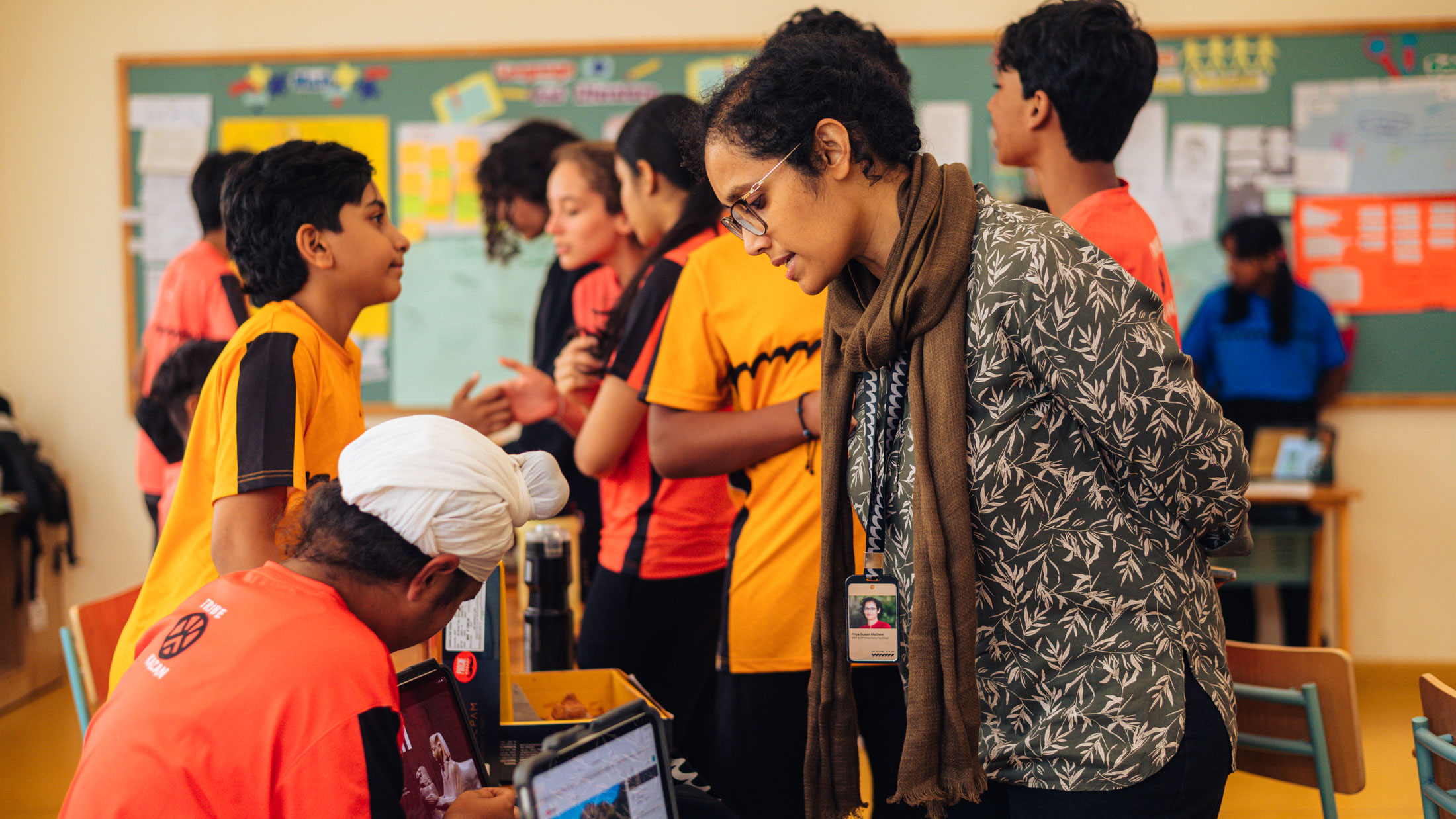
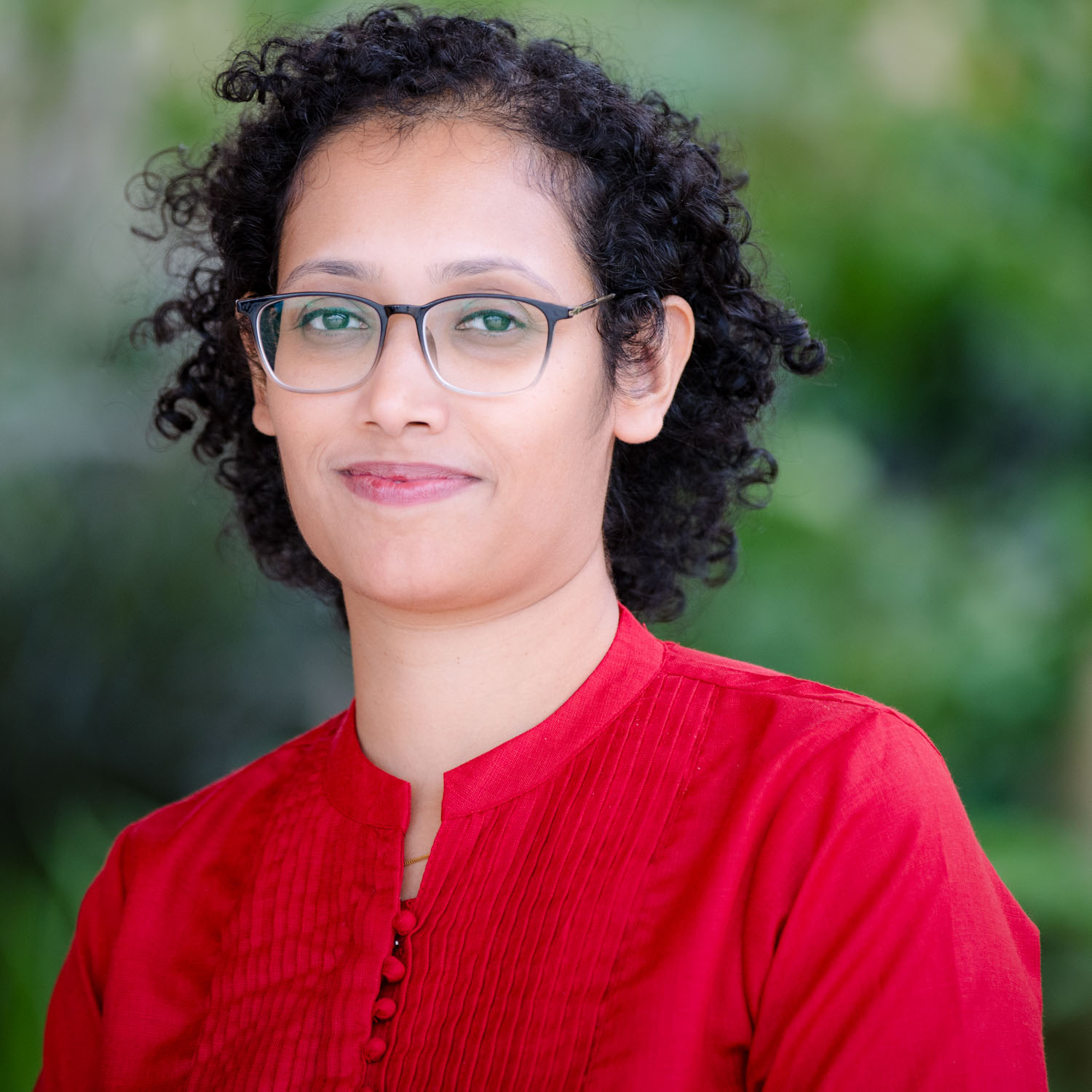
Recently, in my Grade 9 Chemistry class, we were exploring the real-world impact of mining. We had arrived at this discussion on our quest to understand the world of elements and our study of the Periodic Table. As we explored both the advantages and disadvantages of mining elements for our gadgets, technologies and industrial needs, someone quipped, “A disadvantage would be increased greenhouse gas emissions due to mining machinery.” Almost immediately, another voice followed: “Yes, that means global warming!” And right on its heels came a loud blurt from across the room: “Arctic ice melting!”
Then, just as quickly as the ideas had tumbled out, the classroom fell still.
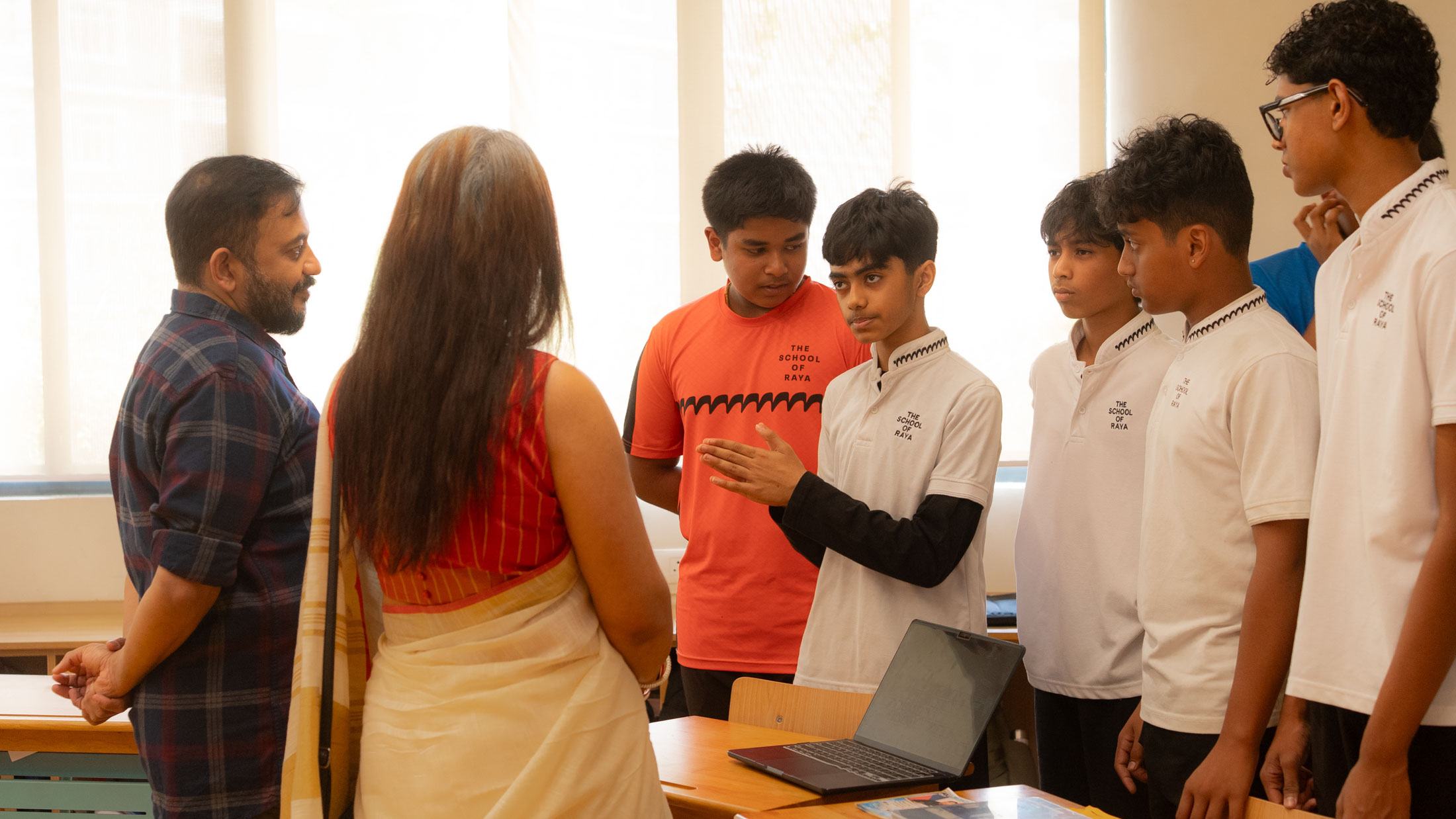
The connections seemed to settle in. One idea had led to another, and suddenly the consequences of mining extended far beyond the mine itself. Then, from one corner of the room, came a gentle question:
“Does that mean we are mining for precious elements in the Arctic?”
And there it was, the moment when a chemistry lesson stopped being just about elements and the Periodic Table. It became a question about the world around us.
This, among many other ways, is the power of learning in an IB context. Concepts and theories taught within different subject disciplines take on centre stage roles when students are given opportunities to connect them with the real world. Through case studies, newspaper article analysis, industry expert talks, field visits and even model Shark Tank sessions, learners encounter real-world, real-time situations that invite them to ask questions, make connections and consider the impact of what they are learning.
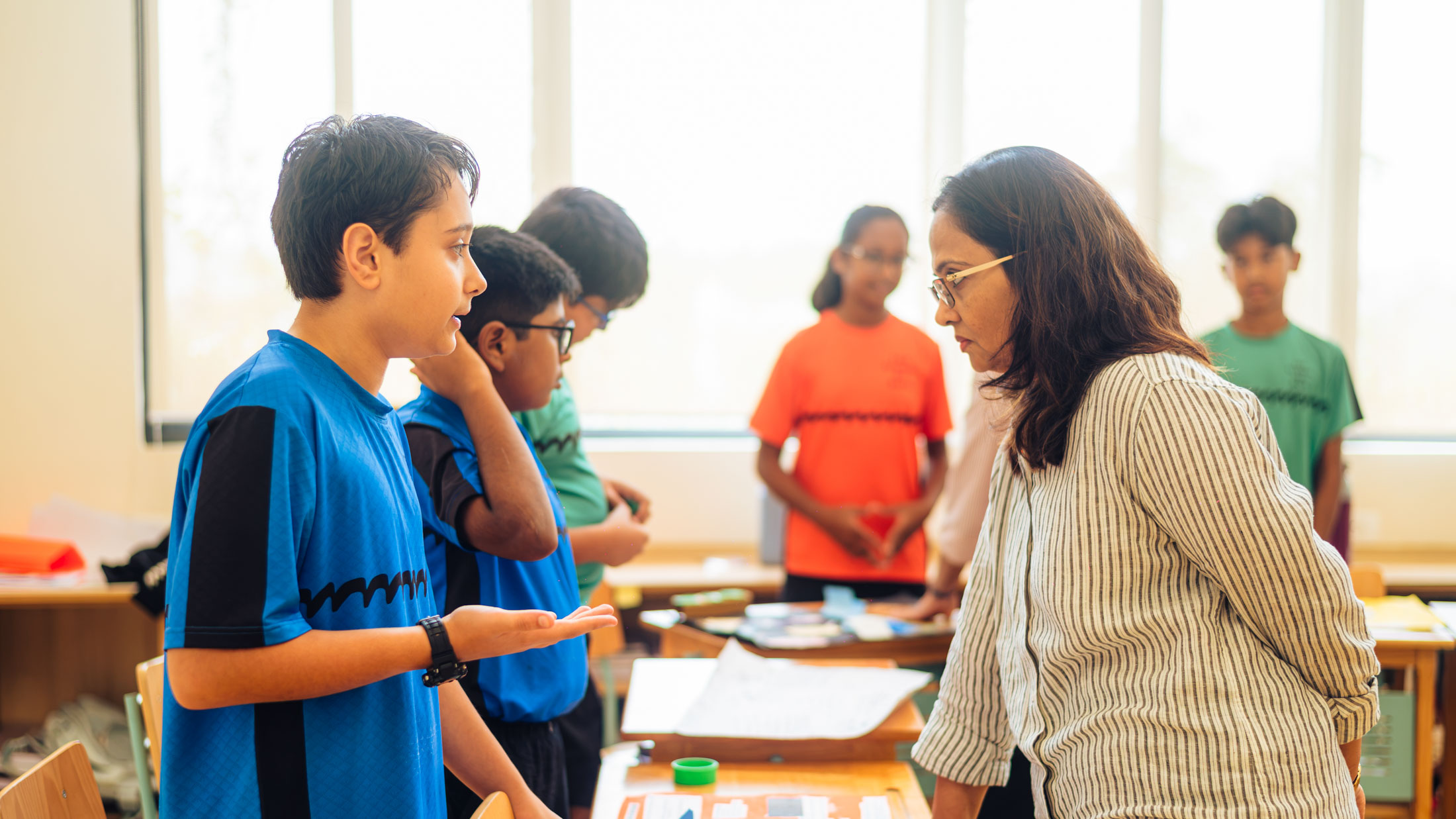
Some lessons begin from the lens of a real-world situation and then work backwards.
‘What is happening here? Why is it happening? What do we need to understand to explain it?’
The direction of learning shifts. Instead of beginning with a concept and asking students where they might use it, students begin with real world scenarios that exist and discover the concepts they need to understand it.
There are moments when this leads to something quite powerful—an epiphany. In the Chemistry classroom I began with, my students began to see that Chemistry is not confined to formulae, symbols and the pages of a textbook. The elements they study are part of the technologies they use, the resources societies depend upon, the environmental challenges communities face and the choices that shape our future. My students didn't need to be told that mining connects Chemistry to climate, geography, technology and sustainability—they discovered the connections themselves.
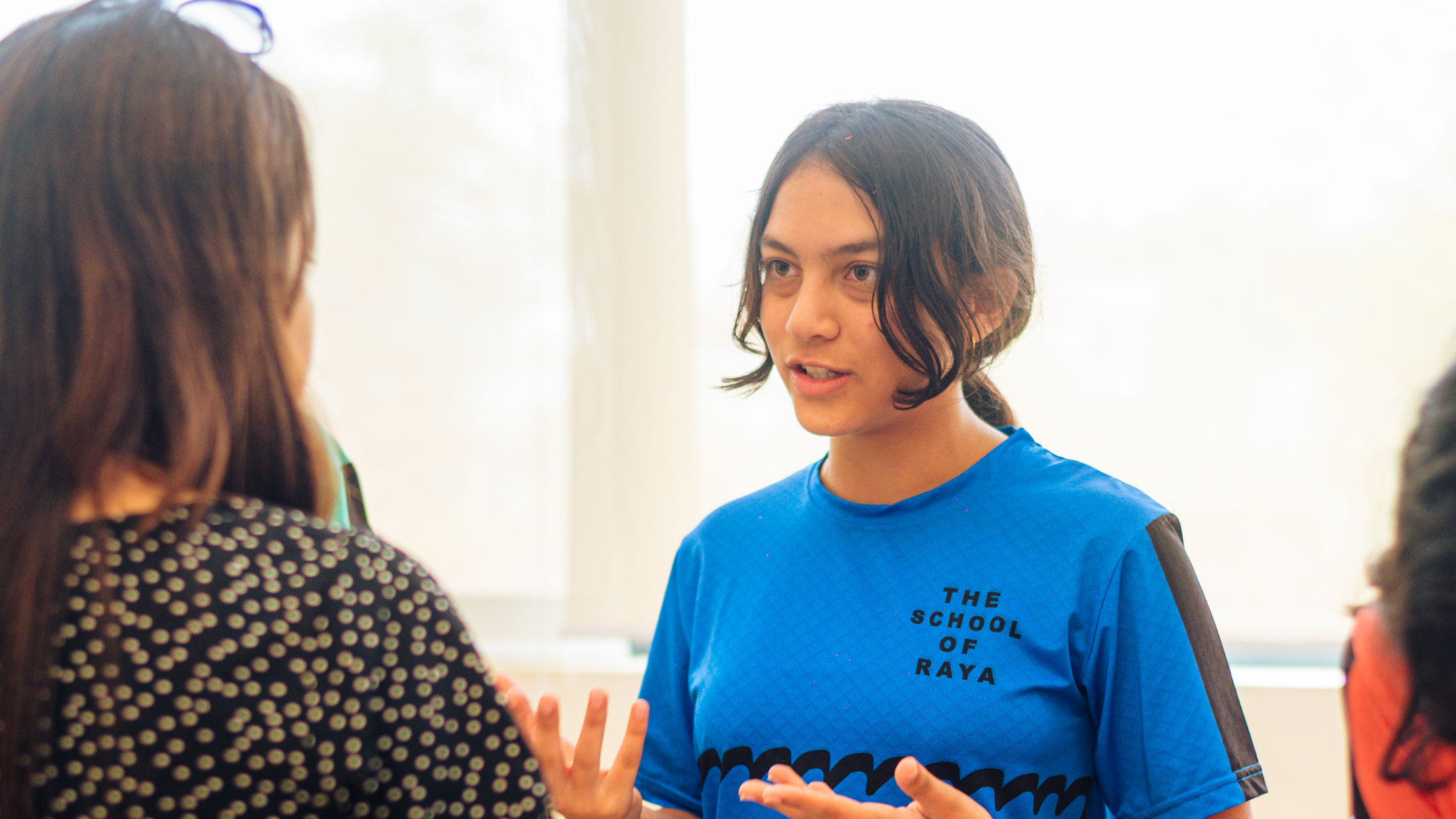
They begin to see why what they are learning matters.
In effect that is the full-circle moment, real world impacts around us impact the ways in which we learn and what we learn, in turn, helps us make better sense of the world around us.